
Flowers
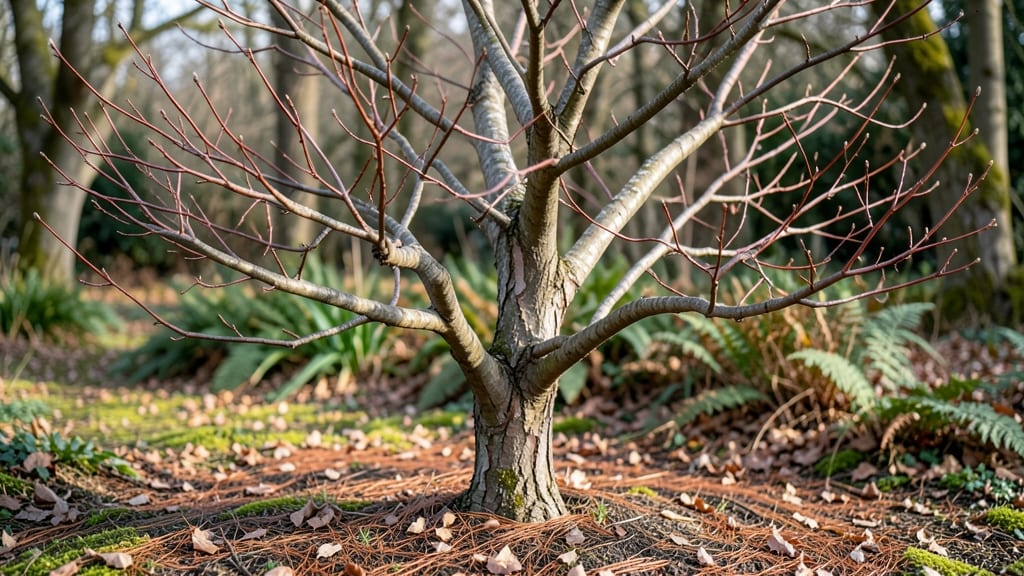
A dogwood tree without flowers still has secrets to reveal—its lush foliage can become the star of your landscape with the right care. 🌿 I’ve seen bare branches transform into vibrant green canopies by addressing hidden issues like light deprivation, nutrient gaps, or even over-pruning.
The key is understanding what your tree truly needs to thrive, even when blooms take a backseat.
The most common culprits are simple but often overlooked: insufficient sunlight (dogwoods need 6+ hours daily), compacted soil cutting off roots, or sudden temperature swings stressing the tree. Pests like borers or diseases like anthracnose can also drain energy meant for flowers.
Start by checking for yellowing leaves, sawdust-like frass, or black fungal spots—each tells a different story about what’s wrong.
With targeted fixes—like aerating heavy soil, applying balanced fertilizer in early spring, or pruning to open the canopy—you’ll see new growth within weeks. The foliage alone becomes a statement piece: deep green, glossy leaves that outshine many flowering trees.
Think of it as trading blooms for year-round elegance that’s easier to maintain.
This approach works for both mature trees struggling to rebound and young dogwoods that never got the right start. The best part? You’ll still have that classic dogwood shape and shade—just with fewer headaches and more consistent beauty. Let’s diagnose yours today.
Root Causes Behind Missing Blooms
Dogwood trees (Cornus florida) are celebrated for their stunning spring flowers, but when they fail to bloom, it’s often due to a mix of environmental, biological, or cultural factors.
Understanding these causes is the first step toward restoring your tree’s floral glory. Below, we break down the most common reasons—backed by science—and what you can do about them.
Dogwoods thrive in partial shade to full sun, but too much shade can stunt flowering. These trees need at least 6 hours of direct sunlight daily—especially in early spring—to trigger blooming.
If your tree is tucked under dense canopy or surrounded by tall structures, it may prioritize leaf growth over flowers.
Why it happens: Flower buds form on one-year-old wood during the previous summer and fall. If the tree doesn’t receive enough light, it diverts energy to foliage instead of reproductive growth. Additionally, low light reduces photosynthesis, limiting the tree’s ability to store carbohydrates needed for bud development.
Actionable fix:
- 🔍 Assess sunlight: Observe your tree’s light exposure from dawn to dusk. Use a light meter (or a phone app) to confirm if it’s getting <6 hours of direct sun.
- 🌿 Thin nearby foliage: Prune overhanging branches from taller trees or shrubs to increase light penetration.
- 🌞 Transplant if needed: If the location is permanently shady, consider relocating the tree to a sunnier spot (best done in late fall or early spring).
Dogwoods are semi-dormant in winter, but extreme cold or late spring frosts can destroy delicate flower buds before they open. Buds are most vulnerable when they’re swollen but not yet open (typically in March–April, depending on your climate zone).
Why it happens: Flower buds form the prior summer and require consistent chilling (30–60 days below 45°F) to break dormancy. If winters are too mild (e.g., <60°F for extended periods), buds may fail to set properly. Additionally, late frosts (<28°F) after buds swell can kill them outright, leaving no flowers.
Actionable fix:
- 🌡️ Monitor bloom timing: Track your local frost dates and choose dogwood varieties bred for your hardiness zone (e.g., Cornus florida ‘Cherokee Brave’ tolerates colder climates better).
- 🌿 Protect buds with frost cloth: If late frosts are common, drape frost fabric over the tree in late winter to shield buds without trapping heat.
- 🌱 Mulch properly: Apply 3–4 inches of mulch around the base (but not touching the trunk) to insulate roots and regulate soil temperature.
Dogwoods are moderately drought-tolerant once established, but consistent water fluctuations—whether from drought or overwatering—can disrupt flowering. Too little water stresses the tree, while too much can lead to root rot or nutrient deficiencies.
Why it happens: Flower bud formation requires balanced moisture and nutrients. During summer and early fall (when buds develop), the tree needs 1–1.5 inches of water per week. If soil dries out or stays soggy, the tree diverts energy to survival rather than reproduction. Additionally, compacted or poorly draining soil limits root access to water and nutrients.
Actionable fix:
- 💧 Water deeply and infrequently: Water at the base of the tree (not the leaves) to a depth of 12–18 inches, especially during bud formation (summer–fall). Use a soaker hose or drip irrigation for consistency.
- 🌱 Improve soil drainage: Amend heavy clay soil with compost or sand to prevent waterlogging. For container-grown dogwoods, ensure pots have drainage holes and use well-draining potting mix.
- 🌿 Mulch to retain moisture: Spread 2–3 inches of organic mulch (e.g., wood chips) around the tree, keeping it 6 inches away from the trunk.
Fungal diseases like anthracnose and powdery mildew, as well as pests like borers or scale insects, can weaken dogwoods to the point where they skip flowering. These issues are more common in humid climates or overcrowded plantings.
Why it happens:
- Anthracnose: Caused by the fungus Gloeosporium, this disease defoliates the tree in spring, starving it of energy needed for bud development. It thrives in wet, cool conditions.
- Pests (e.g., dogwood borers): Larvae bore into the trunk, disrupting vascular flow and nutrient transport. Infested trees often show wilting, dieback, or oozing sap.
- Scale insects: These sap-sucking pests weaken the tree by reducing photosynthesis, leading to poor bud formation.
Actionable fix:
- 🔍 Inspect for symptoms: Look for dark, sunken lesions on leaves/stems (anthracnose), exit holes in bark (borers), or white cottony patches (powdery mildew).
- 🌿 Treat fungal issues: Apply copper fungicide in early spring (before buds swell) to prevent anthracnose. Space treatments every 2–3 weeks during wet periods.
- 🐜 Control pests:
- For borers: Inject the trunk with systemic insecticide (e.g., imidacloprid) in late summer.
- For scale: Blast off pests with a strong water spray or apply horticultural oil in dormant season.
- 🌱 Prune for airflow: Remove dead or crowded branches to improve circulation and reduce humidity around the tree.
Young dogwoods (5–10 years old) may not flower heavily, while over-pruning mature trees can remove next year’s flower buds. Dogwoods bloom on old wood, meaning buds form on last year’s growth—so aggressive pruning in late winter or early spring can remove 80% of potential blooms
Reviving Your Dogwood’s Blooming Glory
A dogwood tree without flowers can feel like a missed spring spectacle, but don’t despair—most issues are fixable with the right care. Below, we’ve mapped out practical solutions tailored to the most common causes, along with prevention tips to keep your tree thriving for years.
Let’s get your dogwood back to its show-stopping best!
1. Insufficient Sunlight: The Light-Loving Tree
Dogwoods (Cornus florida) crave full sun to partial shade (6+ hours of sunlight daily). If your tree is tucked in a shady spot, it may skip flowering entirely.
How to Fix It: ✅ 🔥 Relocate or Prune Overhanging Branches
- Trim nearby trees or shrubs blocking sunlight. Aim for at least 6 hours of direct sun for optimal blooming.
- If relocating isn’t an option, thin out dense foliage above the dogwood to improve light exposure.
✅ 🌡️ Gradually Acclimate to Sun
- If your dogwood is used to deep shade, slowly introduce more sunlight over weeks to avoid leaf scorch.
💡 Prevention Tip:
- Plant dogwoods in south- or west-facing spots where they’ll get morning sun and afternoon light.
2. Over-Fertilizing: Too Much of a Good Thing
Dogwoods are light feeders—excess nitrogen (common in lawn fertilizers) promotes leafy growth at the expense of flowers.
How to Fix It: ✅ 🍳 Stop Fertilizing Immediately
- Avoid high-nitrogen fertilizers (like 30-0-5). Instead, use a balanced, slow-release fertilizer (10-10-10) in early spring—just a light application (½ cup per year for mature trees).
✅ 🥗 Amend Soil with Organic Matter
- Mix compost or well-rotted manure into the top 6 inches of soil to improve nutrient balance without overfeeding.
💡 Prevention Tip:
- Test your soil (DIY kits are affordable) before fertilizing. Dogwoods prefer slightly acidic soil (pH 5.5–6.5)—adjust with sulfur if needed.
3. Wrong Pruning Timing: Missing the Bloom Window
Pruning at the wrong time (late winter/early spring) removes next year’s flower buds before they set.
How to Fix It: ✅ ⏰ Prune After Flowering (Late Spring/Early Summer)
- Wait until after blooms fade (May–June) to prune. This ensures you don’t accidentally trim next year’s flower buds.
- Remove dead, crossing, or weak branches to improve airflow and shape.
✅ 🔪 Avoid Heavy Pruning
- Never cut back more than 25% of the tree in one season. Dogwoods are sensitive to aggressive pruning.
💡 Prevention Tip:
- Mark the blooming season on your calendar and prune 6–8 weeks after flowers drop.
4. Stress from Water Issues: Too Dry or Too Wet
Dogwoods hate drought stress and waterlogged roots. Both can cause the tree to divert energy away from flowering.
How to Fix It: ✅ 💦 Deep Watering (But Not Too Much)
- Water deeply 1–2 times per week (1–1.5 inches per session) during dry spells. Use a soaker hose to avoid wetting leaves (which can cause disease).
- Mulch heavily (3–4 inches of wood chips) to retain moisture and regulate soil temperature.
✅ 🌧️ Improve Drainage if Needed
- If your soil stays soggy, raise the planting bed slightly or amend with sand/perlite to improve drainage.
💡 Prevention Tip:
- Group dogwoods with other moisture-loving plants (like hydrangeas) to create a microclimate that retains humidity.
5. Pest or Disease Damage: Hidden Thieves of Blooms
Pests like borers, scale, or spider mites and diseases (anthracnose, powdery mildew) weaken trees, reducing flowering.
How to Fix It: ✅ 🛡️ Inspect & Treat Pests
- Handpick large pests (like scale) or spray with neem oil (follow label instructions).
- For borers, apply beneficial nematodes or insecticidal soap in early spring.
✅ 🌡️ Prevent Fungal Diseases
- Remove fallen leaves (where fungi overwinter) and prune for airflow.
- Apply copper fungicide in early spring if your area has a history of anthracnose.
💡 Prevention Tip:
- Plant disease-resistant varieties like Cornus florida ‘Cherokee Brave’ or ‘Rubra’ for fewer issues.
6. Age or Variety Factors: Not All Dogwoods Bloom the Same
Young trees (<3–5 years) or ornamental varieties (like Cornus kousa) may bloom less predictably.
How to Fix It: ✅ 🌿 Be Patient with Young Trees
- Dogwoods often take 3–5 years to mature and bloom reliably. Focus on healthy growth first.
✅ 🌸 Choose the Right Cultivar
- If you want guaranteed blooms, opt for reliable bloomers like:
- Cornus florida ‘Cloud 9’ (double pink blooms)
- Cornus kousa ‘Milky Way’ (fragrant white flowers)
💡 Prevention Tip:
- Research your dogwood’s variety before planting—some are bred for foliage over flowers!
- 🌿 Mulch Like a Pro: Keep mulch 3–4 inches deep but 6 inches away from the trunk to prevent rot.
- 🍃 Avoid Herbicides: Dogwoods are sensitive to weed killers—use vinegar-based sprays or hand-pull weeds instead.
- 📅 Bloom Tracker: Note when your dogwood flowers each year—late bloomers (like Cornus kousa) may need slightly different care.
With these fixes, your dogwood should be back to its blooming best in 1–2 seasons. And remember—even if flowers are sparse, a healthy dogwood’s lush foliage and striking bark make it a year-round star! 🌸✨
Frequently asked questions
Why does my mature dogwood tree refuse to flower after years of blooming?
Mature dogwoods often skip flowering due to environmental stress or hidden damage. Check for compromised roots (from construction or heavy foot traffic), compacted soil (limiting nutrient uptake), or disease like anthracnose. If the tree is otherwise healthy but just stopped blooming, it may be overdue for pruning—thin out crowded branches to improve airflow and light penetration.
Can I force a dogwood to bloom if it’s not getting enough sunlight?
Dogwoods need 6+ hours of sunlight daily to set flower buds. If your tree is in deep shade, try relocating it to a sunnier spot (best in late fall or early spring) or prune nearby trees to increase light exposure. Avoid sudden exposure—gradually acclimate it over 2–3 weeks to prevent leaf scorch.
What’s the difference between a dogwood with no flowers and one with sparse blooms?
A complete absence of flowers usually signals severe stress (disease, pests, or root damage), while sparse blooms often mean mild nutrient deficiencies or light limitations. Check for yellowing leaves (nutrient issues), black spots (fungal disease), or exit holes in bark (borers). Adjust care based on what you find!
Will fertilizing my dogwood help it bloom more?
Dogwoods are light feeders—too much fertilizer (especially high-nitrogen) promotes leafy growth at the expense of flowers. Use a balanced, slow-release fertilizer (10-10-10) in early spring, but only ½ cup per year for mature trees. Focus on soil health first—amend with compost and ensure proper drainage.
Is it normal for a young dogwood (under 5 years old) to have no flowers?
Yes! Most dogwoods take 3–5 years to mature enough for reliable blooming. Prioritize healthy growth by ensuring 6+ hours of sunlight, consistent moisture, and proper pruning. If the tree is otherwise thriving, blooms will follow—patience is key!