
Flowers
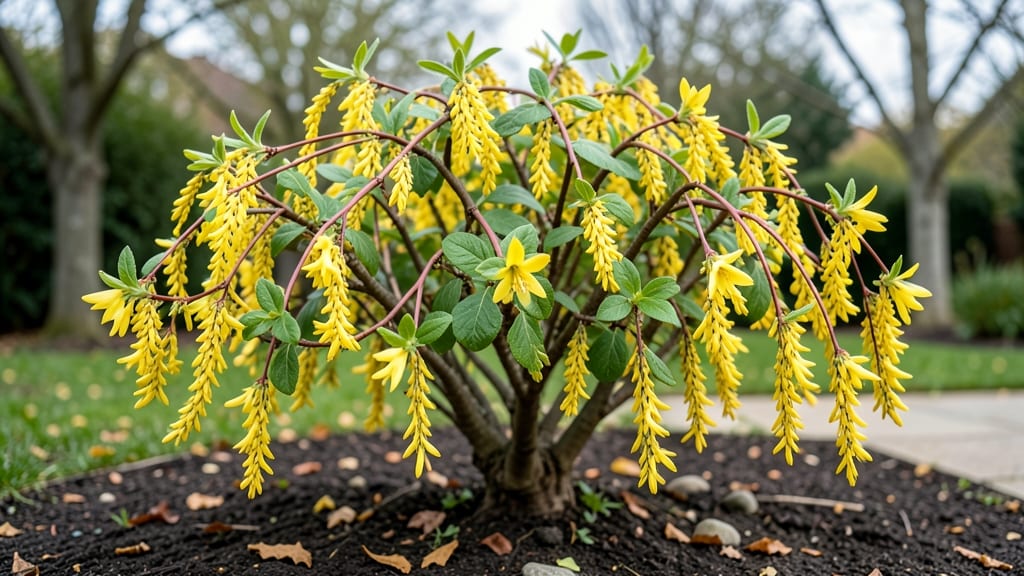
Trees with green leaves and white flowers transform any garden into a serene, year-round masterpiece. 🌿 I’ve designed landscapes where these trees become the stars—whether as dramatic focal points or graceful borders. Their elegant blooms stand out against lush foliage, creating a timeless, romantic look that never fades.
The secret lies in placement and pairing. A magnolia near a patio offers fragrant shade, while a dogwood anchors a woodland garden with its arching branches. For maximum impact, group them with spring bulbs or evergreen shrubs to extend the show across seasons.
Even in small yards, a single specimen makes a statement. You’ll love how these trees age gracefully, their white blossoms contrasting beautifully with maturing leaves. The right variety thrives in your climate, ensuring decades of effortless beauty. Let’s find the perfect one for your garden’s vision.
These trees aren’t just pretty—they’re low-maintenance powerhouses. Once established, they handle drought, pests, and seasonal shifts with ease. Their white flowers attract pollinators while keeping a refined, classic aesthetic. Whether you prefer early spring blooms or summer-long displays, there’s a perfect match.
For best results, plant them where their height and spread can be appreciated—near walkways, patios, or as a centerpiece in a mixed border. Pair with ferns, hostas, or boxwoods to create layers of texture and color. The payoff?
A garden that feels like a curated art gallery, not just a yard.
Seasonal timing matters, too. Some varieties bloom in spring, while others offer summer or even fall flowers. Prune lightly after blooming to encourage fuller growth, and watch as your garden becomes a haven of whimsical elegance. The right tree turns any space into a tranquil retreat.
Understanding The Flowering Mystery
If your tree with lush green leaves and delicate white flowers isn’t blooming as expected—or at all—it’s often due to a mix of environmental, biological, or even human-related factors.
While these trees are prized for their year-round charm, their flowering habits can be influenced by subtle (or not-so-subtle) changes in their care. Let’s break down the science behind why your tree might be holding back its floral display.
White-flowering trees, like the Hibiscus syriacus (commonly known as rose of Sharon) or Cercis canadensis (eastern redbud), thrive on a balanced diet. But when nutrients are out of whack, flowering can take a hit.
- ❌ Nitrogen Overload: Too much nitrogen (often from over-fertilizing) promotes leafy growth at the expense of flowers. Think of it like a bodybuilder who gains muscle but never gets toned—all bulk, no bloom. Test your soil (pH 6.0–7.0 is ideal) and opt for a balanced, low-nitrogen fertilizer (e.g., 10-10-10 or 5-10-10) in early spring.
- ❌ Phosphorus Deficiency: Phosphorus is the "flower power" nutrient. Without enough, your tree may produce stunted buds or no flowers at all. Look for yellowing leaves with purple stems—a classic sign. Apply a bone meal or phosphorus-rich fertilizer in late winter to encourage bud formation.
- ❌ Potassium Shortage: Weak buds or poor disease resistance? Potassium deficiency can cause delayed or sparse flowering. Weak stems or scorch marks on leaf edges are red flags. Use a potassium sulfate supplement or compost rich in wood ash.
💡 Pro Tip: Avoid synthetic fertilizers high in nitrogen (like lawn fertilizers). Instead, use organic amendments like compost, worm castings, or fish emulsion for a slower, more balanced release.
Many white-flowering trees are temperature-sensitive and rely on specific seasonal cues to bloom. Get the timing wrong, and your tree might skip its floral show entirely.
- ❌ Wrong Dormancy Period: Some trees (like Prunus serrulata, or Japanese cherry) need a period of cold (chilling hours) to break dormancy and trigger flowering. If winters are too mild, buds may not develop. Check your local hardiness zone—some varieties need 500–1,000 chilling hours below 45°F (7°C).
- ❌ Late or Early Pruning: Pruning at the wrong time can remove next year’s flower buds. For example:
- Spring bloomers (e.g., redbud): Prune immediately after flowering to avoid cutting off summer buds.
- Summer/fall bloomers (e.g., rose of Sharon): Prune in late winter or early spring before new growth starts.
- ❌ Heat Stress: Extended heatwaves (above 90°F/32°C) can cause buds to drop prematurely or fail to open. Provide afternoon shade or mulch the root zone to keep soil cool.
🌡️ Actionable Fix: If your area lacks cold winters, choose heat-tolerant varieties like Cercis canadensis ‘Forest Pansy’ or Hibiscus syriacus ‘Diana’. For existing trees, simulate chilling by lightly misting branches with water in late summer to mimic dew (helps some species).
Water is the lifeblood of flowering, but too much or too little can sabotage your tree’s bloom potential. White-flowering trees often struggle with root stress, which directly impacts flower production.
- ❌ Underwatering: Drought stress causes bud abortion (buds drop before opening). Signs include crispy leaf edges, wilting, or leaf drop. Most flowering trees need 1–1.5 inches of water per week (deep watering 2–3 times weekly, not frequent shallow watering).
- ❌ Overwatering: Soggy soil leads to root rot, which starves the tree of nutrients and energy needed for flowers. Yellowing leaves, moldy soil, or a foul smell are warning signs. Ensure well-draining soil and avoid watering on a schedule—check soil moisture 2 inches down before watering.
- ❌ Inconsistent Moisture: Fluctuating water levels (e.g., heavy watering followed by drought) confuse the tree’s growth cycle. Mulch with 2–4 inches of organic mulch (wood chips, straw) to retain moisture and regulate temperature.
💧 Quick Test: Dig 2 inches into the soil—if it’s dry, water deeply. If it’s damp, wait. Drip irrigation or soaker hoses deliver water slowly and evenly, reducing stress.
White-flowering trees often need specific light conditions to trigger blooming. Placing them in the wrong spot can result in leggy growth or no flowers.
- ❌ Too Much Shade: Trees like Fothergilla gardenii (witch alder) or Deutzia need full sun (6+ hours/day) to produce flowers. In shade, they may grow tall and leafy but flower poorly. Thin nearby trees or relocate if possible.
- ❌ Too Much Harsh Sun: Some varieties (e.g., Magnolia stellata) prefer partial shade to prevent leaf scorch. If leaves look bleached or crispy, provide afternoon shade with a sheer curtain or lattice screen.
- ❌ Urban Pollution or Reflection: Heat-reflective surfaces (concrete, pavement) can bake roots, while air pollution weakens buds. If your tree is in a city, plant near a windbreak or use mycorrhizal fungi to boost root health.
🌞 Light Hack: If your tree is in a suboptimal spot, supplement with grow lights (12–14 hours/day in winter) to mimic natural daylight and encourage bud formation.
Hidden invaders can steal nutrients or damage buds before they open. Common culprits include:
- 🐜 Aphids/Scale Insects: These sap-suckers
Revive Your Blooming Beauty
Turn your tree with lush green leaves and delicate white flowers into a thriving garden star with these practical solutions. Whether your plant is struggling due to environmental stress, pests, or poor care, these fixes will help it bounce back—fast.
Signs: Yellowing leaves, soggy soil, or roots sitting in water. Solution:
- 🔥 Stop Watering Immediately – Let the top 2–3 inches of soil dry out before watering again.
- 🍳 Improve Drainage – Mix in perlite, sand, or coconut coir to aerate heavy soil. If potted, add a layer of gravel or broken pottery at the bottom.
- 👨🍳 Repot if Needed – If roots are rotting, trim the damaged ones with sterilized scissors and repot in fresh, well-draining soil.
Prevention Tip: 💡 Use a moisture meter or the "finger test" to check soil dryness before watering.
Signs: Leggy growth, pale leaves, or flowers not opening properly. Solution:
- 🌡️ Move to Bright, Indirect Light – Most white-flowering trees thrive in morning sun or dappled shade. Avoid harsh afternoon rays.
- 🎯 Rotate the Pot – If indoors, turn the plant weekly to ensure even light exposure.
- ✨ Supplement with Grow Lights – If natural light is lacking, use a full-spectrum LED grow light for 12–14 hours daily.
Prevention Tip: 🌿 Observe your tree’s natural habits—if leaves scorch or wilt, it’s getting too much sun.
Signs: White spots, sticky residue, or holes in leaves. Solution:
- 🔪 Spray with Neem Oil – Mix 1 tsp neem oil + 1 tsp mild soap in 1 quart of water. Spray leaves thoroughly (repeat weekly).
- 🍎 Remove Infested Parts – Prune and dispose of heavily damaged leaves or flowers to prevent spread.
- 💪 Boost Immunity – Feed with a balanced fertilizer (like 10-10-10) to strengthen growth.
Prevention Tip: 🌡️ Inspect new plants before bringing them home—quarantine for a week to spot pests early.
Signs: Slow growth, weak stems, or flowers dropping prematurely. Solution: - 📊 Test Soil pH – Aim for 6.0–7.0. Adjust with lime (to raise pH) or sulfur (to lower it). - 🍽️ Feed Regularly – Use a slow-release granular fertilizer in spring/summer.
For a quick boost, dilute fish emulsion (1 tbsp/gallon of water) monthly. - 🥗 Avoid Over-Fertilizing – Too much nitrogen = fewer flowers. Follow package instructions precisely.
Prevention Tip: 🌱 Mulch with compost or bark to retain moisture and nutrients naturally.
Signs: Drooping leaves, bud failure, or stunted blooms. Solution:
- 🌡️ Protect from Cold Drafts – Move potted trees indoors or wrap the pot in bubble wrap if temperatures drop below 40°F.
- 🌿 Water Deeply in Heatwaves – Early morning watering reduces evaporation.
- 🎯 Prune for Airflow – Trim dense branches to improve circulation and reduce humidity-related issues.
Prevention Tip: 🌳 Group plants with similar water needs to create a microclimate that stabilizes conditions.
Final Pro Tip: 🌟 Keep a care journal! Track watering, light changes, and blooming patterns to spot trends and adjust faster next time.
With these fixes, your tree’s green leaves and white flowers will flourish year-round—like a secret garden oasis! 🌸✨
Frequently asked questions
Which trees with green leaves and white flowers bloom the longest?
For extended blooms, try magnolias (like Magnolia stellata) or crabapples (e.g., Malus 'Royalty'). These varieties often produce flowers for 3-4 weeks in spring, with some reblooming in summer. Pair them with deutzia or spirea for continuous color—these shrubs extend the flowering season even further.
Can I grow these trees in containers?
Smaller varieties like dwarf cherry blossoms (Prunus 'Snowgoose') or Japanese snowbell (Styrax japonicus) thrive in 15-20 gallon pots. Use well-draining potting mix and ensure the container has drainage holes. Move containers to a sheltered spot in winter if temperatures drop below 20°F (-7°C)—these trees appreciate protection from harsh winds.
What's the best way to enhance their white flowers in garden design?
Create contrast by planting them near deep green foliage (like boxwood or holly) or purple-leaved plants (such as Heuchera). For height, pair with evergreen shrubs (e.g., Pittosporum) to frame their blooms. Add spring bulbs (like daffodils) at their base to extend the seasonal interest before the tree's foliage fills in.
Are there fragrant white-flowering trees?
Yes! Magnolias (especially Magnolia 'Anniversary') and Japanese cherry (Prunus serrulata) offer sweet, intoxicating scents. For a more subtle fragrance, try fothergilla (Fothergilla gardenii), whose white blooms have a delicate, honey-like aroma. Plant these near patios or seating areas to enjoy their natural perfume.
How do I prevent pests from damaging white flowers?
Start with neem oil spray (mix 1 tsp neem oil + 1 tsp mild soap in 1 quart water) to deter aphids and scale insects. Prune affected branches immediately and dispose of them in sealed bags. For prevention, apply compost tea monthly to boost the tree's natural defenses—healthy trees resist pests better than stressed ones.