
Pruning
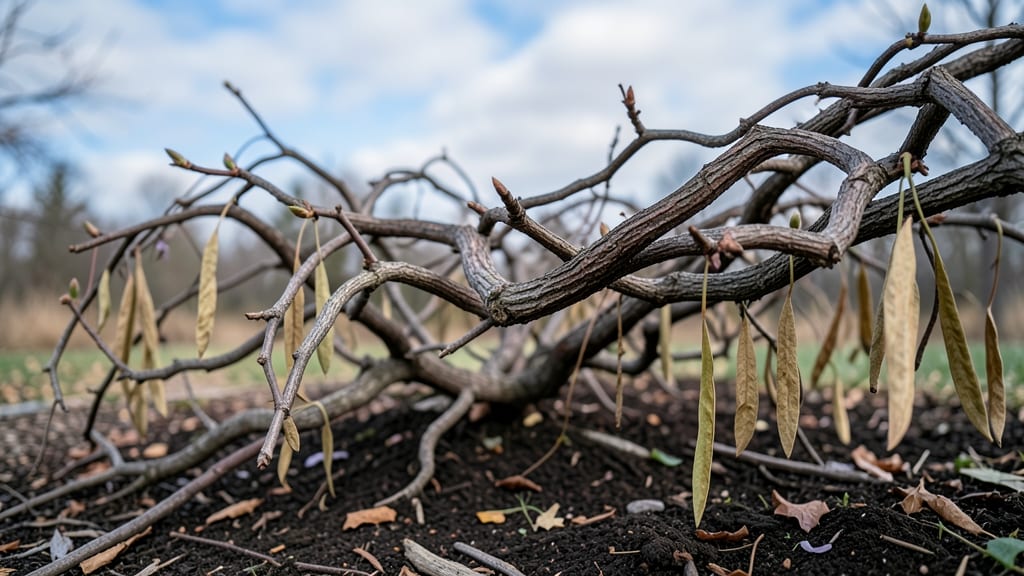
Winter is the secret weapon for wisteria trees—when you prune now, you set the stage for showstopping spring blooms. 🌿 I’ve pruned wisteria in winter for years, and the difference in growth is night-and-day compared to summer cuts.
The key? Timing, technique, and understanding how dormancy works in your favor.
Most gardeners wait until spring, but winter pruning gives you a clear view of the branches and lets you shape the tree before new growth starts. You’ll need sharp pruners, rubbing alcohol for sterilizing cuts, and a ladder if your wisteria is tall.
The goal is to remove 1/3 of last year’s growth—no more, no less—to encourage strong, blooming stems.
By the time spring arrives, you’ll see new shoots emerging within 2-3 weeks of pruning, with blooms appearing even earlier than before. The tree’s energy goes into vigorous growth, not repairing damaged branches. Plus, winter pruning reduces the risk of fungal diseases that thrive in summer’s humidity.
This method works for all wisteria varieties, whether you’re dealing with a sprawling vine or a compact tree form. Just adjust your timing based on your climate—wait until after the first hard frost but before late winter when buds begin to swell. Ready to transform your wisteria’s future?
📚 In This Guide
- What you need
- Instructions
- Tips and common mistakes
- Wrapping up and next steps
What you need
- ● Pruning saw – A bypass pruning saw with a 10-12" blade (for thicker branches, 1"–2" in diameter).
- ● Hand pruners – Bypass pruners (not anvil-type) for smaller branches (under ½" thick). Sharpness is key!
- ● Loppers – Bypass loppers for medium branches (½"–1½" diameter). Look for a 12"-18" reach.
- ● Gloves – Heavy-duty, cut-resistant gloves (like those rated for gardening or chainsaw use).
- ● Safety glasses – Protect your eyes from debris (even small twigs can sting!).
- ○ Pruning sealant – Optional but helpful: A wound dressing (like Tanglefoot Tree Wound Pruning Sealer) for cuts larger than ½".
- ● Disinfectant – Rubbing alcohol (70%+) or a pruning spray (e.g., 1 part bleach to 9 parts water) to sterilize tools between cuts.
- ● Ladder or step stool – A stable, extendable ladder (4'-8' tall, depending on tree height) or a step stool for lower branches.
- ● Heavy-duty trash bags – For collecting pruned branches (10–20 gallons, depending on tree size).
- ● Notebook & pen – To sketch a simple pruning map of cuts made (helps track progress!).
- ● Timing: Prune on a dry, frost-free day (ideal temps: 40°F–60°F). Avoid pruning after rain or during freezing temps.
- ● Weather: Choose a calm, windless day to prevent branches from snapping unexpectedly.
- ● Tree health check: Ensure your wisteria is dormant (no buds swelling) and free of disease (look for black spots or oozing sap).
- ● Safety first: Wear closed-toe shoes and avoid pruning near power lines or in slippery conditions.
Instructions for pruning wisteria in winter
Here's how I approach winter pruning to encourage lush blooms and manageable growth next season.
✂️ Step 1: Time Your Prune for Dormancy
Prune wisteria in late winter, just as buds begin to swell but before new growth starts—typically February or March in most climates. This timing balances the need to remove dead wood while preserving next year's flower buds, which form on old wood. I wait until temperatures stay above 40°F for a few days to avoid shocking the plant.
Look for brown, brittle branches that snap easily when bent—these are dead and should be removed completely. Healthy branches will bend slightly before breaking. Avoid pruning on windy days; the sap flow can stress the plant further.
✂️ Step 2: Remove Dead and Weak Growth First
Start by cutting out any branches that are dead, diseased, or crossing—these compete with healthy growth and invite pests. Use clean, sharp pruners to make cuts at a 45-degree angle, about ¼ inch above a bud or lateral branch. I always sterilize my tools with rubbing alcohol between cuts to prevent spreading disease.
Next, thin out crowded branches to improve airflow. Wisteria grows aggressively, and thick clusters lead to fewer flowers and more fungal issues. Aim to space branches 6-12 inches apart along the main stem. You'll see a difference in sunlight penetration and bud development next spring.
✂️ Step 3: Shape the Tree for Balance
Step back and assess the tree's structure. Wisteria naturally grows long, arching branches, so I focus on maintaining that shape while preventing overcrowding. Cut back the longest branches by one-third to encourage bushier growth. For vertical stems, trim the top to promote lateral branching.
Here's the thing—wisteria blooms on old wood, so avoid heavy pruning of established branches. Instead, focus on selective thinning and shaping. You'll know you've done it right when the tree looks open in the center and has a natural, balanced silhouette.
✂️ Step 4: Clean Up and Protect the Tree
After pruning, collect all cuttings and dispose of them in the trash—not your compost pile. Wisteria cuttings can root easily, and you don’t want them sprouting where you don’t want them. I also apply a 2-inch layer of mulch around the base to protect roots from freezing temperatures.
Finally, give the tree a light watering if the ground isn't saturated. This helps the plant recover from the stress of pruning. Avoid fertilizing at this time—wisteria needs to rest before new growth begins. You'll see fresh, vibrant buds forming in early spring as a sign you've done it right.
Tips & tricks for pruning wisteria in winter
Winter pruning is your secret weapon for a stunning wisteria display next spring. Here's what I've learned through years of trial and error to make the process smoother and more effective.
Timing is Everything: The February-March window is crucial because wisteria blooms on old wood. I've made the mistake of pruning too early when buds weren't swollen enough, which meant sacrificing potential flowers. Look for those first signs of bud swelling—it's your cue to start. And remember, the 40°F minimum temperature guideline isn't just arbitrary; it prevents shock that could stress the plant during its dormant period.
Tool Preparation Matters: I can't stress enough how important it is to sterilize your pruners between cuts in Step 2. I used to skip this, and my wisteria would develop fungal issues. Rubbing alcohol works perfectly—just wipe down blades after each cut. Also, make sure your pruners are sharp; dull blades crush stems instead of making clean cuts, which can damage the plant's ability to heal properly.
Visual Cues for Pruning Success: When thinning branches in Step 2, aim for that "open vase" shape when viewed from above. You'll know you're doing it right when you can see sunlight reaching the center of the tree. For the one-third reduction in Step 3, visualize cutting back to where you can still see the natural arching shape of wisteria branches. This maintains its signature graceful form while promoting bushier growth.
Post-Pruning Care: That 2-inch layer of mulch in Step 4 isn't just decorative—it's insulation. I've seen wisteria roots freeze when I skipped this step during particularly cold winters. And while it might seem counterintuitive, that light watering after pruning helps the tree recover by replenishing moisture lost during cutting. Just don't overdo it—wisteria needs to rest, not get waterlogged.
Pro Tips for Wisteria Tree In Winter
- Winter pruning is your secret weapon for a stunning wisteria display next spring.
- Timing is Everything: The February-March window is crucial because wisteria blooms on old wood.
- Tool Preparation Matters: I can't stress enough how important it is to sterilize your pruners between cuts in Step 2.
Frequently asked questions
about wisteria trees in winter—because even dormant beauty needs a little TLC! Here’s what you’ve been wondering:When is the best time to prune wisteria in winter?
Prune wisteria after the first hard frost but before new growth starts—typically late winter (January–February in most climates). This timing helps prevent disease spread and encourages robust spring blooms. Avoid pruning in freezing temps or during active growth periods.
What if my wisteria hasn’t lost all its leaves yet?
No stress! Wisteria sheds leaves gradually. Wait until 90% of foliage is gone to prune—this signals dormancy. If leaves linger, cold snaps will handle the rest. Just avoid cutting into green stems, as they may still be vulnerable to frost damage.
Can I prune wisteria too aggressively in winter?
Yes—over-pruning in winter can weaken the plant by removing too many energy reserves. Aim to cut back only dead, diseased, or crossing branches, and never reduce more than 1/3 of the plant’s total growth. Think “light edit,” not “haircut.”
What if my wisteria doesn’t bloom well after winter pruning?
Bloom issues often stem from pruning at the wrong time (too early or late) or not enough sunlight. Ensure your tree gets 6+ hours of sun and prune old wood (last year’s growth) to encourage flower buds. If blooms are sparse, feed with balanced fertilizer in early spring.
How do I protect wisteria from winter damage?
Wisteria is hardy, but young trees or harsh winters need help. Mulch the base (3–4 inches) with shredded bark, and wrap trunks in burlap if temps drop below 10°F (-12°C). Avoid heavy snow buildup—gently brush it off to prevent branch breakage.
Wrapping up and next steps
Winter is the perfect time to give your wisteria tree the care it needs to bloom spectacularly in spring! By pruning dormant branches, removing dead wood, and shaping with precision, you’re setting the stage for healthier, more vibrant growth.
Remember, patience and consistency are key—your efforts will pay off in stunning cascades of blossoms.
Ready to transform your wisteria? Grab your pruners and start today! For extra confidence, watch a step-by-step video guide or join a local gardening forum to share your progress. Happy pruning! 🌿✨