
Pruning
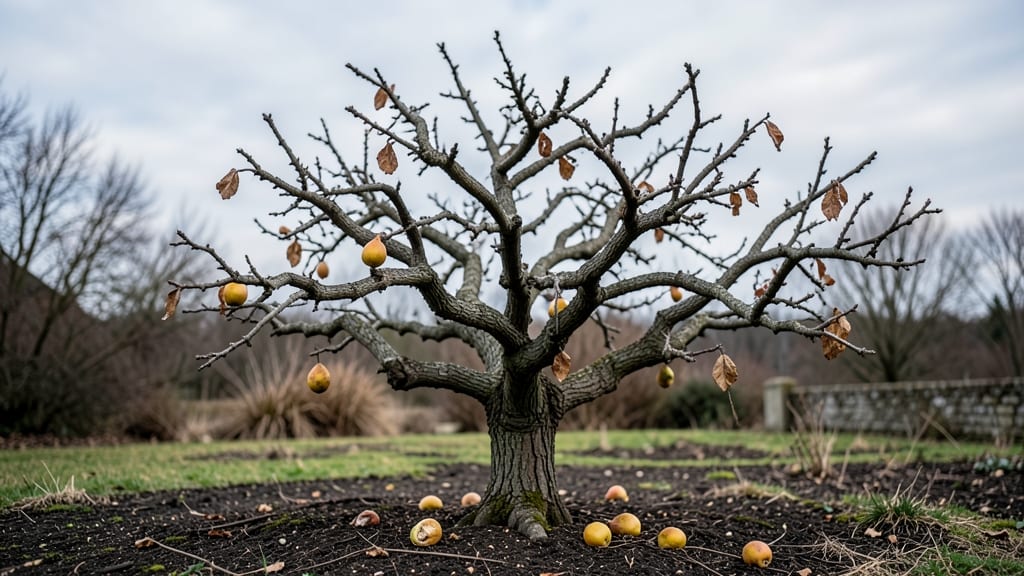
Winter pruning your quince tree is the secret to spring blooms that put on a show. ✨ The dormant season is the perfect time to shape your tree while it’s resting, and I’ve learned a few tricks after years of watching my quince go from scraggly to spectacular.
The key is working when the tree’s energy is low but still visible—just after the ground freezes but before the deep chill sets in.
You’ll need sharp pruning shears, rubbing alcohol for sterilizing cuts, and a clear day with temps above 20°F to avoid shocking the wood. I always start by removing dead or crossing branches first, then thin out the center to let light reach the core.
Quince trees respond well to this kind of winter haircut, and you’ll see fresh, vibrant growth by early spring.
The payoff comes in June when your tree bursts into fragrant white blossoms and heavy fruit sets. Proper winter pruning also prevents disease by improving airflow, which is especially important for quince trees that can suffer from fungal issues in damp climates.
Just avoid heavy pruning if you’re in a region with harsh winters—too much stress can weaken the tree’s resilience.
This method works for both young trees and mature quince, though older trees may need a gentler approach. If you’re in Zone 5 or colder, wait until late winter to prune—early cuts can expose tender wood to frost damage.
Grab your shears and let’s get that quince ready for its spring comeback!
📚 In This Guide
- What you need
- Instructions
- Tips and common mistakes
- Wrapping up and next steps
What you need
- ● Pruning shears: Bypass pruners (sharp, clean, and disinfected with rubbing alcohol or bleach). Size: 6–8 inches for small branches.
- ● Loppers: For thicker branches (½–1½ inches in diameter). Quantity: 1 pair.
- ● Pruning saw: For branches thicker than 1½ inches. Type: Curved-tooth saw for clean cuts.
- ● Rubbing alcohol (70% or higher): 1 small bottle to disinfect tools between cuts.
- ● Gloves: Heavy-duty, cut-resistant gloves (e.g., leather or Kevlar). Quantity: 1 pair.
- ○ Twine or zip ties: For securing branches during pruning (optional but helpful for large cuts).
- ● Marking twine or paint: To tag branches for removal (e.g., white garden paint or colored twine).
- ● Ladder or step stool: If your tree is taller than 6 feet. Safety note: Use a stable ladder with a harness if needed.
- ● Wheelbarrow or tarp: For collecting pruned branches and debris.
- ● Pruning sealant: (e.g., tree wound paint) to coat large cuts and prevent disease.
- ● Hand saw: For emergency cuts if loppers aren’t up to the task.
- ● Pruning rope: To support heavy branches temporarily.
- ● Camera or sketchbook: To document your pruning plan before making cuts.
How to prune a quince tree in winter for healthier growth
Winter’s the perfect time to shape your quince—when the tree’s dormant, you’ll see its structure clearly and encourage stronger blooms next spring.
✂️ Step 1: Gather Your Tools and Safety Gear
Start by sharpening your pruning shears—dull blades tear bark and invite disease. I like to use bypass pruners for clean cuts on branches up to ½ inch thick, and a pruning saw for anything thicker. Wear gloves (quince thorns are vicious!) and long sleeves to protect against scratches and sap burns.
Disinfect your tools with rubbing alcohol before you begin—this prevents spreading any fungal spores hiding in the crevices. Quince trees are tough, but they’re not immune to infections like fire blight or silver leaf. A quick wipe-down keeps everything healthy.
✂️ Step 2: Remove Dead, Diseased, or Damaged Wood
Scan the tree for dead branches—they’ll be brittle, snap easily, and have no green bark underneath. Cut these back to the main trunk at a 45-degree angle, leaving a smooth surface. Diseased wood often looks blackened, oozing, or moldy, so snip those out immediately and dispose of them in the trash (not your compost!).
Look for crossing branches or those rubbing together—they’ll create wounds where pests love to hide. Remove the smaller of the two, cutting just outside the branch collar (the swollen area where the branch meets the trunk). This helps the tree heal faster.
✂️ Step 3: Thin Out the Canopy for Better Airflow
Quince trees bloom best when light and air circulate freely. Focus on removing 10-20% of the canopy—this opens up the center and reduces humidity, which prevents fungal diseases. Start at the outer edges and work inward, cutting back branches that are growing inward or downward.
Watch for suckers (shoots growing from the base or roots) and water sprouts (fast-growing vertical shoots). These steal energy from fruit production, so cut them off at the base with a clean slice. If a branch is too thick for shears, use your pruning saw and make the cut just above a bud or lateral branch.
☀️ Step 4: Shape the Tree for Balance and Fruit Production
Step back and study the tree’s shape—you want a rounded, open center that lets sunlight reach all branches. Prune to encourage new growth on the outer third of the tree, where fruit forms. Avoid cutting back more than ⅓ of the branch length in one season, or you’ll shock the tree.
Pay attention to fruit spurs (short, stubby branches where quinces grow). These are your goldmine—never prune them off entirely. Instead, trim back any overly long or crowded spurs to 3-4 buds to encourage smaller, sweeter fruit. Quince trees reward precision!
⏰ Step 5: Clean Up and Apply Wound Protection
After pruning, rake up all the debris and dispose of it—this removes hiding spots for pests and diseases. For larger cuts (½ inch or wider), apply pruning sealant to prevent moisture loss and infection. Smaller cuts don’t need sealant; they’ll heal naturally with the tree’s resin.
Water the base of the tree deeply but avoid soaking the roots—quince trees prefer well-draining soil. Mulch with 2-3 inches of organic mulch (like wood chips) to retain moisture and protect roots from winter temperature swings. This is your last step before winter sets in!
Tips & tricks for perfect quince tree winter pruning
Winter pruning transforms your quince tree—here’s how to do it right without stress.
Tool Prep: I learned this the hard way after ruining three batches of pruning—always disinfect your tools with rubbing alcohol before you start. The winter air might feel dry, but fungal spores love hiding in crevices, and quince trees are particularly vulnerable to fire blight. A quick wipe-down with 70% isopropyl alcohol between cuts prevents cross-contamination. For stubborn sap buildup, use a small brush to scrub between the blades.
Branch Identification: When scanning for dead branches in Step 2, look for three key signs: no green bark underneath, a hollow sound when tapped, and branches that snap easily. Pro tip: Cut these back to the main trunk at a 45-degree angle—this creates a natural water-shedding surface that prevents water from pooling and causing rot. The angle should be just outside the branch collar, not inside it, to preserve the tree's natural healing mechanisms.
Canopy Thinning Strategy: The 10-20% canopy reduction in Step 3 might sound vague, but here's how to visualize it: Imagine your tree as a clock face. Start by removing branches that grow inward toward the center (like the 12 o'clock position) and any that grow downward (like the 6 o'clock position). This creates that perfect rounded shape while maximizing sunlight exposure. Remember, you're not just pruning for aesthetics—you're creating an environment where air circulates freely, which dramatically reduces fungal diseases.
Fruit Spur Care: Those fruit spurs are your quince tree's treasure chest—never cut them off completely. When trimming overly long spurs in Step 4, aim to leave them at 3-4 buds. This encourages the tree to produce smaller, more flavorful fruit next season. I've seen trees with spurs trimmed to just 1-2 buds produce bitter, undersized quinces. Think of it like giving your tree a haircut—you want to shape it, not shave it bald!
Pro Tips for Quince Tree In Winter
- Winter pruning transforms your quince tree—here’s how to do it right without stress.
- Tool Prep: I learned this the hard way after ruining three batches of pruning—always disinfect your tools with rubbing alcohol before you start.
- Branch Identification: When scanning for dead branches in Step 2, look for three key signs: no green bark underneath, a hollow sound when tapped, and branches that snap easily.
Frequently asked questions
Got questions about keeping your quince tree thriving through winter? You’re not alone! Here are some of the most common concerns—and practical answers—to help you prune with confidence.
When is the best time to prune a quince tree in winter?
Prune your quince tree during its dormant season—typically between late winter (just after the worst frost) and early spring, before new growth begins. Aim for February to March in most climates. This timing minimizes stress and disease risk while encouraging vigorous spring regrowth. Pro tip: Avoid pruning in extreme cold or wet conditions.
Can I prune a quince tree if it’s still covered in snow or ice?
Nope! Wait until the ground thaws and the tree is completely dry. Pruning in icy or snowy conditions can damage branches and invite fungal infections. If you’re in a harsh winter zone, prioritize pruning after the last hard frost when the soil is workable. Patience pays off for a healthier tree! Quick fix: Use a tarp to protect cuts if rain is forecasted.
How do I know if I’m over-pruning my quince tree?
Over-pruning shows up as stunted growth, sparse foliage, or weak branches the following spring. A good rule of thumb: Never remove more than 25-30% of the tree’s canopy in one season. Quince trees are resilient, but drastic cuts can stress them. Focus on shaping and removing deadwood—not aggressive thinning.
Will pruning in winter affect my quince tree’s fruit production next year?
Not if done correctly! Pruning during dormancy boosts fruit quality and yield by improving airflow and sunlight penetration. Just avoid heavy cuts near flowering branches (quince blooms on old wood). Light, strategic pruning in winter sets the stage for bigger, sweeter fruit in late summer/fall. Remember: Quince trees need 600+ chill hours—pruning won’t replace that!
What if my quince tree has no leaves or looks dead after winter?
Don’t panic! Quince trees are evergreen in mild climates but may shed leaves in freezing temps. Scratch a small section of bark—if it’s green underneath, the tree’s alive. If branches are completely brown and brittle, they’re likely dead and should be removed. Water deeply in early spring to revive dormant roots. Sign of hope: New buds or sap at branch tips mean life is returning!
Wrapping up and next steps
Winter is the perfect time to give your quince tree the care it needs for a bountiful spring!
By pruning during dormancy, you’re shaping its future growth, improving fruit quality, and preventing disease—all while working with nature’s rhythm. 🌱 With the right tools, timing, and technique, you’ll set the stage for a healthier, more productive tree.
Ready to roll up your sleeves? Start by marking your calendar for late winter or early spring—just before buds swell—and gather your supplies. Then, take that first confident cut! Your quince tree (and future harvest) will thank you.