
Pruning
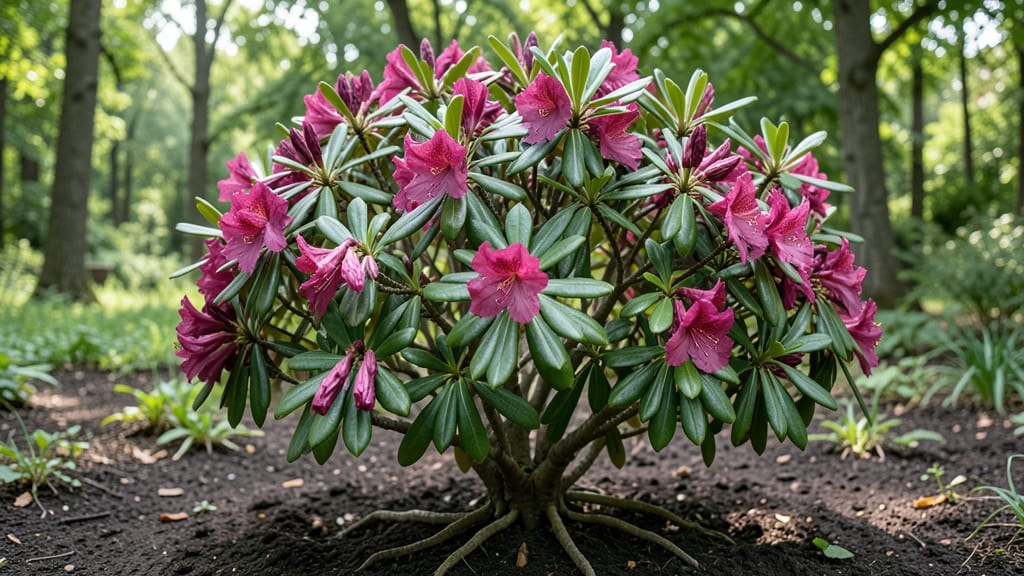
Your azalea tree’s height can transform from a wild, overgrown shrub to a perfectly shaped garden focal point—if you time the pruning right. 🌿 I’ve wrestled with azaleas that shot up to 10 feet in just a few years, only to learn the simple tricks that keep them at 3-6 feet for years.
The difference comes down to when and how you prune, not how often. Most azaleas naturally grow between 4 and 12 feet, depending on the variety—dwarf types stay under 3 feet, while standard shrubs can reach 10+ feet without control.
Sunlight, soil moisture, and pruning habits all push the plant toward its genetic limits. The key is pruning right after flowering (late spring) to encourage bushier growth while keeping height in check.
With the right cuts, you’ll see fuller blooms and a shape that fits your space—whether that’s a 3-foot hedge or a 6-foot statement plant. The secret? Prune back 1/3 of new growth each year, and avoid heavy cuts in fall, which can stress the plant before winter.
This method works for evergreen and deciduous azaleas alike, and the results are visible within a single growing season. Let’s get those shears ready!
📚 In This Guide
- What you need
- Instructions
- Tips and common mistakes
- Wrapping up and next steps
What you need
- ● Bypass pruning shears (sharp, clean, and sterilized to prevent disease) – 1 pair
- ● Hand pruners (for smaller branches) – 1 pair
- ● Loppers (for thicker branches, 1.5"–2" diameter) – 1 pair
- ○ Extension pole pruner (for high branches, 6–10 ft reach) – 1 (optional but helpful)
- ● Disposable gloves (nitrile or leather for protection) – 1 pair
- ○ Pruning sealant (optional but recommended for large cuts) – small bottle
- ● Ladder or sturdy stool (if tree exceeds 6 ft) – 1 (safety-rated)
- ● Bucket or trash bag (for collecting clippings) – 1
- ● Rubbing alcohol or bleach solution (70% isopropyl alcohol or 1:10 bleach-water mix) – small container
- ● Sharpie or permanent marker (for marking cuts) – 1
- ● Pruning saw (for very thick branches, 2" or larger) – 1
- ● Garden kneeler or pad (for comfort while working) – 1
- ● Plant growth regulator (if using chemical options for height control) – as needed
- ● Camera or phone (to document before/after pruning) – 1
Step-by-Step pruning guide to control azalea tree height
Here's how to shape your azalea into a manageable size without sacrificing its beauty or health.
🌿 Step 1: Time Your Pruning for Optimal Growth
Azaleas bloom on last year's growth, so prune immediately after flowering—typically in late spring—when spent blooms begin to fade. This timing ensures you never cut off next year's flower buds. If you prune too early, you risk removing potential blooms; if too late, new growth may not harden off before winter.
Watch for the first flush of new leaves after blooming as your signal. These leaves indicate the plant has finished flowering and is ready for shaping. Avoid pruning in fall or winter, as cold stress weakens the plant and makes it vulnerable to disease.
✂️ Step 2: Assess and Plan Your Pruning Cuts
Start by examining the tree's structure. Azaleas naturally grow in a rounded shape, so aim to maintain that form while removing any crossing, dead, or weak branches. Use sharp, clean pruners to make cuts at a 45-degree angle, just above a leaf node or outward-facing bud to encourage outward growth.
For height control, focus on the uppermost branches. Remove no more than one-third of the tree's height in a single pruning session to avoid shocking the plant. If your azalea is too tall, prioritize removing the longest, leggiest branches first—they're often the most unsightly and can be cut back by up to half their length.
🌱 Step 3: Shape the Tree for Balanced Growth
Step back frequently to visualize the tree's shape as you prune. Azaleas respond well to open, airy pruning, so avoid shearing or cutting into dense foliage. Instead, selectively thin out branches to improve airflow and reduce disease risk. Remove any suckers or water sprouts at the base—they drain energy from the main structure.
To encourage bushier growth, cut back some branches to just above a set of leaves or buds. The plant will send out new shoots from these nodes, filling in the canopy. For a more formal look, prune branches to create a tapered shape, wider at the base and narrower at the top. This mimics the tree's natural growth pattern while keeping it compact.
☀️ Step 4: Post-Pruning Care for Healthy Recovery
After pruning, water the azalea deeply to help it recover from the stress of cutting. Focus water at the base, avoiding the foliage to prevent fungal diseases. Apply a balanced, slow-release fertilizer in early summer to support new growth, following label instructions for application rates.
Monitor the tree closely in the weeks following pruning. New growth should appear within 4-6 weeks, signaling the plant is healing well. If you notice yellowing leaves or wilting, reduce watering slightly—the tree may be struggling with the adjustment. Mulch around the base with 2-3 inches of organic mulch to retain moisture and protect roots from temperature fluctuations.
⏰ Step 5: Maintain Height Over Time with Regular Pruning
Azaleas grow about 6-12 inches per year, so plan to prune annually to keep them at your desired height. Light maintenance pruning in late summer can also help control growth by trimming back any overly vigorous new shoots. This second pruning is optional but useful for fine-tuning the tree's shape.
Over time, you'll develop a sense of how your azalea responds to pruning. Some varieties grow more aggressively and may need more frequent trimming, while others stay naturally compact. Adjust your approach based on the tree's growth habits, always prioritizing health over aesthetics. With consistent care, your azalea will thrive at your preferred height for years to come.
Tips & tricks for pruning azalea trees to control height
Here's what nobody tells you about shaping azaleas without stunting their natural beauty.
Timing is Everything: The late spring timing in Step 1 is non-negotiable for azaleas that bloom on old wood. I've seen gardeners accidentally prune too early and lose their entire flower display for the season—don't make that mistake. Look for those first fresh leaves after blooming as your green light to prune. This timing ensures you're working with last year's growth while preserving next year's flower buds.
Precision Cutting Technique: When making those 45-degree angle cuts in Step 2, focus on cutting just above an outward-facing bud. This isn't just about aesthetics—it's horticultural science. The bud orientation determines where new growth will emerge. I always test my pruners first on a small branch to ensure they're sharp enough to make clean cuts without tearing the bark. Ragged cuts invite disease and slow recovery.
Strategic Height Reduction: The rule of thumb about not removing more than one-third of the tree's height in a single session (Step 2) is actually quite flexible. For severely overgrown azaleas, you can safely remove up to half of the longest, leggiest branches in one session, but spread this out over two sessions if possible. The key is to make these cuts gradually—never shock the plant with drastic reductions all at once. I've revived some truly neglected azaleas by doing this over two seasons.
Seasonal Maintenance Insight: That optional late summer pruning in Step 5 is your secret weapon for fine-tuning. This is when you can trim back any overly vigorous new shoots that emerged after your spring pruning. Think of it as your "touch-up" session—just be gentle. The goal here is to maintain your desired shape, not to drastically alter the tree's structure. I always do this after the first flush of summer growth appears, usually around July.
Pro Tips for Azalea Tree Height
- Here's what nobody tells you about shaping azaleas without stunting their natural beauty.
- Timing is Everything: The late spring timing in Step 1 is non-negotiable for azaleas that bloom on old wood.
- Precision Cutting Technique: When making those 45-degree angle cuts in Step 2, focus on cutting just above an outward-facing bud.
Frequently asked questions
about azalea tree height and pruning—because growing the perfect shrub shouldn’t feel like a mystery! Here are answers to the most common questions to help you shape your azalea with confidence.How tall do azalea trees typically grow?
Most azalea varieties reach 3 to 6 feet tall at maturity, though some dwarf types stay under 2 feet. Evergreen azaleas (like Rhododendron hybrids) tend to be taller, while deciduous varieties may grow slightly shorter. Always check your specific cultivar’s label for precise expectations!
When is the best time to prune azalea trees to control height?
Prune azaleas right after flowering (late spring to early summer) to avoid cutting off next year’s blooms. Avoid heavy pruning in fall or winter, as this can stress the plant. Light shaping can happen anytime, but timing matters for optimal growth and flowers!
Can I prune azalea trees too much?
Yes! Over-pruning—especially cutting into old wood—can stunt growth or reduce flowering. Never trim more than 1/3 of the plant’s height in one season. Focus on removing dead, crossing, or overcrowded branches first, then shape gradually.
What if my azalea isn’t growing tall enough?
If your azalea is stunted, check for underwatering, poor soil drainage, or nutrient deficiencies (like lack of iron or nitrogen). Fertilize lightly in early spring with an acid-loving plant formula and ensure it gets partial shade. Avoid heavy pruning—this can slow growth further!
Are there azalea alternatives for smaller spaces?
Try dwarf azaleas (like ‘Girard’s Pink’ or ‘Southern Indica’) or compact rhododendrons (e.g., ‘PJM’). For even lower maintenance, consider boxwoods, dwarf hydrangeas, or ornamental grasses—they thrive in similar conditions without the pruning demands!
Wrapping up and next steps
Choosing the right azalea tree height isn’t just about aesthetics—it’s about creating a thriving, balanced plant that fits your space and vision. 🌸 Whether you opt for pruning, selective breeding, or natural growth control, the key is patience and consistency.
With the right tools and techniques, you’ll enjoy a stunning azalea that’s as healthy as it is beautiful!
Ready to take the next step? Start pruning this season and watch your azalea transform—your garden will thank you! 🌿