
Plants
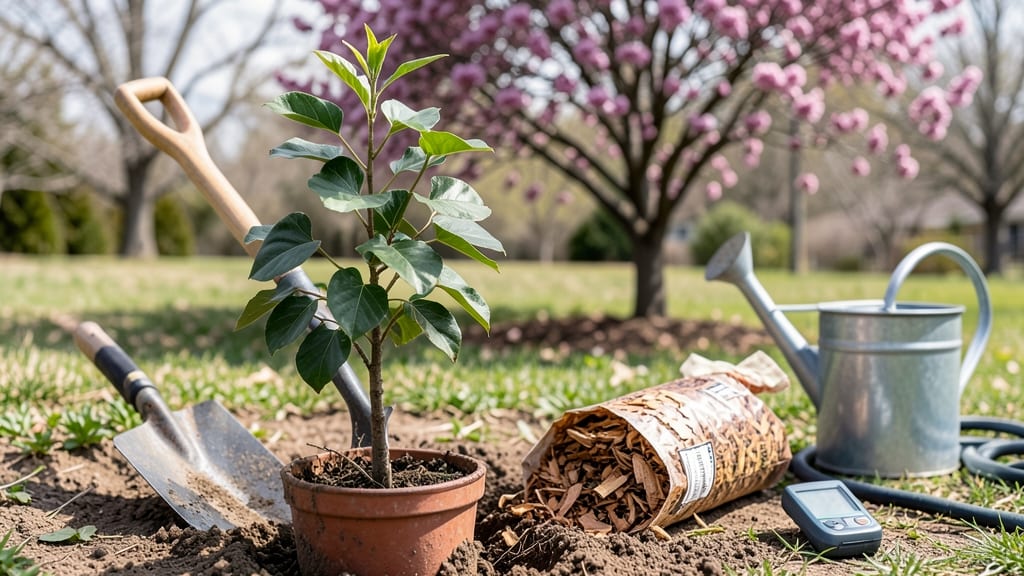
Planting a redbud tree in Texas at the right time ensures it thrives for decades with stunning spring blooms 🌳 — aim for late winter to early spring, when soil warms and frost risks fade.
Texas gardeners know timing is everything: plant too early, and a late frost could wipe out your young sapling; too late, and it struggles to establish roots before summer heat arrives. The ideal window is February to March, but regional microclimates shift those dates by weeks.
This guide breaks down the exact frost-free timing for your USDA zone, soil prep tips to lock in moisture, and why container planting might be your best bet in urban areas where space is tight.
You’ll learn how to read your local weather patterns, the trade-offs of fall vs. spring planting, and the one trick that gives redbuds a head start in Texas’s unpredictable climate.
Best planting months for redbud trees in Texas by USDA zone
Texas spans USDA zones 6a through 9a, creating dramatic differences in frost patterns and ideal planting windows for your eastern redbud (Cercis canadensis).
In North Texas (zones 7a-8a), late frosts can linger until March 15, while South Texas (zones 8b-9a) often sees frost-free conditions by February 15. Planting too early risks frost damage, but waiting too late means your tree won't establish roots before summer heat arrives.
For optimal success, aim to plant when soil temperatures reach 50°F (10°C) and stay consistent. This typically aligns with late February to early April, but exact timing varies by zone.
Container-grown redbuds offer more flexibility—they can handle mild winter planting in zones 8b-9a, while bare-root trees demand precise timing to avoid dormancy stress.
Here's how to match your USDA zone with the perfect planting window:
| USDA Zone | Last Frost Date | Ideal Planting Window | Soil Temp Threshold | Key Consideration |
|---|---|---|---|---|
| 6a (North Panhandle) | March 1-15 | Late March - Early April | 55°F (13°C) | Wait for consistent soil warmth |
| 7a (Dallas/Fort Worth) | February 28 - March 10 | Early March - Mid-April | 50°F (10°C) | Monitor spring rains for erosion |
| 7b-8a (Austin/San Antonio) | February 15 - March 1 | Late February - Early April | 48°F (9°C) | Container plants flexible until April |
| 8b-9a (Houston/Galveston) | January 15 - February 1 | Late January - March | 45°F (7°C) | Fall planting possible in mild winters |
In North Texas (zones 6a-7a), I recommend waiting until late March to plant bare-root redbuds. The soil needs time to warm—cold, wet conditions can suffocate roots. Use a soil thermometer to confirm 50°F (10°C) at 4" depth before planting.
For container-grown trees, you can push the window slightly earlier, but avoid planting when night temps drop below 40°F (4°C).
For Central Texas (zones 7b-8a), the ideal window stretches from late February to early April. This gives your redbud time to establish roots before summer heat arrives. I've seen the best success with March planting—enough time for root growth before the April-May drought typically hits.
Always mulch heavily (3-4 inches) to retain moisture and regulate soil temperature.
In South Texas (zones 8b-9a), you have the most flexibility. Late January to early March works well for bare-root trees, while container-grown redbuds can even be planted in December or February if soil isn't frozen.
The key is avoiding prolonged dry spells—South Texas summers are brutal, so get those roots down before June's 100°F+ temps arrive.
Pro tip: If you miss the spring window, fall planting is possible in zones 8b-
How to time your redbud planting around Texas weather patterns
Texas weather throws curveballs—one week can bring freezing temperatures while the next hits 90°F heat. For redbud trees, these swings mean the difference between root rot and dormancy stress.
Unlike hardiness zones, which only tell part of the story, local frost dates and soil warmth are your real planting compass.
Redbuds need 60°F soil temperatures to kickstart root growth, but Texas' last frost varies wildly—from mid-January in South Texas to mid-March in the Panhandle. Plant too early, and a late freeze will shock tender roots; too late, and your tree won’t establish before summer’s brutal heat.
The sweet spot? After the last frost but before June’s scorching sun.
🌱 Texas Redbud Planting Checklist
- ✅ Soil temp: Wait until 60°F+ (use a soil thermometer)
- ✅ Frost-free: 3 weeks after last frost date
- ✅ Rainfall: Aim for 1-2 inches/week (supplement if dry)
- ✅ Best window: Mid-March to early May (varies by region)
💡 Pro Tip: North Texas gardeners should plant 2 weeks later than South Texas due to later frosts.
Don’t rely solely on USDA zones—they’re a starting point, not a rulebook. For example, Dallas (Zone 8a) often sees frost in February, while Houston (Zone 9a) might escape frost entirely. Check your local Cooperative Extension Service for hyper-local frost data—this is your secret weapon for success.
Rainfall patterns also play a sneaky role. Redbuds need consistent moisture to establish roots, but Texas summers can bring drought conditions. If your area is forecasted for dry spells, water deeply 2-3 times/week for the first 60 days after planting.
A 3-inch layer of mulch will lock in moisture and regulate soil temperature.
Watch for soil temperature spikes too—redbuds hate heat stress during root establishment. If your area hits 95°F+ before roots take hold, consider shade cloth or a nursery container to delay planting until fall. Fall planting (September-October) can work in South Texas, where winters are mild.
Finally, don’t ignore microclimates. A hilltop might frost later than a valley, while a city park stays warmer than rural areas. Test your spot by planting marigolds or snapdragons a month before your target date—they’ll tell you if frost is still a risk.
When they thrive, it’s time for your redbud!