
Plants
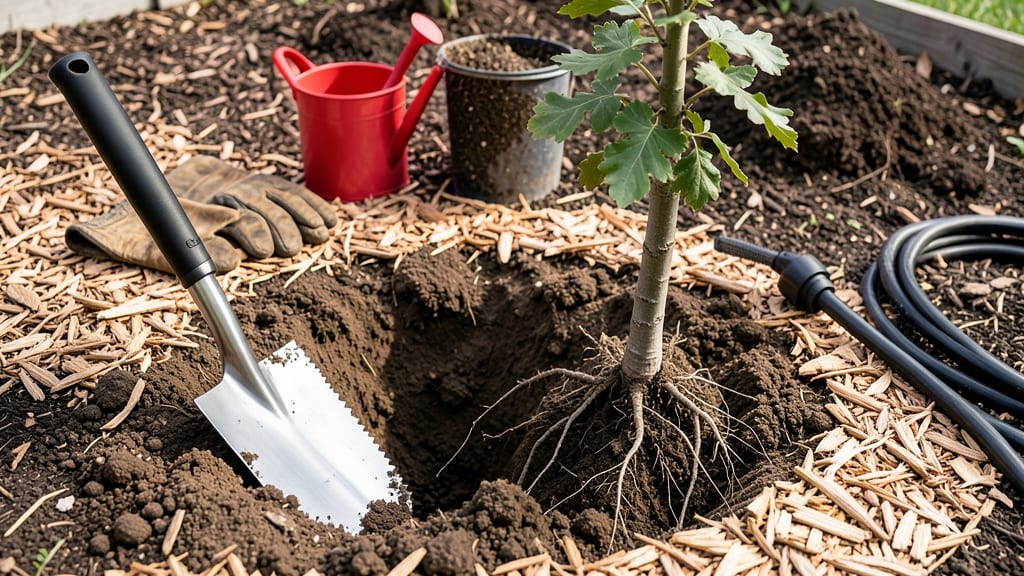
Planting a tree in Colorado at the right time is the difference between a thriving 🌳 and a struggling sapling—spring and fall are your best bets, depending on your zone.
Picture this: you’ve just planted a $100 tree in August, only for it to wilt under the 100-degree Front Range heat before roots can take hold. That’s why timing isn’t just about the calendar—it’s about soil warmth, frost risk, and even elevation.
Colorado’s 5 distinct climate zones mean what works in Denver’s Zone 5 might fail on the Western Slope’s Zone 7. Whether you’re in the mountains or the plains, I’ll break down the exact months to plant, soil prep tricks, and which tree species play well in each season.
By the end, you’ll know not just when to plant, but how to give your tree the fighting chance it deserves—no guesswork, just proven strategies for Colorado’s toughest growing conditions.
Colorado’s 5 climate zones and their ideal tree planting months
Colorado’s diverse geography creates five distinct climate zones, each with unique temperature patterns and moisture levels that dictate the best time to plant trees. Whether you're in the Front Range or the High Mountains, understanding these zones will help you choose the perfect planting window for success.
The wrong timing can lead to transplant shock or poor root establishment, so let’s break it down by region.
In Colorado, spring and fall are the safest planting seasons for most trees, but the exact months vary dramatically. For example, Denver’s Front Range has a longer growing season than the San Luis Valley, where cold snaps can arrive early.
Meanwhile, high-altitude areas like Vail or Leadville face shorter seasons and harsher conditions. Let’s explore each zone’s ideal planting months and why they matter.
🌱 Key Rule: Always plant trees when the soil is workable (not frozen) and the tree is dormant (late winter/early spring) or when temperatures are cooling (fall). This minimizes stress and maximizes survival rates.
The Front Range offers the most flexibility for planting, with late March to April being ideal for spring planting. This window aligns with soil warming and reduced frost risk, giving young roots time to establish before summer heat arrives.
Fall planting in September or October is also excellent because cooler temperatures reduce transplant shock, and trees can focus on root growth rather than foliage.
In contrast, the Western Slope experiences drier conditions, so planting in April or May ensures trees get enough moisture before summer droughts set in. Species like Ponderosa Pine thrive here because they’re adapted to low humidity and well-draining soil.
For fall, aim for October to avoid early frosts that can damage tender new roots.
On the Eastern Plains, where summers are hot and winters can be harsh, April–May planting gives trees a head start before the heat peaks. Fall planting should wrap up by September to avoid the first frost, which can arrive as early as October 15 in some areas.
Drought-resistant species like American Elm are perfect for this zone’s low rainfall conditions.
The San Luis Valley presents unique challenges due to its high elevation and short growing season. Planting in May or June ensures the soil has thawed and warmed sufficiently, while fall planting should occur by August or September. Cold-hardy species like
How to adjust planting timing for Colorado’s microclimates
Colorado’s microclimates can shift planting windows by weeks—or even months—depending on elevation, urban heat, or drought conditions. For example, Denver’s urban heat island may allow late-spring planting when nearby foothills still face frost risks. Understanding these variations helps you avoid transplant shock and maximize root growth before winter.
High-altitude gardens above 7,000 feet often benefit from earlier spring planting (March–April) to escape late frosts, while drought-prone areas like the Western Slope require fall planting (September–October) to reduce water stress. Let’s break down how to adapt your timing for these tricky conditions.
- 🌡️ Urban Heat Islands: Plant 2–4 weeks later than rural areas (e.g., May instead of April) to avoid heat stress on young roots.
- ⛰️ High Altitude (7,000+ ft): Shift to March–April for spring planting; evergreens can tolerate early fall (August) if soil stays moist.
- 💧 Drought-Prone Zones: Prioritize fall planting (September–October) to leverage cooler temps and natural rainfall before winter dormancy.
- 🌱 Soil Prep Tip: Amend clay-heavy soils with compost or sand 4–6 weeks before planting to improve drainage in urban areas.
- 💧 Watering Hack: Use drip irrigation for 2–3 weeks post-planting to mimic natural rainfall and reduce evaporation in drought zones.
For urban heat islands, like Denver or Colorado Springs, I recommend delaying planting until after May 15 to avoid soil temperatures above 75°F, which can stunt root growth.
Test soil temps with a soil thermometer—aim for 60–70°F for optimal root development. Mulch with 3–4 inches of wood chips to insulate roots and retain moisture.
In high-altitude gardens, such as those near Boulder or Aspen, focus on spring planting (March–April) for deciduous trees like quaking aspen or colorado blue spruce. These areas often experience late frosts (after May 1), so choose cold-hardy species or use frost blankets for young seedlings.
Evergreens, like ponderosa pine, can handle early fall planting if watered deeply.
Drought-prone regions, including the Western Slope or San Luis Valley, demand fall planting (September–October) to take advantage of cooler temperatures and higher humidity. Before planting, deep-soak the hole with 10–15 gallons of water to encourage root expansion.
Pair this with mulch rings to lock in moisture—critical for survival in low-rainfall zones.
Regardless of your microclimate, avoid planting during extreme heat or cold. For example, July–August in Denver can push soil temps to 90°F+, while November in mountainous areas may bring early freezes.
Always check your local USDA Hardiness Zone and adjust timing accordingly. With these tweaks, your trees will thrive year-round!