
Pruning
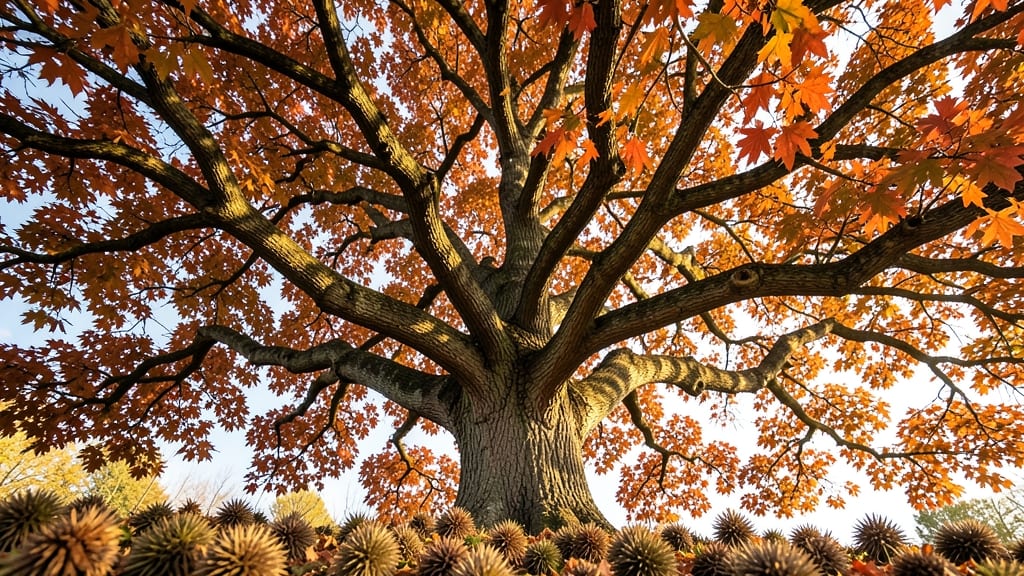
Arkansas's diverse climate supports a wide range of tree species, each requiring specific pruning techniques for optimal growth. This guide covers 10 native and popular trees in Arkansas, offering seasonal pruning tips to maintain health, shape, and longevity year-round.
Southern Magnolia Pruning for Year-Round Blooms
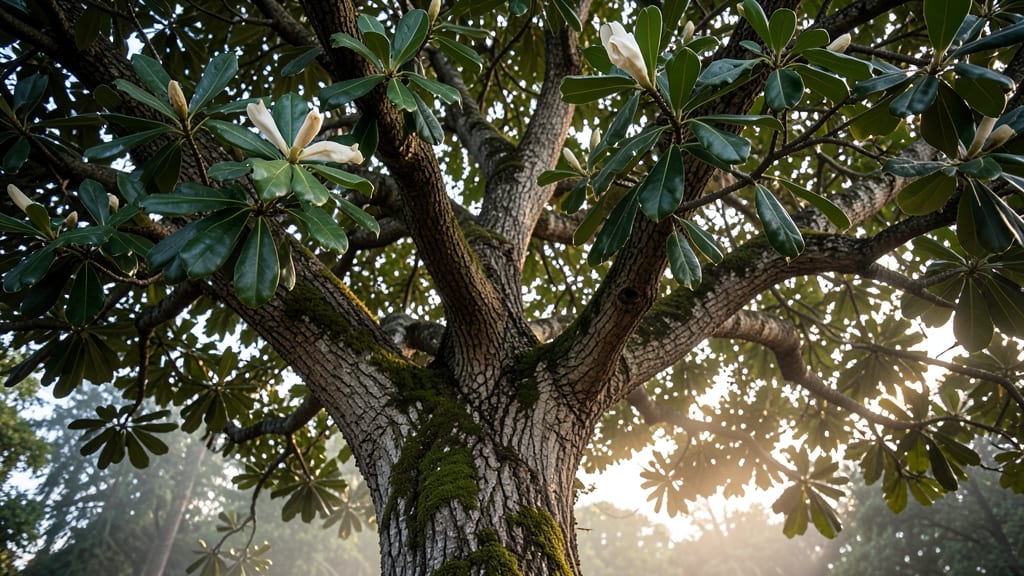
The Southern Magnolia (Magnolia grandiflora) is Arkansas’s ultimate shade provider and fragrant spring bloomer—but its thick, evergreen canopies can trap humidity, inviting fungal diseases like anthracnose if neglected. With the right pruning, you’ll encourage larger, more abundant blooms while keeping your tree healthy through Arkansas’s steamy summers.
Start by removing dead or crossing branches in late winter or early spring, before new growth begins. Thin the canopy by up to 25% to improve airflow, focusing on the lower third to let sunlight reach the base. Avoid heavy pruning in summer, as this stresses the tree when it’s already battling heat and humidity. Sterilize your tools with rubbing alcohol between cuts to prevent spreading disease.
This approach is perfect for homeowners with mature magnolias or those planting new ones—your tree will reward you with year-round interest, from glossy foliage to fragrant spring blooms. 🌱
Bald Cypress Pruning for Wetland Resilience
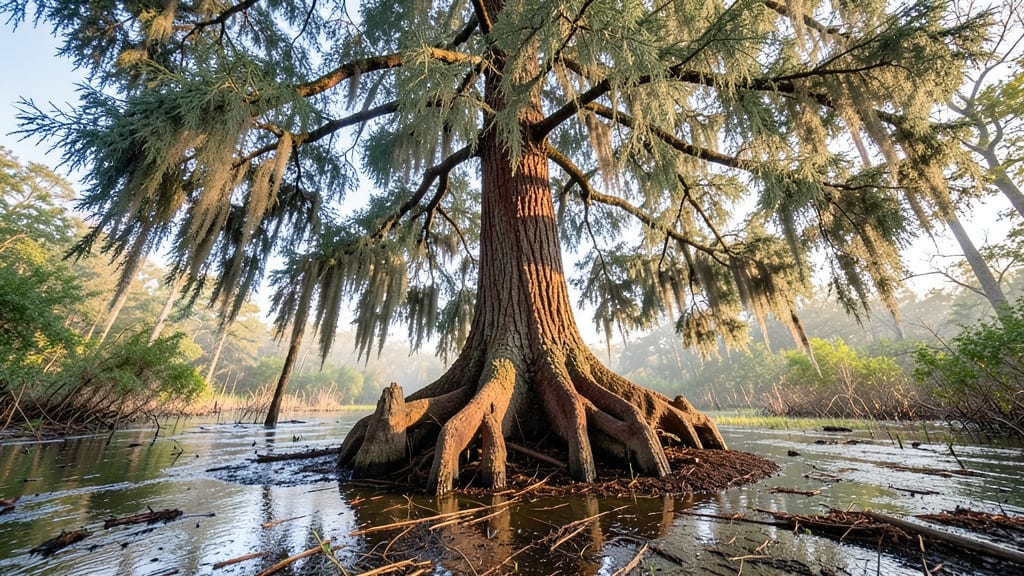
If your Arkansas property has swampy areas or waterlogged soil, the bald cypress is your best bet for a resilient, low-maintenance tree—but it still needs the right pruning approach. Unlike many trees, bald cypress thrives in standing water, but stagnant air trapped in dense canopies can lead to disease and limb rot.
Focus on selective pruning in late winter or early spring, removing only dead, diseased, or crossing branches. Avoid heavy pruning, as this tree naturally sheds lower branches as it matures. Improving air circulation by thinning crowded areas prevents fungal issues common in Arkansas’s humid climate. Use sharp pruners to make clean cuts just outside branch collars.
This method keeps your bald cypress healthy year-round, making it ideal for wetland gardens, ponds, or rain gardens. Perfect for homeowners dealing with Arkansas’s swampy regions! 🌿
Oak Tree Pruning to Prevent Disease
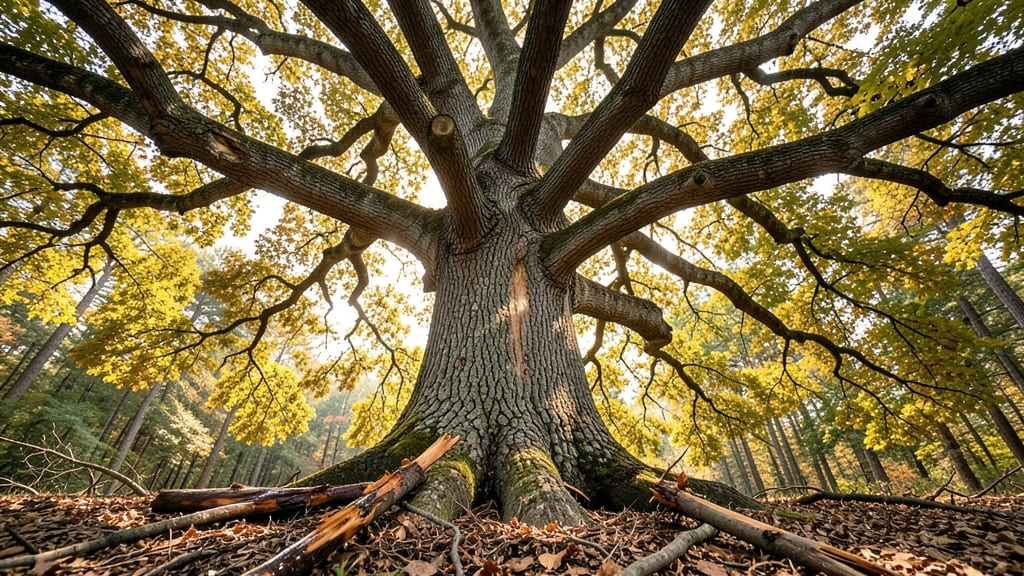
Arkansas's iconic oak trees face a unique threat from oak wilt, a fungal disease that spreads rapidly in the state's humid summers. Unlike other trees, oaks need strategic pruning to create a healthy defense against infection while maintaining their majestic structure.
Start by removing any branches with signs of fungal infection—look for discolored leaves, wilting foliage, or fungal growth at branch collars. Thin the canopy by selectively pruning inward-growing branches to improve airflow and sunlight penetration, which naturally deters fungal spores. Always use sterilized tools between cuts to prevent cross-contamination, and avoid pruning during late spring or summer when oak wilt is most active.
Homeowners with mature oaks will see the biggest benefits from this approach, as proper pruning can extend the tree's lifespan by decades while keeping your landscape safe. 🌟
Dogwood Tree Pruning for Spring Flowering
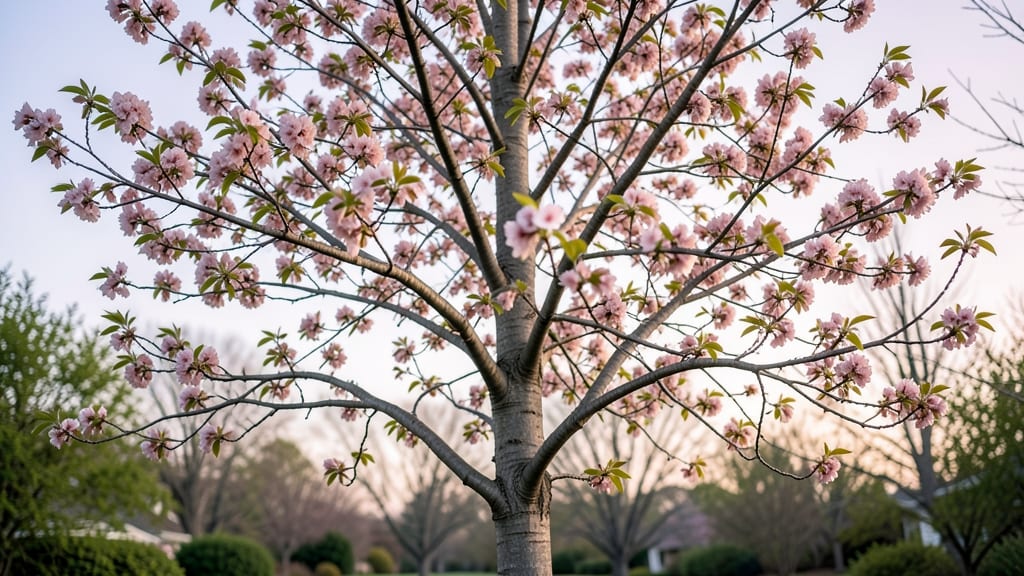
If your Arkansas landscape features dogwood trees, you’re already growing one of the state’s most beloved spring showstoppers—but their beauty depends on the right pruning approach. Unlike other trees, dogwoods bloom on last year’s growth, so aggressive pruning can rob you of next season’s stunning white or pink blossoms.
Focus on light pruning in late winter or early spring (before buds swell) to remove only dead, diseased, or crossing branches. Avoid heavy cuts—dogwoods are sensitive to stress—and never prune more than 25% of the canopy at once. For shape, thin out crowded branches to improve airflow, which helps prevent powdery mildew, a common issue in Arkansas’s humid climate.
This gentle approach keeps your dogwood thriving with vibrant spring blooms while maintaining its graceful form—ideal for homeowners who want low-maintenance yet high-impact landscaping. 🌷
Pine Tree Pruning for Sunlight Exposure
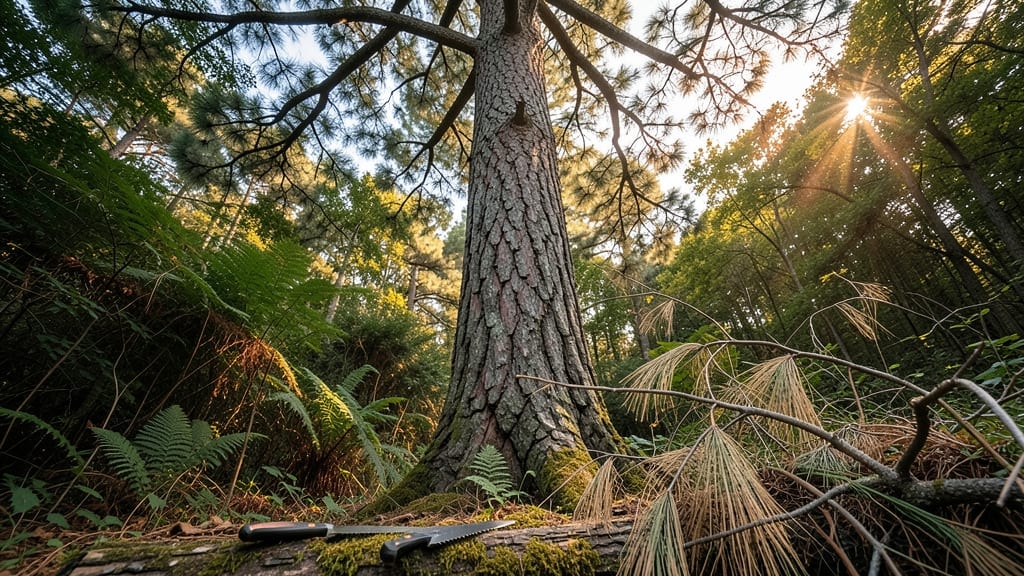
If your loblolly or shortleaf pines seem stunted or struggle in Arkansas’s dense woodlands, sunlight exposure might be the missing piece. These native pines often develop thick lower branches that block light from reaching the trunk and inner foliage, weakening the tree over time.
Focus on removing lower branches up to 6 feet from the ground during late winter or early spring when the tree is dormant. This allows sunlight to reach the trunk, reducing moisture buildup that invites fungal diseases like brown spot needle blight. Avoid over-pruning—never remove more than 25% of the canopy at once to prevent stress. Use clean, sharp pruners to make cuts just outside the branch collar for faster healing.
This technique isn’t just for forest giants—homeowners with pines in yards or windbreaks will see stronger growth and fewer pests. Perfect for those looking to revive struggling pines or maintain healthy specimens in Arkansas’s humid climate. 🌟
Redbud Tree Pruning for Compact Growth
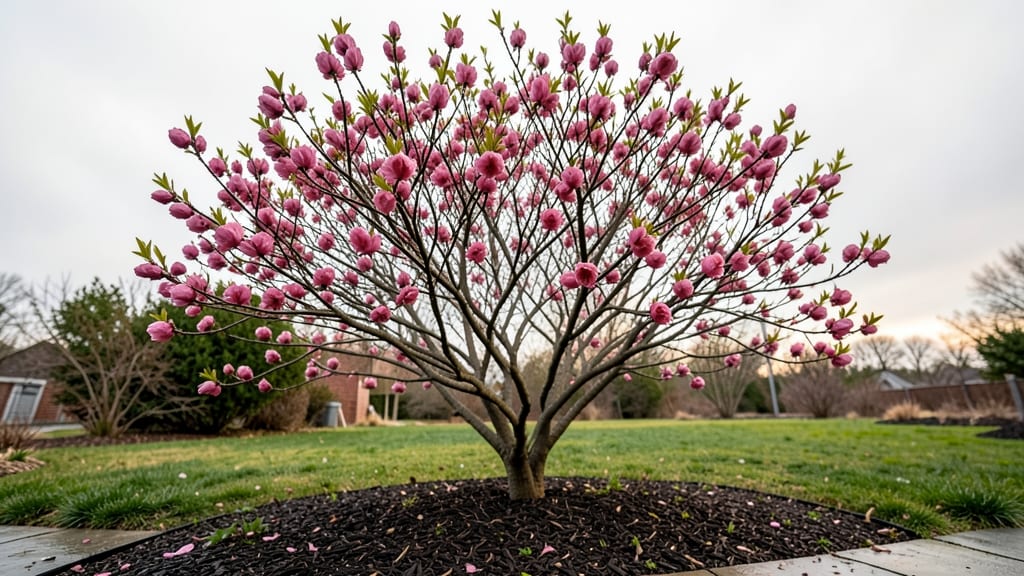
Want a tree that bursts with color in early spring without taking over your yard? The Eastern redbud delivers vibrant pink blooms while staying compact—perfect for Arkansas's urban spaces and small gardens.
To keep your redbud looking its best, prune lightly in late winter or early spring before new growth begins. Focus on removing any dead or crossing branches while shaping the tree to maintain its natural, rounded form. Avoid heavy pruning, as redbuds bloom on old wood, so trimming too aggressively can reduce next year's flowers. A little maintenance goes a long way for these low-maintenance beauties.
Urban gardeners and small-space plantings will love how redbuds thrive with minimal care while adding seasonal interest. Their compact size makes them ideal for patios, foundation plantings, or even as a striking small tree in city landscapes. 🌷
Willow Tree Pruning to Control Spread
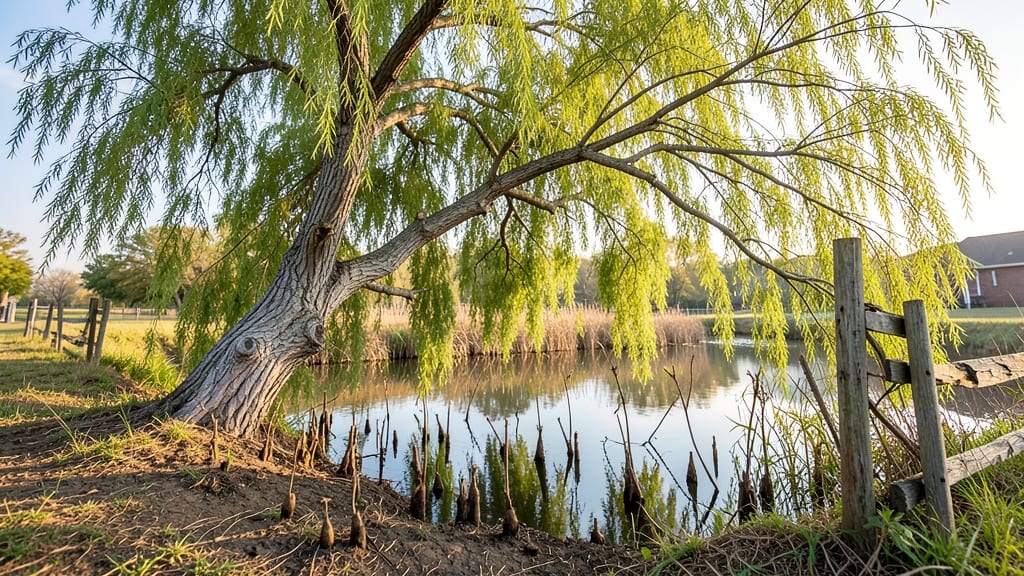
If your Arkansas landscape features a willow tree, you already know its rapid growth can quickly become a challenge—especially near ponds, streams, or neighboring properties. Without regular pruning, these trees can spread aggressively, crowding out other plants and even damaging structures with their sprawling branches.
To manage willow spread, focus on late winter or early spring pruning before new growth begins. Use sharp pruners or a chainsaw to remove up to one-third of the tree’s height in stages, always cutting just above a bud or lateral branch. For weeping varieties, lift branches gently to identify and remove suckers at the base, which can regenerate the tree if left unchecked. This method keeps the tree’s iconic shape while preventing it from encroaching on unwanted areas.
Homeowners with limited space or water features will benefit most from this approach, as it maintains the tree’s beauty while controlling its invasive tendencies. A well-pruned willow can remain a stunning focal point without becoming a nuisance. 🌿
Hickory Tree Pruning for Nut Production
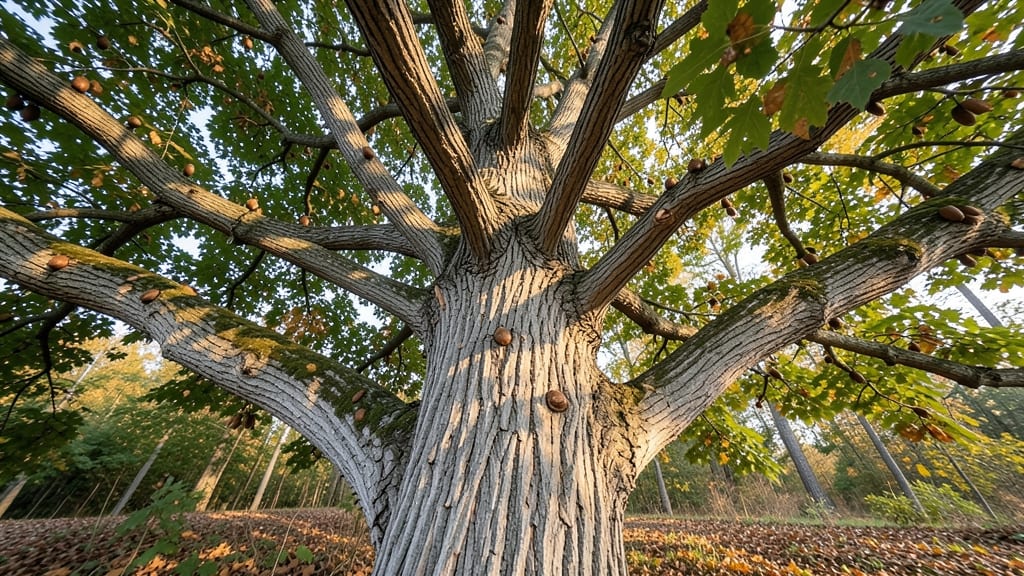
If you're growing hickory trees in Arkansas for their prized nuts, strategic pruning is your secret weapon. Unlike ornamental trees, hickories reward careful maintenance with heavier nut crops by improving sunlight penetration and airflow to the canopy.
Start by removing dead or diseased branches year-round to prevent pests like hickory shuckworm from nesting in decaying wood. In late winter or early spring, thin the canopy by 15-20% to redirect energy toward nut production. Avoid heavy pruning in summer, as this stresses the tree during its peak growth phase. Focus cuts on branches growing toward the center to maintain an open structure.
This approach benefits both home orchards and wild stands, ensuring better harvests while reducing pest pressure. Arkansas's humid summers make airflow especially critical for preventing fungal issues that can devastate nut yields. 🌱
Crape Myrtle Pruning for Seasonal Interest
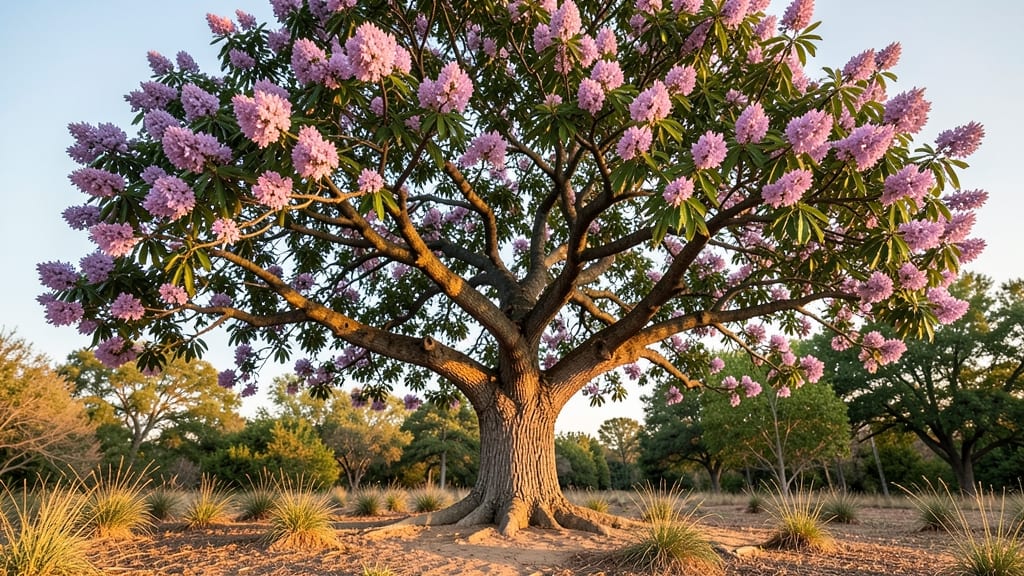
Transform your Arkansas landscape with crape myrtles, a drought-tolerant superstar that rewards proper pruning with show-stopping summer blooms and stunning winter bark. Unlike many trees, crape myrtles thrive in Arkansas's heat and humidity, but they need strategic pruning to maintain their signature beauty year-round.
Start by removing all dead or diseased wood in late winter or early spring before new growth begins. Then, shape the tree by cutting back branches to create an open center, allowing sunlight to reach the inner canopy—this encourages more blooms. Avoid "topping" the tree (cutting the top flat), as this leads to weak regrowth. For the best results, prune again lightly after summer flowering to maintain your desired shape.
This two-season approach ensures your crape myrtle stays healthy, vibrant, and a focal point in every season. Perfect for urban gardens and rural landscapes alike, these trees offer low-maintenance beauty once you master the pruning basics. 🌻
Sweetgum Tree Pruning to Reduce Mess

Tired of raking up spiky sweetgum seed pods every fall? These iconic Arkansas trees—with their star-shaped leaves and fiery autumn colors—are stunning but notorious for their messy litter. The solution? Strategic pruning to thin the canopy and reduce those pesky seed pods while improving airflow and overall tree health.
Focus on removing crossing or rubbing branches first, as these create weak points where pests and disease can enter. Next, target overcrowded areas in the canopy to let sunlight penetrate deeper, which discourages dense seed pod production. Use clean, sharp pruners to make cuts just outside branch collars, and avoid removing more than 25% of the canopy in one session to prevent stress. Late winter or early spring is ideal for pruning, before new growth begins.
This approach isn’t just about tidying up—it also strengthens your tree’s structure, making it more resilient to Arkansas’s humid summers and windy storms. Homeowners with young families or pets will especially appreciate the reduced mess, while gardeners can enjoy the tree’s vibrant fall foliage without the cleanup hassle. 🌻