
Pruning
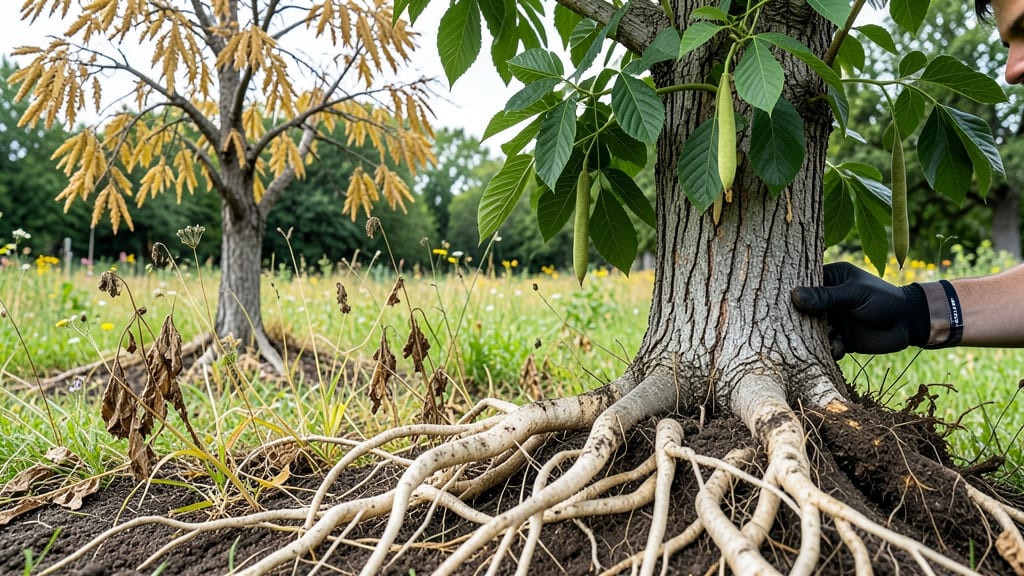
The tree of heaven is bad because it spreads aggressively, outcompeting native plants, secretes toxins that inhibit other species' growth, and hosts pests like the spotted lanternfly. Its rapid growth and invasive nature disrupt ecosystems and increase wildfire risks.
The tree of heaven earns its notorious reputation through a combination of ecological bullying tactics. 🌳 First, its lightweight seeds hitch rides on wind, water, and even animals, creating dense thickets that choke out native vegetation.
Then it deploys a chemical weapon called allelopathy—releasing toxins through its roots and leaves to suppress competitors. This double threat turns forests into monocultures where only tree of heaven thrives, starving out beneficial plants and wildlife. The worst part?
Once established, these trees are nearly impossible to eradicate without persistent effort, making them a long-term headache for land managers.
What makes this invasive species particularly dangerous is how it alters entire ecosystems.
The dense growth creates fuel loads that increase wildfire risks, while its pest magnet status (like attracting spotted lanternflies) creates additional problems for agriculture. 🔥 Homeowners often discover these trees growing where they never planted them, only to realize too late how difficult removal becomes. The good news?
Early intervention with proper techniques can give native plants a fighting chance—but patience and persistence are absolutely required.
💡 In This Article
- How Tree of Heaven Spreads and Harms Ecosystems
- Effective Tree of Heaven Removal Methods for Gardeners
How tree of heaven spreads and harms ecosystems
The tree of heaven's invasion begins with its prolific seed production—each tree can release up to 250,000 seeds annually. These lightweight, winged seeds travel up to 2 miles on wind currents, ensuring widespread colonization.
The tree's deep taproot system (reaching 50+ feet) allows it to access water and nutrients that native plants can't compete for, giving it a growth advantage even in poor soil conditions. 🌱 This aggressive root structure makes it particularly dangerous in urban areas, where it can crack sidewalks and foundations while outcompeting desirable trees.
What truly sets tree of heaven apart is its allelopathic capabilities. The tree releases toxic chemicals called allelochemicals through its roots and decomposing leaves, which inhibit the growth of surrounding plants.
Studies show these toxins can reduce seed germination rates by up to 90% in nearby species, creating a "dead zone" where only tree of heaven thrives. The most potent compound, phytotoxin, has been detected in soil samples 10+ feet away from mature trees.
This chemical warfare explains why forests infested with tree of heaven often appear as uniform green monocultures with no understory vegetation.
The ecological damage extends beyond plant life. Tree of heaven's dense growth creates ideal conditions for pests like the spotted lanternfly, which feeds on its sap and spreads rapidly.
The tree's high moisture content (up to 60% in fresh wood) also increases wildfire risks by creating thick fuel loads that burn hotter and faster than native vegetation. 🔥 In Pennsylvania alone, tree of heaven infestations have been linked to 30% higher wildfire incidence in affected areas.
The combined effects of outcompeting native species, chemical suppression, and pest attraction create a perfect storm for ecosystem collapse.
Soil health suffers dramatically under tree of heaven dominance. The tree's leaf litter decomposes slowly, creating acidic conditions that native plants can't tolerate. Laboratory tests reveal soil pH levels dropping to 4.5-5.0 under mature trees (compared to normal forest floor pH of 6.0-7.0), which prevents beneficial mycorrhizal fungi from forming.
This disruption in soil biology reduces nutrient cycling and water retention, making the ecosystem more vulnerable to drought and erosion. The long-term result is a degraded landscape that supports fewer species and provides less habitat value for wildlife.
What makes this particularly frustrating is how tree of heaven targets young forests and disturbed sites. After logging, construction, or natural disturbances, these trees establish quickly, often within 2-3 years, before native species can recover.
Their rapid growth (up to 3 feet per year) gives them a head start that's nearly impossible to overcome without intervention. The tree's ability to thrive in both urban and wild settings makes it a dual threat to both natural areas and residential properties. 🌳
Consider this comparison: A single mature tree of heaven can produce enough allelochemicals to suppress 100+ square feet of surrounding area, while its seed production can create thousands of new plants annually.
This exponential growth pattern means that by the time homeowners notice the problem, it's often already too late for simple removal methods to work effectively. The tree's multi-faceted invasion strategy—spreading seeds, poisoning soil, and altering fire regimes—makes it one of the most challenging invasive species to manage in North America.