
Blooming
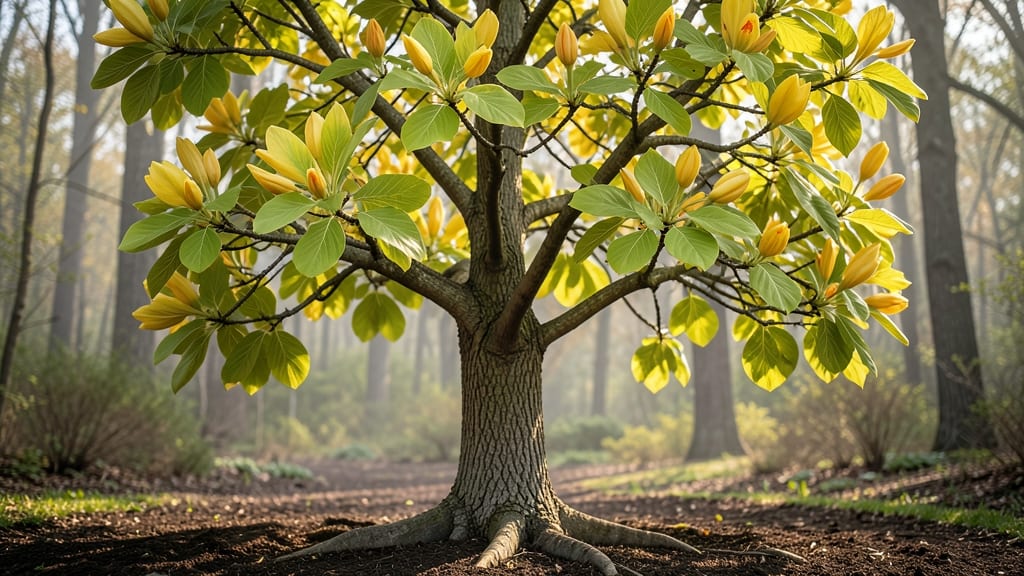
The tulip tree bloom time arrives in late spring, typically between April and May 🌳, when those iconic yellow-green flowers light up the canopy like a natural chandelier.
If you’ve ever wondered when those stunning tulip tree flowers will finally appear—or how to time pruning for maximum blooms—this month-by-month guide will give you the exact answers you need to plan your garden perfectly.
Timing matters more than you think: a single late frost can wipe out buds, while proper sunlight and soil prep can push blooms earlier. I’ll break down how climate, tree age, and even your local frost date shift the schedule.
By the end, you’ll know not just when to expect flowers, but how to coax your tulip tree into blooming earlier and more reliably—no guesswork, just science-backed tips for your zone.
When do tulip trees bloom? Month-by-month flowering timeline
Tulip trees (Liriodendron tulipifera) are one of nature’s most spectacular spring bloomers, but their exact bloom time varies dramatically depending on your USDA hardiness zone and local climate conditions.
In warmer southern zones (6-9), you might see those iconic tulip-shaped flowers as early as late February, while gardeners in cooler northern zones (4-5) may not see blooms until mid-to-late May.
Understanding this timeline helps you plan pruning, fertilization, and even landscaping projects around your tree’s natural cycle.
The key to predicting your tulip tree’s bloom time lies in tree maturity, sunlight exposure, and winter chill hours. Young trees (under 10 years old) often bloom later as they focus energy on root and trunk growth.
Meanwhile, mature trees (20+ years) can produce hundreds of flowers in a single season when conditions are ideal. Let’s break down what to expect month-by-month across the U.S. growing regions.
| USDA Zone | Early Bloom Window | Peak Bloom Period | Late Bloom Window | Climate Factors |
|---|---|---|---|---|
| Zones 4-5 | Mid-to-late May | Late May to early June | Early June | Cold winters delay blooms; needs full sun for timely flowering |
| Zones 6-7 | Late April | Early to mid-May | Late May | Moderate winters; blooms align with last frost date |
| Zones 8-9 | Late February to early March | March to early April | Mid-April | Mild winters; may rebloom if pruned lightly after first flush |
In USDA zones 4-5, tulip trees often wait until late spring to bloom because they need to break winter dormancy gradually. A late frost in May can even damage early blooms, so monitor your local frost forecast closely.
These northern trees typically produce fewer flowers than their southern counterparts but make up for it with larger, showier blooms.
Gardeners in zones 6-7 enjoy the sweet spot for tulip tree blooming, with flowers appearing just as spring fully arrives. The peak bloom period in these regions usually coincides with Earth Day (April 22), making them a popular choice for landscape highlights.
To encourage earlier blooms, apply a balanced fertilizer (10-10-10) in early spring before buds form.
If you live in zones 8-9, you’re in luck—tulip trees here often bloom as early as late February, sometimes even before daffodils! The mild winters mean these trees can rebloom later in the season if you prune lightly after the first flush.
However, over-pruning can reduce next year’s blooms, so use sharp pruners to remove only dead or crossing branches.
One often-overlooked factor in tulip tree bloom timing is soil moisture during the previous fall. Trees that receive consistent watering until the first frost tend to bloom 1-2 weeks earlier than those in dry soil.
In drought-prone areas, consider deep watering every 10-14 days during the growing season to maintain healthy roots.
For urban gardeners, air pollution and compacted soil can delay blooming. If your tulip tree isn’t flowering by its expected time, test your soil’s pH (ideal: 5.0-7.0) and amend with compost or peat moss if needed.
A mulch layer (3-4 inches) also helps regulate soil temperature, which can speed up bud formation.
Pro tip: Photograph your tulip tree’s first bloom each year and note the date. Over time, you’ll spot trends—like whether warmer winters cause earlier blooms or if summer droughts reduce flower count. This personalized timeline becomes invaluable for planning weddings, photoshoots, or simply enjoying your tree’s showiest moments.
Finally, remember that tree age plays a huge role. Young tulip trees (5-10 years old) may only produce a handful of flowers, while mature trees (30+ years) can cover themselves in hundreds of blooms.
Patience is key—give your tree time to establish before expecting a full spring spectacle.
With this month-by-month guide, you’ll never miss your tulip tree’s showstopping display again. Now you can time pruning, photography, and even garden parties around its natural
How to predict your tulip tree’s bloom time based on tree age and location
Predicting when your tulip tree will bloom depends on two key factors: the tree’s age and maturity, and your local climate and location.
Young trees may take years to produce flowers, while mature specimens in ideal conditions can burst into bloom as early as late March or April. Understanding these variables helps you set realistic expectations and adjust care routines accordingly.
For example, a 5-year-old tulip tree in USDA Zone 7 with full sun exposure may bloom in 4-5 years, while a 20-year-old tree in the same zone could flower reliably every spring.
Meanwhile, trees in cooler zones like Zone 5 might delay blooming until May or June due to later frost dates. Let’s break down the key predictors.
- 1
- 2
- 3
- 4
To refine your predictions, observe your tree’s bud formation in late winter. Healthy buds that swell and turn green by February signal an early bloom, often by March or April.
In contrast, buds that remain dormant until April suggest a later bloom, possibly pushed by cooler temperatures. Adjust watering and fertilization accordingly—deep watering in early spring supports bud development.
If your tulip tree isn’t blooming yet, don’t panic. Patience is key—some trees take up to 10 years to mature enough for flowers. Meanwhile, ensure it gets adequate sunlight and nutrients.
A balanced fertilizer in early spring can encourage stronger growth and eventual blooms. For established trees, prune in late winter to remove dead branches and improve airflow, which can boost flowering.
Pro tip: Use a gardening journal to track bud development year over year. Note the first signs of buds, bloom dates, and any environmental factors (like unusually cold snaps or drought) that might delay blooms. Over time, you’ll spot patterns and predict bloom times with near certainty.
With these insights, you’ll not only anticipate your tulip tree’s stunning spring display but also create ideal conditions for years of vibrant blooms ahead. Happy gardening! 🌳