
Blooming
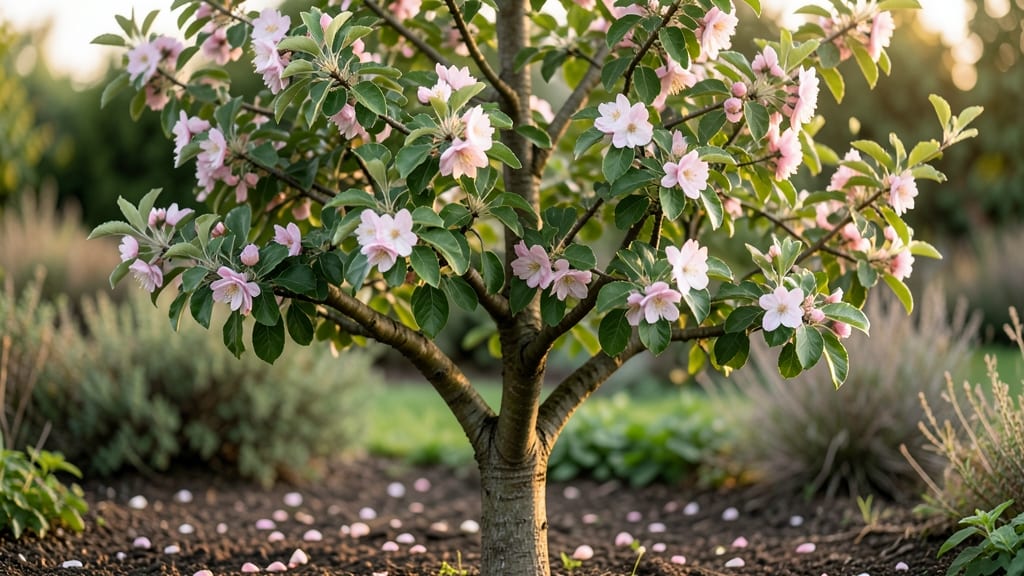
The Fuji apple tree bloom arrives like a pink-hued spring miracle—delicate clusters of blossoms that transform your yard into a humming, buzzing paradise. 🌸 I’ve watched my own Fuji tree go from bare branches to a sea of pink in just two weeks, and it’s nothing short of magical.
The key to this spectacle? Timing, location, and a little extra care to coax those buds into full glory.
Most Fuji trees bloom in late April to early May, but your exact timing depends on your climate zone and winter chill hours. Pruning in late winter (before buds swell) opens the canopy to sunlight, while avoiding heavy pruning in fall prevents stress that can delay blooms.
And here’s the secret: pollination. Fuji trees need another apple variety nearby—like Gala or Honeycrisp—to set fruit, but even without fruit, those blossoms will still steal the show.
Once those pink clusters appear, protect them from late frosts (a hard freeze can kill buds overnight) and keep the soil moist but not soggy. The result? A two-week burst of color that attracts bees, hummingbirds, and even curious neighbors peeking over fences.
My tree’s blooms last longer than any ornamental cherry, and the fragrance lingers for days.
For best results, feed with balanced fertilizer in early spring and mulch to retain moisture. If you’re in a warm climate, expect blooms earlier—sometimes as early as March.
The trade-off? Fuji’s late-season fruit ripens perfectly in fall, making the wait worthwhile. Here’s how to keep those blossoms healthy and abundant year after year.
📚 In This Guide
- What you need
- Instructions
- Tips and common mistakes
- Wrapping up and next steps
What you need
- ● Fuji apple tree saplings: 1-3 trees (depending on space; standard spacing is 15-20 ft apart). Choose Malus domestica 'Fuji' varieties from reputable nurseries.
- ● Well-draining soil: Test pH (ideal: 6.0-7.0). Amend with compost (5-10 lbs per tree) if needed.
- ● Organic fertilizer: 10-10-10 or balanced NPK (1 lb per tree, applied in early spring).
- ● Mulch: 2-3 inches of wood chips or straw (helps retain moisture and regulate soil temp).
- ○ Drip irrigation system: Optional but recommended for consistent watering (1-2 gallons per tree daily during bloom).
- ● Garden trowel & shovel (for planting and soil prep).
- ● Pruning shears (sterilized, for shaping and deadwood removal).
- ● Watering can or hose (with adjustable nozzle for gentle watering).
- ● Gloves & long sleeves (to protect from thorns and sap).
- ○ Soil pH test kit (optional but helpful for precision).
- ● Sunlight: Full sun (6+ hours daily). Choose a south-facing spot if possible.
- ● Space: Minimum 15 ft between trees (or 20 ft for larger varieties).
- ● Pollination partners: Plant a second Fuji tree (or a compatible variety like Gala or Honeycrisp) within 50 ft for fruit production.
- ● Patience: Fuji trees take 3-5 years to bloom fully but reward with vibrant pink flowers and sweet fruit! 🍎
Step-by-Step guide to encouraging Fuji apple tree blooms
Here's how I coax vibrant pink blossoms from Fuji apple trees—nature's spring showstopper.
🌱 Step 1: Prune for Airflow and Light
Start in late winter before buds swell. Remove any dead, crossing, or inward-growing branches with clean, sharp pruners. I aim to create an open center that lets sunlight reach all branches—this prevents crowded buds that fail to bloom. Cut just outside the branch collar where the branch meets the trunk, leaving no stubs.
Focus on thinning rather than topping. You'll see healthy buds clustered along last year's growth—these are your future blooms. Remove only branches that block light or air circulation. The goal is 6-8 main scaffold branches spaced evenly around the trunk.
☀️ Step 2: Provide Full Sun and Proper Nutrition
Fuji trees need 6-8 hours of direct sun daily for optimal blooming. If your tree gets less, supplement with a south-facing exposure or move potted trees closer to a sunny wall. I've seen trees in partial shade still bloom, but the flowers will be fewer and less vibrant.
Feed with 10-10-10 fertilizer in early spring when buds begin to swell. Apply ½ cup per year of tree age (up to 2 cups max) around the drip line, then water deeply. This timing ensures roots can absorb nutrients before new growth demands them. Avoid high-nitrogen fertilizers—they promote leafy growth at the expense of flowers.
💧 Step 3: Water Deeply During Bud Development
Once buds appear in late winter, water deeply every 10-14 days unless rainfall provides 1 inch of moisture. The soil should feel moist 6 inches down—stick your finger in to check. Consistent moisture prevents buds from drying out or splitting, which happens when roots struggle during dry spells.
I like to water in the morning so foliage has all day to dry. Wet buds at night invite fungal diseases like apple scab. If your tree is in a container, water when the top 2 inches of soil feel dry—these dry out faster than ground-planted trees.
⏰ Step 4: Protect Blooms from Late Frost
Fuji apple blossoms are frost-sensitive. Monitor weather forecasts and cover trees with frost cloth when nighttime temperatures drop below 28°F. I drape the cloth loosely over the branches and secure it with stakes—don't let it touch the flowers directly. Remove the cloth during the day to let sunlight warm the tree.
If frost hits after buds open, you'll see browned petals, but the tree often reblooms. For severe frost warnings, consider wrapping the entire tree in burlap or using a tree blanket. The goal is to raise the temperature around the blooms by just a few degrees—sometimes that's enough to save them.
🐝 Step 5: Support Pollinators During Bloom
Fuji trees are self-pollinating but produce more fruit with help from bees. Plant early-blooming perennials like crocus or daffodils nearby to attract pollinators. I also avoid pesticides during bloom time—even natural sprays can harm bees working the flowers.
If your area has few bees, hand-pollinate by gently shaking branches when flowers are fully open. Do this on dry mornings when bees are most active. You'll know pollination is working when you see tiny green fruit set 4-6 weeks after blooming—these will grow into your Fuji apples.
Tips & tricks for vibrant Fuji apple tree blooms
Real talk: Those delicate pink Fuji blossoms don't just happen—they need a little extra love. Here's what I've learned after watching my own trees transform from bare branches to floral masterpieces.
Pruning Precision: When you're thinning branches in Step 1, look for buds that are swollen but haven't yet opened—these are your future blooms. I cut back to just outside the bud cluster, leaving a small "shoulder" of branch tissue. This ensures the bud gets maximum sunlight while still having energy from the parent branch. The open center you create isn't just for aesthetics; it's what lets that spring sunshine reach every bud equally.
Fertilizer Timing: That early spring feeding in Step 2 is non-negotiable, but here's the secret: split your 10-10-10 fertilizer into two applications. Give half when buds first swell, then the second half when you see the first pink hints of blooms. This two-stage feeding prevents a sudden nutrient rush that can cause bud drop. I also mix in a handful of compost around the drip line—it improves soil structure without overwhelming the tree.
Frost Protection Hacks: For Step 4, I've found that stringing up Christmas lights (the warm white kind) around the tree creates a subtle heat buffer when temps dip near 28°F. The lights don't need to be on—just their presence raises ambient temperature by a degree or two. And if you're using frost cloth, prop it up slightly with stakes so it doesn't smother the branches. You want airflow underneath to prevent moisture buildup that could encourage fungal growth.
Pollinator Perks: Beyond just planting crocuses, I've noticed my Fuji trees bloom more prolifically when I add a small dish of water with floating flower petals nearby. The bees are drawn to the scent and moisture, then discover the apple blossoms. It's like creating a bee buffet! Just make sure to refresh the water every few days so it doesn't become a breeding ground for mosquitoes.
Pro Tips for Fuji Apple Tree Bloom
- Real talk: Those delicate pink Fuji blossoms don't just happen—they need a little extra love.
- Pruning Precision: When you're thinning branches in Step 1, look for buds that are swollen but haven't yet opened—these are your future blooms.
- Fertilizer Timing: That early spring feeding in Step 2 is non-negotiable, but here's the secret: split your 10-10-10 fertilizer into two applications.
Frequently asked questions
Got questions about the stunning Fuji apple tree bloom? You’re not alone! Here are some of the most common queries—plus quick answers to help you make the most of this pink-hued spring show.
When do Fuji apple trees typically bloom?
Fuji apple trees usually bloom in late April to early May in most U.S. growing zones (5–8). However, timing depends on your climate—warmer regions may see blooms as early as March, while cooler areas might delay until June. Check your local frost dates to plan ahead!
How long does the Fuji apple bloom last?
The vibrant pink blossoms last about 7–10 days, but this can vary based on weather. Cooler temperatures or rain may shorten the display, while sunny, mild days can extend it. For the best photos and pollinator visits, monitor the weather and enjoy the show daily!
Do Fuji apple trees need another tree for pollination?
Yes! Fuji apple trees are self-unfruitful, meaning they need a pollinator tree—like a Gala or Honeycrisp—within 50 feet to produce apples. Plant two compatible varieties for a thriving orchard. Bonus: The cross-pollination also boosts bloom beauty!
What should I do if my Fuji apple tree isn’t blooming?
Several factors could be at play: age (young trees may take 2–3 years to bloom), pruning timing (avoid heavy cuts in late winter), or poor health (check for pests/disease). Ensure it gets 6–8 hours of sun and well-draining soil. If needed, consult a local extension office for a diagnosis.
Can I eat the apples from a Fuji tree used just for blooms?
While Fuji trees are prized for their sweet, crisp fruit, they need pollination to produce apples. If you’ve planted a pollinator nearby, you’ll get a harvest in late summer to fall. Just be patient—it takes about 4–5 months from bloom to ripe fruit!
Pro Tip:
Want to extend your Fuji bloom? Thin out dense branches in late winter to improve airflow, and avoid over-fertilizing with high-nitrogen feeds—this can delay flowering. A balanced 10-10-10 fertilizer in early spring keeps things in check!
Wrapping up and next steps
The Fuji apple tree bloom is more than just a burst of pink—it’s a celebration of nature’s beauty and a promise of sweet rewards to come. 🌸 Whether you’re a gardener, a nature lover, or simply someone who adores spring’s fleeting magic, this spectacle reminds us to slow down and savor the moment.
Now that you’re armed with tips and answers, why not plant your own Fuji apple tree or visit a local orchard to witness the bloom firsthand?
Take the next step—share the joy by inviting friends to experience this pink-hued wonder with you! 🍎✨