
Trees
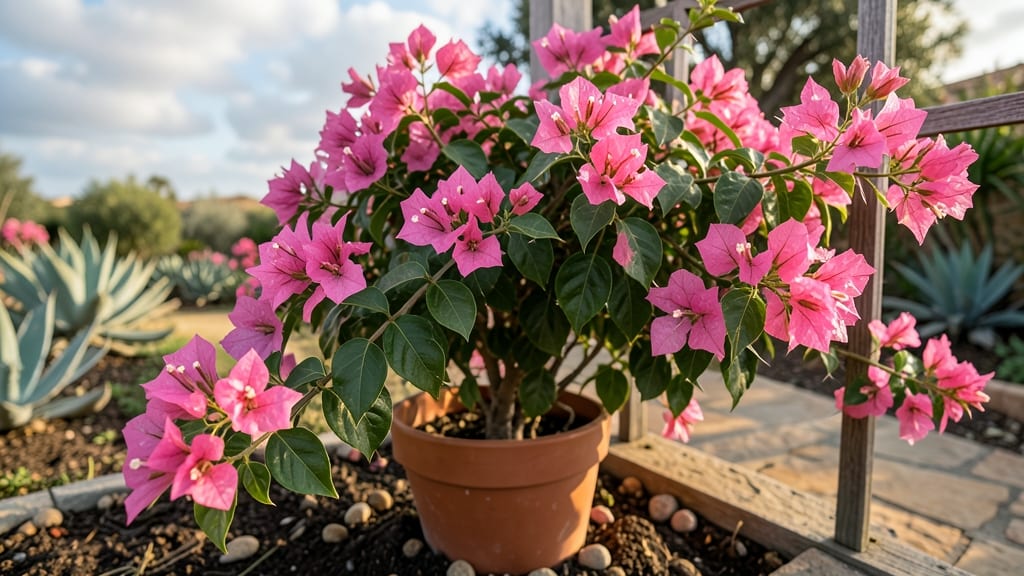
A tropical tree with pink flowers turns any garden into a dreamy escape. 🌺 These showstoppers—like frangipani, hibiscus, and bougainvillea—bring bold color and fragrant charm that lasts all year in warm climates.
I fell for their lush canopies after my first visit to a Hawaiian garden, where they framed every path with soft pink clouds. They thrive in full sun with well-draining soil, making them perfect for patios, borders, or even large containers.
My bougainvillea now drapes my balcony in cascading pink, while frangipani trees anchor my tropical-themed garden bed. The key? Consistent watering and occasional pruning to encourage bushier growth.
Imagine your garden in spring: velvety petals catching morning light, bees humming between branches, and that intoxicating floral scent lingering in the air. These trees aren’t just plants—they’re living art pieces that transform spaces into romantic retreats. For cooler climates, opt for container-grown specimens you can winter indoors.
Pair them with tropical companions like bird-of-paradise or colorful ferns to amplify the whimsical vibe. Here’s how to make them the stars of your outdoor vision!
📚 In This Guide
- What you need
- Instructions
- Tips and common mistakes
- Wrapping up and next steps
What you need
- ● Tropical Tree Variety: 1–3 Hibiscus rosa-sinensis (Chinese hibiscus) or Plumeria rubra (frangipani) saplings (pink-flowering varieties)
- ● OR Seeds or cuttings (if propagating from scratch)
- ● Soil: 5–10 gallons of well-draining tropical potting mix (or garden soil amended with perlite/vermiculite for outdoor planting)
- ○ Optional: Slow-release fertilizer (e.g., 10-10-10 NPK blend, 1–2 tbsp per plant)
- ● Container or Planting Site: For containers: 1–2 large pots (12–18 inches in diameter) with drainage holes
- ● For in-ground: A sunny spot with at least 6+ hours of direct sunlight daily
- ● Tools: Trowel or shovel (for transplanting)
- ● Gloves (to protect hands from thorns or soil)
- ● Watering can or hose with a gentle spray nozzle
- ● Pruning shears (for shaping and maintenance)
- ● Mulch (e.g., pine bark or coconut coir) to retain moisture and regulate soil temperature
- ● Epsom salt (1 tbsp/month in water) for magnesium boost (especially for yellowing leaves)
- ● Humidity tray or pebble tray (if indoors or in dry climates)
- ● Stakes or trellis (for young trees needing support)
- ● Pink flower food (liquid fertilizer) to enhance blooms (e.g., Miracle-Gro Bloom Booster)
How to cultivate and maintain vibrant tropical tree pink flowers
Here's how to create a lush, year-round display of these showstopping blooms—no green thumb required.
🌱 Step 1: Select the Right Variety for Your Climate
Choose a tropical tree pink flower species suited to your hardiness zone. Tabebuia (pink trumpet tree) thrives in zones 9-11, while Lagerstroemia (crape myrtle) handles zones 7-10. Both produce stunning pink blooms but have different light and temperature preferences. I always check the USDA zone map before purchasing—planting the wrong variety in cold climates means winter dieback.
For container growing, opt for dwarf varieties like Tabebuia impetiginosa 'Alba' or Lagerstroemia 'Natchez'. These stay compact enough for patios but still deliver dramatic blooms. If your zone dips below 7°F, overwinter containers in a garage with unheated protection or dig them up and store roots in dry peat moss.
☀️ Step 2: Plant in Full Sun with Well-Draining Soil
Tropical pink trees demand at least 6 hours of direct sunlight daily—more is better, especially in cooler zones. A south-facing exposure delivers the brightest blooms, while east or west works in warmer climates. I've seen leggy, sparse flowering when trees get only morning sun, so prioritize the sunniest spot in your landscape.
Amend heavy clay soil with 3-4 inches of compost and a handful of perlite to improve drainage. These trees hate soggy roots, which leads to root rot and leaf drop. If planting in containers, use a mix of 60% potting soil, 20% perlite, and 20% orchid bark. The bark mimics their natural airy, well-draining forest floor habitat.
💧 Step 3: Water Deeply and Infrequently
Newly planted trees need 1-2 gallons of water weekly during the first year, but established specimens thrive with deep watering every 10-14 days. Stick your finger 3 inches into the soil—if it feels dry, water thoroughly until it runs out the drainage holes. Overwatering causes more problems than underwatering, so resist the urge to check daily.
Mulch around the base with 2-3 inches of wood chips, keeping mulch 6 inches away from the trunk to prevent rot. This conserves moisture, regulates soil temperature, and discourages weeds. In containers, water when the top 1 inch of soil feels dry—small pots dry out faster than in-ground plantings.
✂️ Step 4: Prune for Shape and Encourage Blooms
Prune immediately after flowering in late spring to shape the tree and remove dead wood. Use clean, sharp pruners to make cuts just above a leaf node or bud. I avoid heavy pruning in fall—it stimulates new growth that won't harden off before winter. For container-grown trees, prune lightly in early spring to encourage bushier growth before the blooming season.
Remove any suckers or water sprouts that appear at the base or along branches. These divert energy from flowering. If your tree produces fewer blooms than expected, it may need more sunlight or fertilizer. Apply a balanced 10-10-10 fertilizer in early spring and again after flowering, following label rates for your tree's size.
⏰ Step 5: Protect in Cold Climates and Prepare for Winter
In zones colder than 7, wrap the trunk and branches with burlap or frost cloth once temperatures drop below 32°F. Water deeply before the first frost to ensure roots have moisture for dormancy. I've seen trees survive 15°F with proper protection, though extreme cold may still cause leaf damage—new growth emerges quickly in spring.
For container trees, move them to a sheltered location like a garage or under an eave before the first frost. Keep them slightly shaded and check soil moisture monthly—containers dry out faster in winter. In spring, resume regular care once nighttime temperatures stay above 40°F consistently.
Tips & tricks for cultivating stunning tropical pink trees
These simple yet game-changing strategies will help you transform your garden into a year-round pink paradise.
Climate-Smart Selection: When choosing between Tabebuia and Lagerstroemia, consider your specific microclimate. I've found that Tabebuia handles humidity beautifully in coastal zones, while Lagerstroemia thrives in drier inland areas. For container growing, the dwarf varieties mentioned are my go-to—they're tougher than they look and handle temperature fluctuations better than standard sizes.
Soil Science Matters: The 60-20-20 soil mix for containers isn't just arbitrary—it mimics the airy, well-draining conditions these trees prefer in their native tropical forests. If you're planting in-ground, that 3-4 inches of compost isn't optional—it's the difference between vibrant blooms and struggling plants. I've seen trees in heavy clay soil produce half as many flowers because their roots can't breathe properly.
Watering Wisdom: The "stick your finger 3 inches deep" test is foolproof, but here's what nobody tells you: Morning watering is always better than evening. Wet leaves at night invite fungal problems, and these tropical beauties hate soggy conditions. I water mine at 8 AM sharp and notice fewer yellowing leaves as a result. For containers, that 1-inch dry test is your golden rule—small pots dry out faster than you'd think.
Pruning Pro Tips: Timing is everything when pruning these trees. That late spring timing after flowering isn't just about shaping—it gives the tree time to recover before winter. I always sanitize my pruners with rubbing alcohol between cuts to prevent disease spread. And here's a secret: The suckers you remove? Those can be rooted and grown into new plants—free propagation!
Pro Tips for Tropical Tree Pink Flowers
- These simple yet game-changing strategies will help you transform your garden into a year-round pink paradise.
- Climate-Smart Selection: When choosing between Tabebuia and Lagerstroemia, consider your specific microclimate.
- Soil Science Matters: The 60-20-20 soil mix for containers isn't just arbitrary—it mimics the airy, well-draining conditions these trees prefer in their native tropical forests.
Frequently asked questions
Got questions about nurturing tropical trees with those dreamy pink blooms? You’re not alone! Here are answers to the most common queries—so you can keep your garden vibrant and thriving.
What’s the best time to plant a tropical tree with pink flowers?
Plant during the early spring or late summer for optimal root establishment. Avoid extreme heat or frost—these tropical beauties (like the Bougainvillea or Hibiscus) thrive in warm soil (60–70°F). If planting in containers, use well-draining soil and place them in partial shade until established.
How often should I water a tropical tree with pink flowers?
Water deeply 2–3 times per week during hot months, but adjust for your climate. Let the top 1–2 inches of soil dry out between waterings to prevent root rot. Mulch around the base (2–3 inches) to retain moisture. Overwatering is a common mistake—yellow leaves? You might be overdoing it!
Can I grow these trees indoors, or do they need outdoor conditions?
Most tropical pink-flowering trees (like Plumeria or Allamanda) prefer outdoor warmth, but some dwarf varieties (e.g., Bougainvillea ‘San Diego Red’) can thrive indoors near bright, south-facing windows. Use a grow light in winter and keep humidity high with a pebble tray.
Why aren’t my tropical pink flowers blooming? Troubleshooting tips!
Not enough light?
Move to a sunnier spot (6+ hours of direct sun).
Over-fertilizing?
Too much nitrogen = leafy growth, no flowers. Use a balanced bloom booster (10-10-10) in spring.
Stress from transplant shock?
Wait 4–6 weeks before heavy pruning or fertilizing.
Cold drafts or pests?
Check for aphids or spider mites and treat with neem oil.
Pro tip: Some trees (like Hibiscus) need a winter rest period—reduce watering and trim dead blooms to encourage spring reblooms!
What are some low-maintenance alternatives to high-upkeep tropical pink trees?
If you want easy-care pink blooms, try:
- Portulaca (Moss Rose) – Drought-tolerant annual with vibrant pink flowers.
- Duranta (Golden Dewdrop) – Hardy shrub with clusters of pink blooms (USDA Zones 9–11).
- Lantana – Heat-loving perennial with colorful, long-lasting flowers.
These options still deliver that tropical vibe with less fuss!
Wrapping up and next steps
Transforming your garden into a vibrant paradise with tropical tree pink flowers isn’t just a dream—it’s a rewarding journey that brings joy year-round! 🌺 These stunning blooms effortlessly elevate any outdoor space, offering both beauty and low-maintenance charm.
Whether you’re a seasoned gardener or just starting, the key is to embrace their unique needs and watch your garden thrive.
Ready to take the next step? Start small—plant a single specimen or experiment with a few varieties to see what flourishes best in your climate. Before you know it, your garden will be bursting with pink perfection, and you’ll be the envy of the neighborhood! 🌿