
Pruning
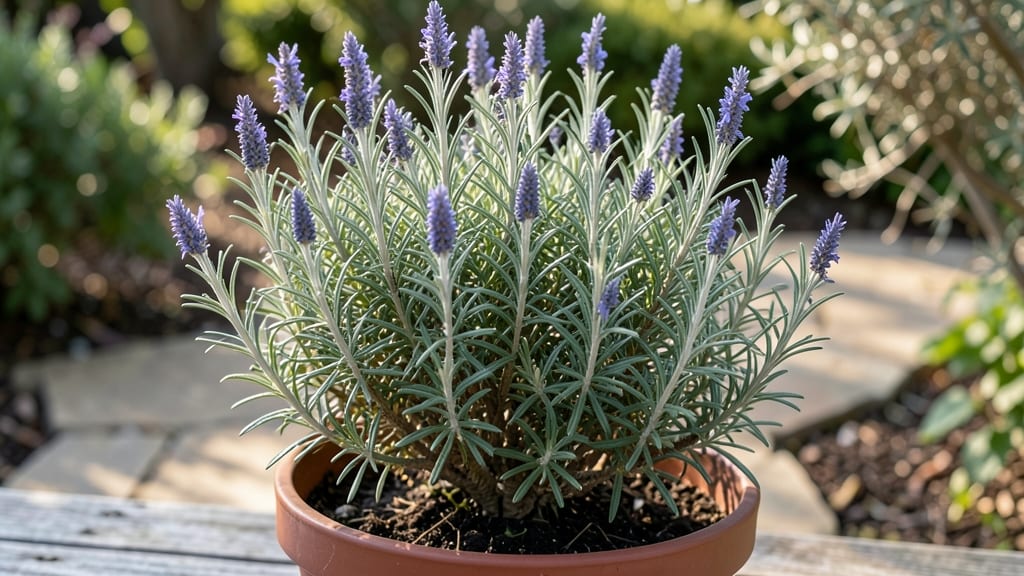
Pruning rosemary into a cone tree with proper rosemary cone tree care transforms it from a scraggly shrub into a fragrant, sculpted masterpiece—one that keeps blooming all season long. 🌿 I’ve shaped mine into a perfect cone over three winters, and the difference in growth, fragrance, and flower production is night-and-day.
The secret isn’t complicated, but timing and technique make all the difference.
Start with full sun (at least 6 hours daily) and well-draining soil—rosemary hates soggy roots. Water deeply but infrequently; let the top inch dry out between soakings. Prune twice a year: once in early spring to shape the cone, and again after flowering to encourage new growth.
Use clean, sharp shears to cut just above a leaf node, never into bare wood.
Your reward? A bushier, denser rosemary that bursts with fragrant blue flowers and stays compact enough to fit on patios or windowsills. The cone shape also makes harvesting easier—just snip the top for fresh sprigs.
With consistent pruning, your rosemary will thrive for years, producing more flowers and leaves than unpruned plants ever could.
Common mistakes? Overwatering (rosemary’s biggest enemy) or pruning too late in the season. If your rosemary looks leggy, it’s time to get aggressive with the shears—just don’t cut into old, bare stems. For best results, prune on a dry, sunny day to reduce stress on the plant.
📚 In This Guide
- What you need
- Instructions
- Tips and common mistakes
- Wrapping up and next steps
What you need
- ● Pruning shears: Bypass pruners (sharp, clean, and with a 4- to 6-inch blade for precision cuts). Disinfect with rubbing alcohol before and after use!
- ● Hand pruners: Smaller 3- to 4-inch blades for delicate trimming (great for tight spaces).
- ● Loppers: For thicker branches (8- to 10-inch blades), though rosemary rarely needs them.
- ● Gloves: Garden gloves (preferably nitrile-coated) to protect from thorns and sap.
- ○ Pruning saw: Optional—only if dealing with woody stems (rare in young rosemary).
- ● Hose or watering can: To rinse tools and refresh the plant post-pruning.
- ● Horticultural oil: For deep cleaning tools and preventing fungal spread.
- ● Plant food: Balanced liquid fertilizer (10-10-10) to nourish after pruning.
- ● Mulch: Organic mulch (like straw or pine needles) to retain moisture and suppress weeds.
- ● Spray bottle: For misting rosemary if your climate is dry post-prune.
- ● Notebook & pen: To jot down pruning notes (e.g., "trimmed 1/3 of height in March").
How to prune a rosemary cone tree for year-round growth
Here's the method I use to keep my rosemary cone trees thriving—bushier, more fragrant, and ready for harvest all year.
✂️ Step 1: Prune for Shape in Early Spring
Start by removing any dead or damaged branches with clean, sharp pruning shears. I cut just above a leaf node where new growth can sprout. This is the best time because rosemary grows most vigorously in spring, and pruning then encourages dense, bushy growth.
Shape your cone tree by trimming back any overgrown branches to maintain its signature upright form. Focus on the outer edges to encourage fuller growth. You'll see new shoots emerging within a few weeks—that's your signal everything is working.
☀️ Step 2: Light Pruning During Summer Growth
Throughout the summer, I do light pruning to maintain the shape and encourage branching. Pinch back the tips of new growth to promote bushier growth rather than long, leggy stems. This is especially important for rosemary cone trees, as they can become top-heavy if not pruned properly.
Watch for any branches that are growing too long or thin—they'll be the ones that need trimming. I like to do this in the morning when the plant is well-hydrated, as it reduces stress on the plant. Avoid heavy pruning in summer, as it can stress the plant before winter.
✂️ Step 3: Heavy Pruning in Late Fall
In late fall, before the first frost, I do a heavier pruning to prepare the rosemary for winter. Cut back about one-third of the plant's height, focusing on the oldest growth. This encourages new, vigorous growth in the spring and prevents the plant from becoming woody and less productive.
Remove any branches that are crossing or rubbing against each other, as these can create wounds that invite disease. I also trim back any branches that are growing inward, as they can block light and air circulation. After pruning, give the plant a good watering to help it recover.
🌱 Step 4: Minimal Pruning in Winter
Winter is the time for minimal pruning. I only remove any dead or damaged branches that appear after the cold months. Avoid heavy pruning in winter, as the plant is already stressed by the cold weather. Instead, focus on keeping the plant healthy and protected from frost.
If your rosemary cone tree is in a container, move it to a sheltered location or bring it indoors if temperatures drop below 20°F. Mulch around the base of the plant to protect the roots from freezing. You'll see new growth starting in early spring, signaling that your pruning efforts paid off.
Tips & tricks for perfect rosemary cone tree pruning
Real talk: Pruning a rosemary cone tree isn't just about cutting back—it's about sculpting a plant that stays lush, fragrant, and productive all year. Here's what I've learned after years of trial and error with my own collection.
Timing is Everything: Spring is your prime window for shaping because rosemary's growth hormones are most active then. That said, don't rush—wait until after the last frost when soil temperatures hit at least 60°F. I've seen plants struggle when pruned too early, so check your local frost dates if you're unsure. The goal is to stimulate new growth while avoiding stress during temperature fluctuations.
The 20°F Rule: That 20°F threshold in winter isn't just arbitrary—it's when rosemary's cellular structure starts freezing. If you're bringing potted trees indoors, monitor your thermostat closely. I keep mine at 55°F in a bright garage during winter months, which prevents dormancy stress while still protecting against freezing. Pro tip: Use a small space heater near the plant if your garage dips below 40°F at night.
Pruning Shear Selection: I've tried everything from cheap kitchen scissors to expensive bypass pruners, and here's the deal: Use bypass pruners with a 5-inch blade for anything thicker than a pencil. The clean cut prevents tearing that leads to disease entry points. For finer trimming, I keep a pair of sharp concave cutters handy—they create perfect angles that encourage water runoff and prevent rot.
Seasonal Growth Hack: In Step 2, when you're doing light summer pruning, focus on removing branches that are growing at angles wider than 45 degrees from the trunk. These "water sprouts" drain energy from your cone shape. I also make it a habit to trim just above a set of leaves rather than at a bare stem—this encourages bushier regrowth from the leaf axils rather than sparse new shoots.
Pro Tips for Rosemary Cone Tree Care
- Real talk: Pruning a rosemary cone tree isn't just about cutting back—it's about sculpting a plant that stays lush, fragrant, and productive all year.
- Timing is Everything: Spring is your prime window for shaping because rosemary's growth hormones are most active then.
- The 20°F Rule: That 20°F threshold in winter isn't just arbitrary—it's when rosemary's cellular structure starts freezing.
Frequently asked questions
Got questions about keeping your rosemary cone tree thriving? Here are answers to the most common ones—because even the best pruners need a little guidance!
How often should I prune my rosemary cone tree?
Prune your rosemary cone tree lightly every 3–4 months to encourage bushier growth. For hard pruning (cutting back ⅓ of the plant), do it once a year in early spring before new growth begins. Avoid heavy pruning in fall or winter, as it stresses the plant.
Can I prune my rosemary cone tree in winter?
Winter is not ideal for pruning—rosemary is semi-dormant and more vulnerable to cold damage. If you must trim, do it mildly in late winter (just before the first signs of spring growth). Wait until spring for heavy pruning to avoid stunting new growth.
Why is my rosemary cone tree turning brown after pruning?
Brown tips after pruning are usually normal—it’s the plant’s way of sealing cuts. However, if large branches turn brown and feel mushy, you’re overwatering. Rosemary hates soggy roots! Ensure it’s in well-draining soil and water only when the top inch is dry.
What’s the best alternative if my rosemary cone tree isn’t thriving?
If your rosemary struggles in your climate, try upright rosemary varieties like ‘Arp’ or ‘Hill Hardy,’ which handle cooler temps better. For a similar look, consider lavender or olive trees—though neither has the same fragrant appeal!
Should I remove woody stems from my rosemary cone tree?
Yes! Woody stems (thick, bare branches) never regrow. Snip them off at the base in early spring to redirect energy to newer, leafier growth. Use clean, sharp shears to avoid tearing. Pro tip: Never let woody stems make up more than ⅓ of the plant!
Wrapping up and next steps
Caring for your rosemary cone tree is all about patience, precision, and a little love! 🌿 With the right pruning techniques—like shaping in early spring and trimming spent blooms—you’ll reward yourself with a lush, fragrant plant that thrives year-round.
Remember, consistency is key, and soon your rosemary will be the star of your garden or kitchen.
Ready to see your rosemary flourish? Grab your shears and start pruning today! For extra tips, check out our guide on rosemary propagation—because why stop at one stunning plant?