
Pruning
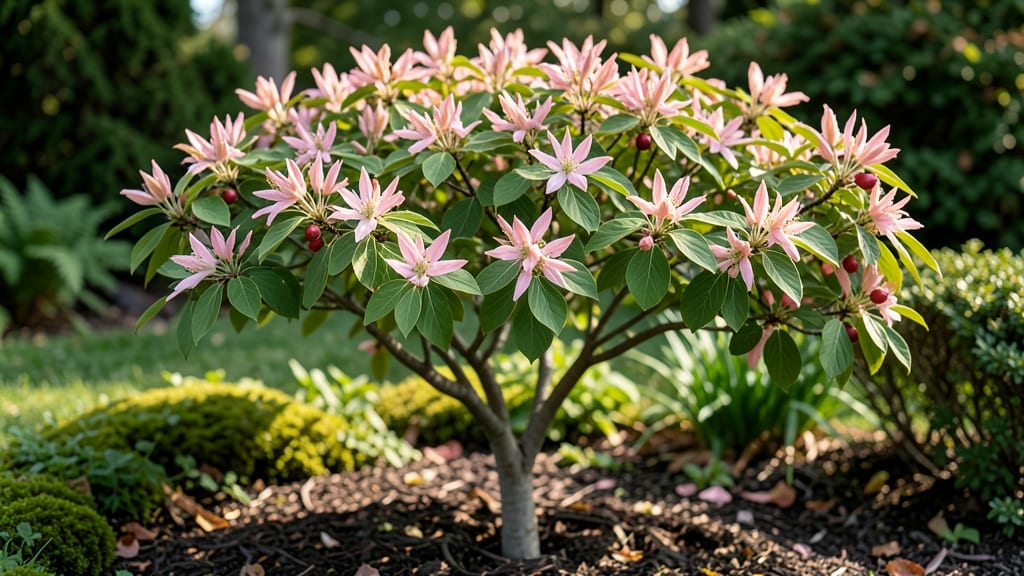
Pink dogwood tree images steal the show in spring with their blush-pink blooms that feel like nature’s own confetti. 🌸 I’ve seen them transform a dull corner into a showstopper—whether as a standalone star or paired with azaleas for a soft, romantic border.
The way they catch morning light makes every garden feel like a postcard.
These trees aren’t just pretty—they’re four-season performers. Bright pink buds in late winter, lush green foliage in summer, fiery red berries in fall, and even winter interest with their peeling bark.
Designers love them for their versatility: plant them as a focal point near patios, line a driveway for curb appeal, or nestle them between shrubs for layered texture.
Pair them with white hydrangeas for contrast or boxwoods for structure, and watch your garden glow. The blooms even attract hummingbirds, turning your yard into a living postcard. I’ve styled mine as a backyard accent—imagine sipping tea under those cascading flowers!
Perfect for small yards or large landscapes, dogwoods bring drama without the fuss. Let’s make your garden the envy of the neighborhood—one bloom at a time.
📚 In This Guide
- What you need
- Instructions
- Tips and common mistakes
- Wrapping up and next steps
What you need
- ● Pruning Tools: Bypass pruners (sharp, clean, and well-oiled)
- ● Loppers (for thicker branches, 16–20-inch handles)
- ● Pruning saw (for large branches, curved blade)
- ● Safety Gear: Work gloves (cut-resistant)
- ● Safety goggles
- ● Long sleeves/pants (to protect from thorns)
- ● Cleanup Supplies: Heavy-duty trash bags (2–3)
- ● Disinfectant spray (70% isopropyl alcohol or bleach solution)
- ● Rake (for clearing debris)
- ○ Photography Gear (Optional but Recommended): DSLR or mirrorless camera (with macro lens for close-ups)
- ● Tripod (for steady shots)
- ● External flash or reflector (to enhance color)
- ● Memory card (32GB+ for high-res images)
- ● Check the tree’s health—avoid pruning if it’s stressed or diseased.
- ● Prune on a dry, overcast day (reduces sap flow and stress).
- ● Know your tree’s bloom cycle—pink dogwoods flower in early spring before leaves emerge.
- ● Have a clear plan for shots: wide-angle, close-ups, and seasonal progression.
How to photograph the seasonal beauty of pink dogwood trees
Capture the stunning transformation of pink dogwood trees year-round with these simple techniques.
📸 Step 1: Scout Locations for Best Lighting
Pink dogwoods shine brightest in soft, diffused morning light—especially during bud break in early spring or full bloom in late spring. I always scout locations at least a week before my shoot to check for nearby trees casting harsh shadows. A north-facing angle often eliminates unwanted glare while keeping the vibrant pink flowers as the focal point.
Look for dogwoods with clean, unobstructed backgrounds—open meadows or simple wooded edges work best. Avoid areas with competing foliage that might distract from the tree's delicate blooms. Bring a small notebook to sketch potential compositions; I jot down notes like "early morning light" or "dappled shade" to remember the best times to return.
☀️ Step 2: Time Your Shots for Peak Seasonal Moments
Each season offers a unique look for pink dogwoods. For bud break in late winter/early spring, photograph when the tight buds first swell and turn pink—this happens about 2-3 weeks before full bloom. In full bloom (late spring), shoot when most flowers are open but before they start dropping petals. For fall foliage, wait until leaves turn deep red or purple, usually 4-6 weeks after summer's end.
I set a calendar reminder for these key windows because dogwoods change rapidly. On overcast days, the soft light enhances the pink hues without harsh shadows. If you're shooting in full sun, use a polarizing filter to deepen the colors and reduce glare on the petals.
🌿 Step 3: Frame Shots to Highlight Texture and Color
Pink dogwoods have layered textures—smooth bark, delicate petals, and glossy leaves. I often photograph the bark up close first, using a macro lens to capture its intricate patterns. Then I step back to include the full tree, framing it with natural elements like surrounding foliage or a winding path.
For wide shots, I use the rule of thirds to place the tree's trunk along one vertical line, leaving space for the sky or ground. In tight buds or fallen petals, I focus on the center of the lens to create sharp, detailed images. Always check the background for unwanted distractions—even a stray branch can ruin a composition.
⏰ Step 4: Capture Movement and Details Over Time
Dogwoods don't stay still—petals flutter in the breeze, leaves rustle, and light shifts throughout the day. I take a series of shots at different times to document these changes. For bloom progression, photograph the same tree every 2-3 days to show how quickly flowers open and fade. For fall color shifts, return weekly to capture the leaf transformation from green to red.
Include details like fallen petals, new growth, or wildlife interactions (birds perched on branches or bees visiting flowers). These close-ups add depth to your collection and tell the full story of the tree's seasonal journey. I always shoot in RAW format to preserve maximum detail for editing later.
💡 Step 5: Edit for Vibrant, Natural Colors
Pink dogwoods look best with vibrant but natural colors. I start by adjusting the white balance to remove any unnatural tints, then boost the saturation slightly (10-15%) to enhance the pink hues. For shadow areas, I carefully increase exposure just enough to reveal details without losing the tree's natural contrast.
Use a selective sharpening tool to enhance the petals and bark texture while keeping the background softly blurred. Avoid over-editing—dogwoods should look fresh, not overly processed. I save a before-and-after comparison to remind myself of the tree's true beauty. For seasonal collections, maintain consistent editing styles so the progression looks natural.
Tips & tricks for capturing pink dogwood tree beauty
These pro techniques will help you elevate your dogwood photography from good to breathtaking.
Lighting is Everything: The soft morning light during bud break (2-3 weeks before full bloom) is your golden window. I scout locations at least a week ahead to check for harsh shadows—north-facing angles work best. For overcast days, the diffused light actually enhances the pink hues without creating unflattering glare.
Seasonal Timing Secrets: Dogwoods change rapidly, so mark your calendar for these key moments: bud break (late winter/early spring), full bloom (late spring), and fall foliage (4-6 weeks after summer's end). I set reminders because missing these windows means missing the most dramatic colors. Pro tip: Return every 2-3 days during bloom progression to capture the full transformation.
Composition Game-Changer: Use the rule of thirds for wide shots by placing the tree's trunk along one vertical line, leaving space for the sky or ground. For close-ups of bark or petals, focus on the center of your lens to maximize sharpness. I always check backgrounds for distractions—even a stray branch can ruin an otherwise perfect shot.
Editing Without Overdoing It: When editing, boost saturation only 10-15% to keep colors natural. Use selective sharpening to enhance petals and bark texture while keeping backgrounds softly blurred. I save before-and-after comparisons to remind myself not to over-process—dogwoods should look fresh, not artificial.
Pro Tips for Pink Dogwood Tree Images
- These pro techniques will help you elevate your dogwood photography from good to breathtaking.
- Lighting is Everything: The soft morning light during bud break (2-3 weeks before full bloom) is your golden window.
- Seasonal Timing Secrets: Dogwoods change rapidly, so mark your calendar for these key moments: bud break (late winter/early spring), full bloom (late spring), and fall foliage (4-6 weeks after summer's end).
Frequently asked questions
Got questions about those stunning pink dogwood trees? Here are some of the most common queries—plus quick answers to help you make the most of their seasonal splendor!
When is the best time to see pink dogwood trees in full bloom?
The peak bloom for pink dogwood trees typically occurs in late spring—usually between April and early May, depending on your region. Warmer climates may see blooms as early as March, while colder areas might push it to June. For the best photos, check local bloom reports or visit in late April for the most vibrant displays!
Can I plant a pink dogwood tree in my yard? What care does it need?
Pink dogwoods thrive in partial shade to full sun and prefer well-draining, slightly acidic soil. Water deeply after planting, then regularly during dry spells. Mulch around the base to retain moisture, and prune in late winter or early spring to remove dead branches. They’re low-maintenance once established—just avoid overwatering!
How can I get the best photos of pink dogwood trees?
For show-stopping images, shoot during golden hour (early morning or late afternoon) when light enhances the pink hues. Use a wide-angle lens to capture the full tree or zoom in on close-ups of blooms. Include contrasting elements like foliage, water, or a rustic fence to add depth. Pro tip: Edit photos in a warm tone to highlight the pink!
What should I do if my pink dogwood isn’t blooming?
Lack of blooms can stem from over-pruning, poor sunlight, or nutrient deficiencies. Ensure your tree gets 4+ hours of sunlight daily and fertilize in early spring with a balanced, acid-loving plant food. Avoid heavy pruning—only trim dead or crossing branches. If issues persist, test soil pH (ideal: 5.0–6.0) or consult a local arborist.
Are there alternatives to pink dogwood trees for shade and color?
If pink dogwoods aren’t the right fit, consider these stunning alternatives:
- Redbud Tree – Vibrant pink-purple blooms in early spring.
- Eastern Red Cedar – Evergreen with blue-green foliage and berries.
- Serviceberry – White flowers, edible berries, and fall color.
- Japanese Maple – Delicate pink or red foliage year-round.
Wrapping up and next steps
The pink dogwood tree is a stunning symbol of spring’s arrival, offering seasonal beauty that transforms from delicate buds to vibrant blooms. Whether you’re admiring its graceful form or planning your own pruning routine, this tree brings joy and elegance to any landscape. 🌸
Now that you’re inspired, why not take the next step? Share your favorite pink dogwood images on social media with #DogwoodSeason or visit a local nursery to add one to your garden. The magic of nature is waiting—go make it bloom! 🌿