
Pruning
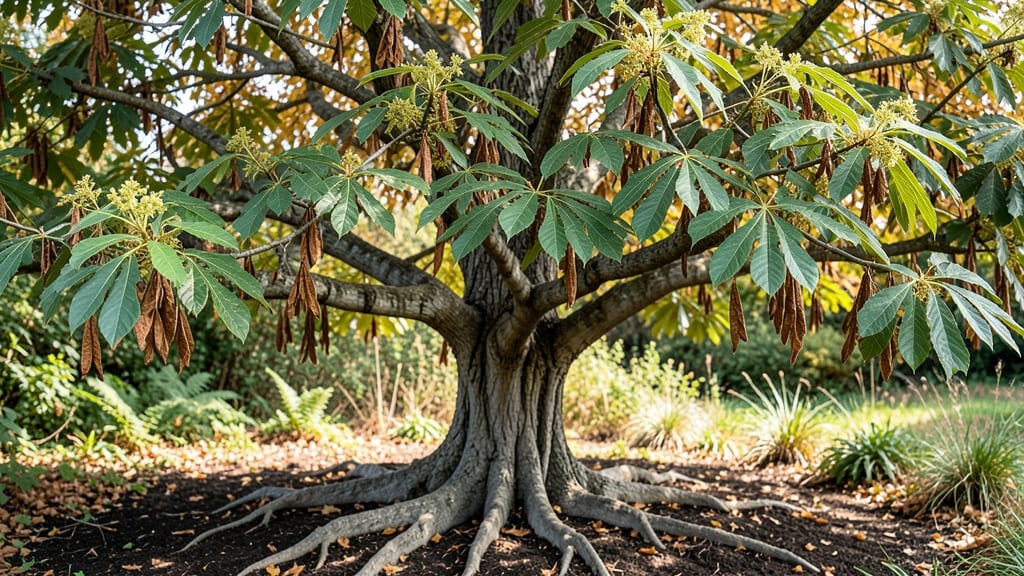
Winter pruning your Tree of Heaven (Ailanthus altissima) can transform it from an unruly mess into a manageable, healthier specimen by spring. 🌿 This invasive tree drops its leaves early, leaving stark branches that beg for a strategic cut—but timing and technique matter more than you might think.
I’ve pruned mine for three winters now, and the difference in growth control is night-and-day.
The key is working after leaf drop but before new buds swell, usually between late January and early March in most cold climates. Grab your loppers and focus on removing dead, crossing, or weak branches first—these are the ones choking your tree’s energy.
Avoid heavy pruning; even this tough tree can react poorly to over-trimming, leading to pest invasions or stunted growth.
What you’ll end up with is a tree that sprouts fresher, stronger in spring and resists those pesky blight spots that plague overgrown specimens.
The pruned branches also make great firewood (if you’re so inclined), and the open canopy lets more light reach the base—where mulch can really work its magic against winter stress.
For cold climates, wrap cuts with tree sealant if they’re larger than 2 inches in diameter, and avoid pruning if temperatures dip below 20°F—the sap can freeze, causing further damage.
Pro tip: Mark branches you’re unsure about with flagging tape before cutting; you’ll thank yourself when you see how much better the tree looks by summer.
📚 In This Guide
- What you need
- Instructions
- Tips and common mistakes
- Wrapping up and next steps
What you need
- ● Pruning shears: Bypass pruners (sharp, 6–8" blades) for clean cuts on small branches (1" diameter or less). Anvil pruners are a budget-friendly backup.
- ● Loppers: Bypass-style loppers (18–24" handles) for branches 1.5–3" thick. Look for ratcheting models for extra leverage.
- ● Pruning saw: Curved-tooth handsaw or folding pruning saw for branches 3" and thicker. Spec: 8–10" blade with non-serrated teeth to avoid tearing bark.
- ○ Extension pole: 10–15 ft telescoping pole with a saw or loppers attachment for high branches (optional but highly recommended for safety).
- ● Work gloves: Heavy-duty, cut-resistant gloves (e.g., Mechanix Wear or Tough Outdoors) to protect hands from thorns and splinters.
- ● Safety gear: Safety glasses (ANSI-rated) to shield eyes from debris.
- ○ Ear protection (optional) if using a chainsaw for large branches.
- ● Non-slip boots or work shoes with ankle support.
- ● Disinfectant: 70% isopropyl alcohol or bleach solution (1 part bleach to 9 parts water) to sterilize tools between cuts (prevents disease spread).
- ● Cleanup supplies: Heavy-duty trash bags (2–3) for debris.
- ● Rake or leaf blower for clearing small twigs.
- ● Ladder: Sturdy, extension ladder (rated for your height + 3 ft overhang) with non-slip feet. Pro tip: Use a ladder stabilizer for windy days! ⚡
- ● Tree wrap: Plastic tree guard (for young trees) to protect bark from voles or sunscald after pruning.
- ● Marking spray: White or pink spray paint to mark branches for removal (great for large trees or team pruning).
- ● First-aid kit: Include antiseptic wipes and bandages for minor cuts or scrapes.
- ● Pruning sealant: Wound dressing (e.g., Tanglefoot Tree Wound Pruning Seal) for large cuts (controversial—skip if unsure; research shows it’s often unnecessary!).
- ● Timing: Prune during dormant season (late fall to early spring, before buds swell). Ideal temps: 40–50°F (avoid freezing or rainy days).
- ● Weather check: Ensure skies are clear and winds are calm (Tree of Heaven branches can be heavy when wet!).
- ● Tree health: Only prune if the tree is healthy (no signs of Ailanthus webworm infestation or disease).
- ● Local regulations: Check if your area requires a permit for large tree removal (even pruning may apply!).
Step-by-step guide to pruning tree of Heaven in winter
Winter's the perfect time to shape this fast-growing tree—here's how to do it right.
✂️ Step 1: Choose the Right Tools and Timing
Grab a pair of bypass pruners (for branches up to ½ inch thick) and loppers (for thicker branches) before you start. I always sterilize my tools with 70% rubbing alcohol to prevent spreading disease between cuts. Winter pruning works best when the tree is dormant, between mid-December and early March, when temperatures stay above 20°F but below 45°F—this prevents stressing the tree.
Look for dead, diseased, or crossing branches first. These are your priority cuts—they won't sprout back and will improve airflow through the canopy. I mark them with a piece of twine or flagging tape so I don’t miss any. Avoid pruning on windy days; the tree will lose too much moisture through open wounds.
✂️ Step 2: Remove Dead and Problem Branches First
Start at the outermost branches and work your way inward. Cut just outside the branch collar (the swollen area where the branch meets the trunk) at a 45-degree angle. This ensures the wound heals faster and reduces the risk of rot. If a branch is thicker than 2 inches, make a 3-step cut—first undercut, then top cut, and finally remove the stub.
Watch for suckers (shoots growing from the base or roots) and remove them completely. These saplings drain energy from your tree. I dig around the base with a trowel to expose and cut any underground suckers at ground level. Don’t forget to check the underside of branches for hidden deadwood—it’s often missed but critical for long-term health.
✂️ Step 3: Thin the Canopy for Better Airflow
Step back and visualize the tree’s shape. Remove 1 in 4 branches to open up the center, allowing sunlight and air to circulate. Focus on branches growing inward or rubbing against others—these compete for resources and create weak points. I like to leave strong, outward-facing branches to maintain a natural, balanced silhouette.
If the tree is overgrown, never remove more than 25% of the canopy in one season. Tree of Heaven recovers well, but aggressive pruning can shock it. You’ll see new growth in early spring—this is your cue that the tree is healing. Avoid heavy pruning if the tree shows signs of stress, like yellowing leaves or oozing sap from cuts.
✂️ Step 4: Shape and Clean Up
Now’s the time to refine the tree’s form. Use your loppers to shorten overly long branches by cutting back to a bud or lateral branch. This encourages bushier growth next season. For a more formal look, I prune branches to create horizontal layers, but a natural, slightly irregular shape works just as well.
After pruning, collect and dispose of all debris—especially branches with signs of disease. Tree of Heaven can harbor pests like spotted lanternfly, so I burn or bag the clippings to prevent spread. Finish by watering deeply (about 1 gallon per inch of trunk diameter) to help the tree recover. Mulch around the base with 2-3 inches of organic mulch to retain moisture and regulate soil temperature.
⏰ Step 5: Monitor and Maintain Through Spring
In early spring, check for new shoots where you made cuts. These indicate healthy regrowth. If you notice excessive dieback or pale leaves, the tree may need extra care—apply a balanced fertilizer (like 10-10-10) in early April to support recovery. Avoid heavy pruning again until next winter unless you see new problems.
I always keep a pruning journal to track cuts and note any issues. This helps me spot patterns over time, like if certain branches keep dying or if the tree responds poorly to heavy trimming. With consistent care, your Tree of Heaven will stay strong, healthy, and beautiful for years.
Tips & tricks for perfect tree of Heaven winter pruning
Here's what nobody tells you about winter pruning—details that make all the difference between a healthy tree and one that struggles.
Timing is Everything: The mid-December to early March window is non-negotiable for Tree of Heaven. I learned this the hard way after pruning too early in December—branches froze and died back. When temperatures dip below 20°F, the tree's defenses shut down completely, making it vulnerable. If you're in a warmer climate, aim for the coldest part of winter when nights stay above 20°F but days don't exceed 45°F. This balance prevents stress while keeping the tree dormant enough to heal properly.
Branch Collar Matters: That swollen area where branches meet the trunk isn't just decoration—it's the tree's natural healing mechanism. Cutting just outside the branch collar at a 45-degree angle (as mentioned in Step 2) creates a bevel that sheds water better, preventing rot. I've seen pruners cut flush with the trunk, which creates perfect entry points for disease. For thicker branches, that 3-step cutting technique isn't just recommended—it's essential to prevent tearing the bark.
Visual Cues Over Guesswork: Instead of relying on measurements, I train myself to spot the "1 in 4 branches" rule by visualizing the tree's shape. Look for branches that create a crisscross pattern when viewed from above—these are your targets. For the 25% canopy limit, imagine dividing the tree into four equal sections and only removing branches from one section. This mental trick helps prevent over-pruning, which can shock even hardy Tree of Heaven. New growth in early spring becomes your best indicator of whether you struck the right balance.
Pest Prevention Strategy: Tree of Heaven is notorious for harboring spotted lanternfly, so your cleanup routine matters more than you think. When disposing of debris, I double-bag infected branches and mark them with bright orange tape before taking them to the landfill. The mulch you add afterward acts as a moisture barrier—keep it 2-3 inches thick but avoid piling it against the trunk, which can cause rot. A trowel comes in handy here for creating a neat, sloped mulch ring that protects roots while keeping the base dry.
Pro Tips for Tree Of Heaven Winter
- Here's what nobody tells you about winter pruning—details that make all the difference between a healthy tree and one that struggles.
- Timing is Everything: The mid-December to early March window is non-negotiable for Tree of Heaven.
- Branch Collar Matters: That swollen area where branches meet the trunk isn't just decoration—it's the tree's natural healing mechanism.
Frequently asked questions
Got questions about pruning your Tree of Heaven in winter?
You’re not alone! Below, we’ve tackled the most common concerns—from timing to troubleshooting—to help you trim with confidence.
When is the exact best time to prune Tree of Heaven in winter?
The ideal window is late winter (February–March), just before new growth begins. Aim for a dormant but not frozen period—pruning too early risks frost damage, while waiting too long may encourage spring pests. If you miss this, early spring is the next best option.
Can I prune Tree of Heaven in winter if it’s already overgrown?
Winter pruning is perfect for heavy trimming since the tree isn’t actively growing. Focus on removing dead, diseased, or crossing branches first, then shape the canopy. Just avoid cutting more than 25–30% of the foliage in one go to prevent stress. Pro tip: Use a sharp bypass pruner for cleaner cuts.
What should I do if my Tree of Heaven bleeds sap after winter pruning?
Sap bleeding (called "weeping") is normal but can be messy. To minimize it:
- Prune on dry, cool days (not warm or sunny).
- Avoid cutting into large-diameter branches—stick to smaller limbs.
- Seal cuts only if necessary (e.g., for wounds >2" thick) with pruning sealant.
Are there alternatives to Tree of Heaven if I want a low-maintenance winter-pruned tree?
Yes! Consider these hardy, winter-friendly alternatives that require minimal pruning:
- Ginkgo biloba (resistant to pests/disease, golden fall foliage).
- Celtis occidentalis (Hackberry) (tolerates urban pollution, great for shaping).
- Fraxinus spp. (Ash trees) (fast-growing but prune in late winter to early spring).
Will winter pruning attract pests or diseases to my Tree of Heaven?
Pruning opens the tree to potential issues, but winter is actually the safest time if done correctly. To reduce risks:
- Sterilize tools with rubbing alcohol between cuts.
- Avoid pruning if wet snow or rain is forecast (wait 24–48 hours).
- Remove all debris from the area to deter fungi.
Wrapping up and next steps
The Tree of Heaven thrives when given the right care—especially during winter pruning!
By following strategic trimming techniques, you’ll encourage stronger growth, better shape, and year-round vitality. 🌿 Whether you’re a seasoned gardener or just starting out, a little effort now can make all the difference in your tree’s long-term health.
Ready to take action? Grab your tools, mark your calendar, and start planning your winter pruning session! Your Tree of Heaven will thank you with lush, vibrant foliage for seasons to come.