
Pruning
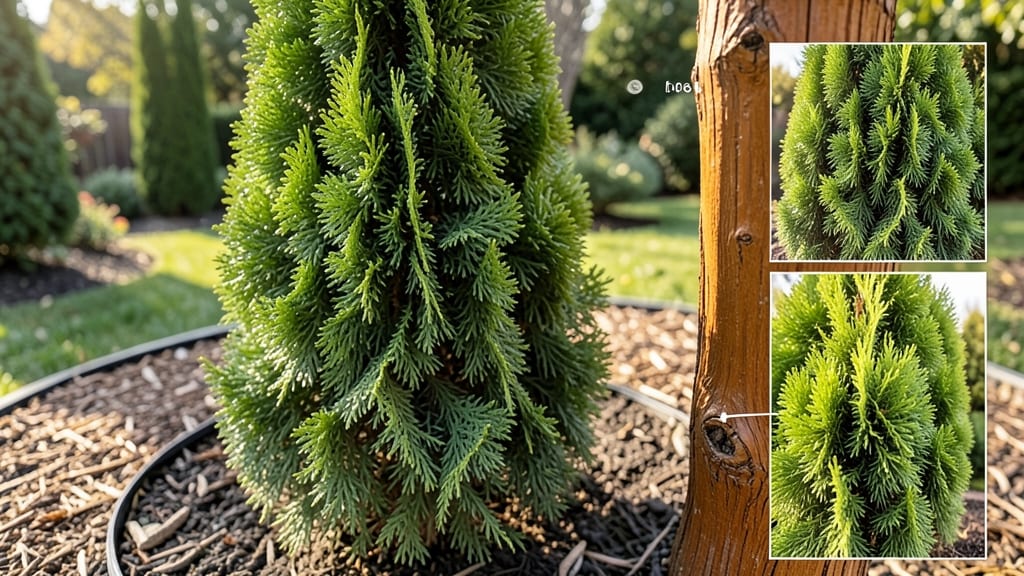
Your cypress tree’s yellowing leaves aren’t a death sentence—just a cry for help. ✨ The health of a cypress tree often starts with pruning the right way. I’ve nursed back more than my share of struggling cypress trees, and the fix often starts with pruning the right way.
What looks like decline is usually a combination of overgrowth, poor airflow, and hidden pests or disease taking hold.
The good news? Pruning isn’t about hacking off branches—it’s about strategic cuts to improve airflow, remove dead wood, and encourage fresh growth. Start by targeting brown or yellowing branches at their base, then thin out crowded areas by 20-30%.
This isn’t just cosmetic; it’s how you stop fungal spores from spreading and give your tree a fighting chance.
Within 4-6 weeks, you’ll see new green needles pushing through, and the tree’s overall shape will look fuller and healthier. The key is timing—prune in late winter or early spring when the tree is just waking up, not in summer when stress makes it vulnerable.
Pair this with proper watering (deep but infrequent) and a soil test to rule out nutrient deficiencies.
For stubborn cases, check for bagworms or spider mites—common culprits that thrive in stressed trees. A strong spray of water or neem oil can knock them back without harsh chemicals. The goal isn’t perfection; it’s revitalization. Your cypress can bounce back, but it needs you to act now.
Root Causes Behind Leaf Problems
Cypress trees are hardy, but their vibrant green foliage can turn yellow or brown when something disrupts their balance. Understanding the why behind these symptoms is the first step to restoring their health.
Below, we break down the most common culprits—from soil issues to pests—and explain the science behind their damage.
Cypress trees thrive in well-draining, slightly acidic to neutral soil (pH 5.0–7.0). When soil conditions go awry, nutrient uptake suffers, leading to yellowing leaves. Here’s how it happens:
- Compacted or Waterlogged Soil 💧 - Why? Poor drainage cuts off oxygen to roots, causing anaerobic conditions that trigger root rot (Phytophthora fungi). Roots suffocate, starving the tree of water and nutrients. - Actionable Sign: Check for soggy soil after rain or puddles near the base.
If the ground stays wet for >48 hours, drainage is the issue.
- Nutrient Deficiencies 🌿 - Iron (Fe) or Nitrogen (N) Shortages: Yellowing between leaf veins (interveinal chlorosis) signals iron deficiency, common in alkaline soils. Nitrogen deficiency causes pale yellowing across the entire leaf. - Zinc (Zn) or Manganese (Mn) Deficits: These micronutrients help chlorophyll production.
A lack of them leads to yellowing with brown spots on younger leaves. - Soil Test Tip: Use a home test kit or send a sample to a local extension office. Amend soil with chelated iron (for alkaline soils) or compost (for organic matter).
- Soil pH Imbalance 📉📈 - Alkaline Soil (pH >7.0): Locks out iron and manganese, causing yellowing. Acidic Soil (pH <5.0): Can leach essential nutrients like nitrogen and calcium. - Fix: Add sulfur (to lower pH) or lime (to raise pH) based on test results.
Aim for gradual adjustments (0.5 pH units per year).
Cypress trees are drought-tolerant but hate soggy feet. Both extremes stress the tree, leading to yellowing leaves.
- Overwatering 💦
- Why? Excess moisture drowns roots, inviting root rot (Fusarium or Pythium fungi). The tree can’t absorb water or nutrients, causing yellowing followed by browning and leaf drop.
- Signs: Mushy, dark roots; wilting despite wet soil; leaves yellowing from the bottom up.
- Underwatering 🏜️ - Why? Drought stress forces the tree to conserve water by dropping leaves (especially in hot weather). Leaves may turn yellow or brown at the edges before crisping. - Fix: Water deeply 1–2 times per week (1–1.5 inches per session) during dry spells.
Use mulch (3–4 inches) to retain moisture.
Cypress trees face specific pests and pathogens that disrupt their health, often starting with yellowing leaves.
- Bagworms 🐛
- Why? These caterpillars spin silk bags on branches, feeding on needles and weakening the tree. Heavy infestations cause yellowing followed by defoliation.
- ID Tip: Look for 1-inch grayish bags hanging from branches. Shake branches over a white sheet to spot larvae.
- Cypress Tip Midge 🕷️ - Why? This tiny fly’s larvae burrow into new growth, causing yellowing and browning of branch tips. Infested tips may look bleached or straw-like. - Fix: Prune and destroy affected tips in late winter/early spring before adults emerge.
Use horticultural oil for severe cases.
- Fungal Diseases (e.g., Seiridium Canker) 🍄
- Prevention: Sterilize pruners with 70% rubbing alcohol between cuts. Remove and burn infected branches (don’t compost).
Even resilient cypress trees can struggle when pushed beyond their limits.
- Sun Scorch 🔥
- Why? Intense afternoon sun (especially after winter dormancy) burns leaf edges, causing yellowing or browning. Common in newly planted trees or those recovering from stress.
- Fix: Provide afternoon shade (e.g., temporary shade cloth) for young trees. Ensure consistent watering during heatwaves.
- Salt or Chemical Burn 🧂 - Why? Road salt, fertilizers, or herbicides can accumulate in soil, poisoning roots. Symptoms include yellowing, leaf curl, or stunted growth. - Solution: Flush soil with water (slowly, to avoid erosion) and apply gypsum to improve soil structure.
Avoid fertilizing for 3–6 months post-burn.
Improper pruning can stress the tree, leading to yellowing leaves or dieback.
- Over-Pruning ⏳
- Why? Removing >25% of foliage at once disrupts photosynthesis, causing yellowing and weak regrowth. Cypress trees rely on needle density for energy.
- Rule of Thumb: Prune no more than 15–20% per year, focusing on dead, diseased, or crossing branches.
- Wrong Time of Year ❄️
- Why? Pruning in late fall/winter (dormant season) or late summer stresses the tree. Spring (March–May) is ideal for cypress—when new growth is about to start.
- Exception: Light pruning to remove dead tips can be done anytime.
- Poor Cut Technique ⚔️
- Why? Jagged cuts or leaving stubs invite disease. Always prune just outside the branch collar (the swollen area where the branch meets the trunk).
- Tool Tip: Use sharp, clean bypass pruners and make cuts at a 45-degree angle for larger branches.
Reviving Your Cypress Tree Step-by-Step
When your cypress tree’s leaves turn yellow or brown, it’s a cry for help—but don’t worry! With the right approach, you can nurse it back to health.
Below are practical, actionable solutions tailored to the most common causes of poor cypress tree health, plus tips to keep your tree thriving long-term.
Signs: Soggy soil, root rot, yellowing needles that stay soft and mushy.
How to Solve It: 🔥 🚰 Stop Watering Immediately
- Let the soil dry out completely before watering again. Cypress trees hate "wet feet"—overwatering suffocates roots.
👨🍳 🌱 Improve Soil Drainage - If your tree is in a container, add perlite or coarse sand to the potting mix (50/50 ratio with regular soil). - For in-ground trees, amend the soil with compost or organic matter to break up clay.
A French drain around the base can help redirect excess water.
🔪 ⚕️ Prune Damaged Foliage
- Trim yellow, brown, or mushy branches back to healthy green growth. Sterilize pruners with rubbing alcohol to prevent spreading disease.
⏰ 🌡️ Monitor Soil Moisture
- Stick your finger 2 inches deep—if it’s damp, wait. If dry, water deeply but infrequently.
💡 Pro Tip: If root rot is severe, you may need to dig up the tree, trim affected roots, and repot it in fresh, well-draining soil.
Signs: Crispy, brown leaf edges, wilting despite moist soil.
How to Solve It: 🌞 🌳 Provide Shade Gradually
- If your cypress is suddenly in full sun (e.g., after a new construction or tree removal), acclimate it by shading it for a few hours a day, then slowly increasing exposure.
💧 🌊 Deep Water in the Morning
- Water slowly and deeply (1–2 inches per week) to encourage deep root growth. Avoid evening watering to prevent fungal issues.
🎯 🧴 Apply Anti-Transpirant (If Needed)
- For severe sunburn, spray leaves with an anti-transpirant (like Wilt-Pruf) to reduce water loss while the tree recovers.
✨ Pro Tip: Mulch with 2–3 inches of wood chips to retain moisture and protect roots from temperature swings.
Signs: Dark, sunken lesions on branches, oozing sap, premature needle drop.
How to Solve It: 🧪 🛡️ Use Fungicides Early
- Spray with a copper-based fungicide (like Bordeaux mixture) or propiconazole at the first sign of cankers. Follow label instructions for frequency.
🔪 🌿 Prune Infected Branches Aggressively
- Cut 6 inches below any cankers or discolored wood. Burn or bag the clippings—do not compost them.
🌧️ 🌧 Improve Air Circulation
- Thin out dense foliage to reduce humidity around the tree. Avoid overhead watering to prevent spore spread.
💡 Pro Tip: Prevent future infections by watering at the base (not leaves) and avoiding wounding the tree during wet weather.
Signs: Pale yellow leaves (chlorosis), stunted growth, sparse foliage.
How to Solve It: 📊 🌿 Test Soil & Amend as Needed
- A soil test kit (available at garden centers) will reveal deficiencies. Common fixes:
- Iron deficiency? Use chelated iron or Epsom salt (1 tbsp per gallon of water, sprayed on leaves).
- Nitrogen poor? Apply a slow-release fertilizer (like 10-10-10) in early spring.
🍎 🌱 Feed with Organic Matter
- Spread compost or worm castings around the base (keep 6 inches away from the trunk). Water well to activate nutrients.
💪 Pro Tip: Avoid over-fertilizing—cypress trees prefer low-nutrient, well-draining soil. More isn’t always better!
Signs: Webbing, chewed leaves, tiny insects on undersides of needles.
How to Solve It: 🕷️ 🕷️ Handpick or Bagworm Bags
- For bagworms, collect and drown bags in soapy water before they pupate. Repeat every 2 weeks in summer.
💦 🌊 Blast Off Spider Mites
- Spray leaves with a strong jet of water to dislodge mites. For severe infestations, use neem oil or insecticidal soap.
🎯 🛡️ Apply Systemic Insecticide (If Needed)
- For stubborn pests, use imidacloprid (follow label rates). Reapply after rain.
🔥 Pro Tip: Encourage natural predators like ladybugs and lacewings by planting marigolds or dill nearby.
To keep your cypress tree healthy year-round: ✅ Prune in late winter/early spring (avoid heavy cuts in summer). ✅ Water deeply but infrequently—let soil dry between waterings. ✅ Mulch annually with wood chips or pine straw (keep mulch 6 inches from the trunk). ✅ Inspect monthly for pests, disease, or nutrient issues. ✅ Avoid compacting soil around the base (e.g., no heavy foot traffic).
🌟 Final Thought: Most cypress tree issues are preventable with proper care. Start with the fixes above, and your tree should bounce back—green and thriving in no time!
Frequently asked questions
Why are my cypress tree's needles turning yellow from the bottom up?
This is often a sign of overwatering or root rot. Cypress trees hate soggy soil—when roots suffocate from excess moisture, they can't absorb nutrients, causing yellowing from the bottom. Let the soil dry completely between waterings and improve drainage with perlite or compost. If root rot is severe, you may need to prune affected roots and repot.
How often should I prune my cypress tree to maintain its health?
Prune cypress trees once a year in late winter or early spring (before new growth starts). Never remove more than 15-20% of foliage at once—this disrupts photosynthesis. Focus on removing dead, diseased, or crossing branches, and always cut just outside the branch collar. Avoid pruning in summer when the tree is stressed.
What's the best way to tell if my cypress tree has a nutrient deficiency?
Yellowing between leaf veins suggests iron deficiency (common in alkaline soil), while overall pale yellowing indicates nitrogen deficiency. For iron, use chelated iron or Epsom salt (1 tbsp per gallon of water). For nitrogen, apply a slow-release fertilizer in early spring. Always test your soil first—cypress trees prefer low-nutrient conditions.
Can I save my cypress tree if it has fungal cankers?
Yes, but act fast! Prune infected branches 6 inches below the canker and burn the clippings (don't compost). Sterilize pruners with rubbing alcohol between cuts. Apply a copper-based fungicide and improve air circulation by thinning dense foliage. For severe cases, consult an arborist—some cankers can spread quickly if left untreated.
How do I know if my cypress tree needs more water or less?
Check soil moisture by sticking your finger 2 inches deep—if it's damp, wait to water. If dry, water deeply (1-2 inches) but infrequently. Wilting despite moist soil signals root rot (too much water), while crispy brown edges mean underwatering. Mulch with 2-3 inches of wood chips to retain moisture and protect roots from temperature swings.