
Trees
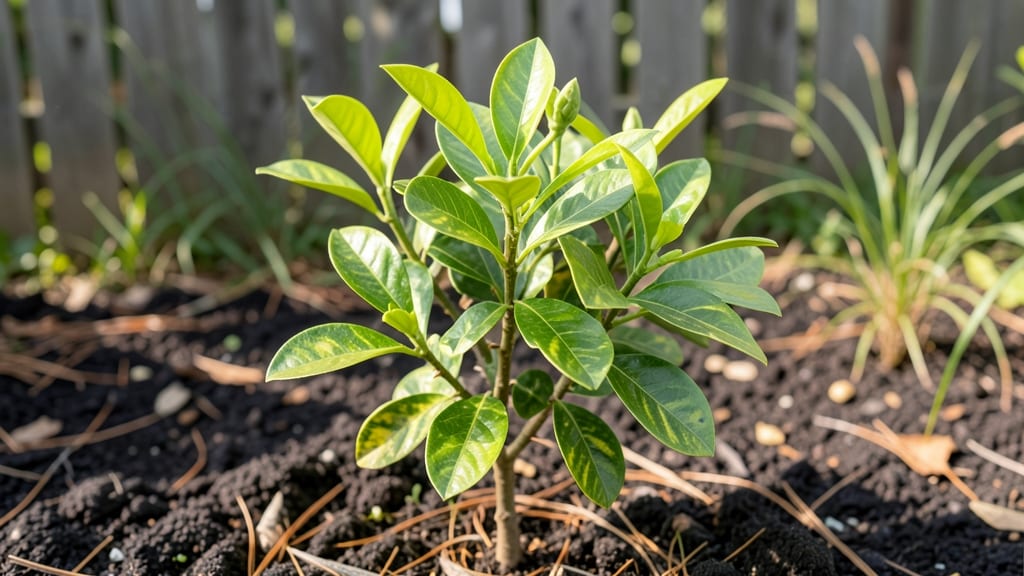
When your tree’s leaves turn an unnatural lime green, it’s not just a color problem—it’s a cry for help. 🌿 I’ve seen this happen after overzealous fertilizing, where roots burn instead of feeding, or when fungal infections sneak in unnoticed. The good news?
Most cases fix themselves with simple adjustments, like checking soil pH or pruning damaged branches. The first step is ruling out overwatering or underwatering—both create stress that shows up as that sickly hue.
Dig a finger-deep into the soil: if it’s soggy, cut back on water; if it’s bone-dry, increase moisture gradually. Nutrient imbalances (too much nitrogen, not enough magnesium) are another top culprit, and a quick soil test reveals the truth.
What you’ll end up with is vibrant, healthy foliage that matches the tree’s natural shade. The fix often takes just 2-4 weeks once you identify the root cause—no drastic measures needed. Prevention is easy: mulch properly, fertilize lightly, and inspect leaves weekly for early signs.
This works for backyard trees, container-grown specimens, and even young seedlings. Let’s diagnose that lime-green mystery together!
Root Causes Of Yellowing Leaves
When your tree’s leaves turn an unsettling lime green—often a precursor to yellowing—it’s rarely a random act of nature. Instead, it’s a cry for help from the plant, signaling underlying stress. Understanding these triggers is the first step to restoring your tree’s vibrant health.
Below, we break down the most common culprits, backed by science, so you can diagnose and act with confidence.
A lime-green hue often points to a lack of essential nutrients, particularly nitrogen (N), magnesium (Mg), or iron (Fe). These elements are critical for chlorophyll production—the pigment that gives leaves their rich green color. When deficient:
- Nitrogen (N) deficiency: Leaves may appear pale green or yellowish, especially on older foliage. Nitrogen is the building block of proteins and enzymes, and its absence stunts growth and weakens the tree’s structure. Test your soil’s pH—nitrogen becomes unavailable in highly acidic or alkaline conditions (below 5.5 or above 7.5).
- Magnesium (Mg) deficiency: Lime-green leaves with yellow patches between veins (a condition called interveinal chlorosis) are classic signs. Magnesium is the center of the chlorophyll molecule, and its shortage disrupts photosynthesis. This is common in sandy or acidic soils where magnesium leaches away quickly.
- Iron (Fe) deficiency: Young leaves turn lime-green or yellow while veins stay green—a symptom of chlorosis. Iron is vital for electron transport in photosynthesis, and its uptake is hindered in alkaline soils (pH > 7.0). Even if iron is present, the soil’s pH may block the tree’s ability to absorb it.
Actionable fix: Conduct a soil test to identify deficiencies. Amend soil with:
- Slow-release organic nitrogen (compost, blood meal, or fish emulsion).
- Dolomitic lime (for magnesium) or Epsom salt (magnesium sulfate) for quick relief.
- For iron: Apply chelated iron (e.g., iron sulfate) or adjust soil pH to 6.0–7.0 with sulfur or peat moss.
Water stress—whether from overwatering or underwatering—can trigger lime-green leaves as the tree struggles to maintain cellular function. Here’s how to spot the difference:
| Symptom | Cause | Diagnostic Clues |
|---|---|---|
| Lime-green, spongy leaves with yellowing edges | Overwatering | Root rot (mushy, brown roots), soggy soil, and wilting despite moisture. |
| Dull, crispy lime-green leaves curling inward | Underwatering | Dry soil, leaf edges browning, and a general "thirsty" appearance. |
Why it happens: Overwatering suffocates roots by displacing oxygen, while underwatering causes osmotic stress, forcing cells to shut down photosynthesis to conserve water. Both scenarios lead to chlorophyll breakdown and nutrient transport failures.
Actionable fix:
- 💡 For overwatering: Improve drainage with organic matter (compost or perlite) and avoid watering until the top 2–3 inches of soil are dry.
- 💡 For underwatering: Water deeply 1–2 times per week (adjust for climate) and mulch to retain moisture.
Extreme or sudden changes in the tree’s environment can shock its systems, leading to lime-green leaves as a survival response. Key triggers include:
- Excessive sunlight: Young trees or shade-loving species (e.g., Japanese maples) may develop sun scald, where leaves bleach to lime-green or yellow. This happens when chlorophyll degrades due to UV damage.
- Windburn: High winds desiccate leaves, causing a dull lime-green cast as the tree prioritizes water retention over pigment production.
- Air pollution (e.g., ozone, sulfur dioxide): Urban trees often suffer from chlorotic mottling as pollutants disrupt chlorophyll synthesis. Leaves may appear stippled or uniformly pale.
Actionable fix:
- 🌡️ Gradually acclimate trees to sunlight by moving them to sunnier spots over 2–3 weeks.
- 🎯 Use windbreaks (e.g., hedges, fences) to shield delicate species.
- ✨ For pollution: Apply foliar sprays with antioxidants (e.g., hydrogen peroxide or seaweed extract) to protect chlorophyll.
Certain pests and pathogens feed on chlorophyll or disrupt nutrient flow, leaving leaves lime-green as a side effect. Watch for:
- Spider mites: These tiny pests suck sap, causing stippled lime-green or yellowing leaves. Look for fine webbing on undersides.
- Scale insects: Their piercing-sucking mouths deliver toxins that inhibit chlorophyll, leading to a marbled lime-green pattern.
- Fungal infections (e.g., powdery mildew): While mildew often causes white powder, it can also stress leaves into a pale green state by clogging stomata (pores).
Why it happens: Pests and diseases disrupt the tree’s vascular system, blocking water and nutrient transport. The tree’s emergency response is to shed chlorophyll in affected areas to conserve energy.
Actionable fix:
- 🔥 Blast pests off with a strong water spray or use neem oil (1 tsp per quart of water).
- 👨🍳 For scale: Scrape off colonies with a plastic scraper and apply horticultural oil.
- 🌡️ Improve airflow around the tree to prevent fungal spread.
Pro tip: 💡 When in doubt, test your soil and leaves! A simple DIY leaf test (soak a sample in rubbing alcohol for 24 hours—green = healthy chlorophyll; yellow = trouble) can confirm if nutrient issues are the root cause.
Quick Fixes for Lime Tree Leaf Issues
When your lime tree’s leaves turn an unnatural lime green, it’s time to act—but don’t panic! The right approach depends on the root cause. Below, we’ve mapped out practical, step-by-step solutions for common issues, along with prevention tips to keep your tree thriving. 🌿💚
Signs: Yellowing edges, soggy soil, or leaves that feel mushy to the touch. Fix:
- Stop watering immediately—let the top 2–3 inches of soil dry out before watering again.
- Improve drainage:
- Add perlite, sand, or gravel to heavy clay soil.
- Repot if needed (use a pot with drainage holes).
- Check for root rot: Gently loosen the topsoil and inspect roots. If they’re black/mushy, trim affected areas with sterilized pruners and repot in fresh soil.
- Water deeply but less often—lime trees prefer dry-to-moderate conditions.
💡 Prevention Tip: Use a moisture meter to monitor soil levels, or stick your finger in—if it’s damp past 2 inches, hold off on watering.
Signs: Pale or lime-green leaves (especially younger ones), slow growth, or stunted branches. Fix:
- Test your soil—a DIY kit (or lab test) helps identify deficiencies (e.g., nitrogen, iron, or magnesium).
- Apply balanced fertilizer:
- For nitrogen deficiency: Use a 10-10-10 or 20-20-20 fertilizer (follow package rates).
- For iron/chlorosis: Sprinkle chelated iron granules around the base or use a foliar spray (like iron sulfate).
- For magnesium: Work Epsom salt (1 tbsp/gallon of water) into the soil monthly.
- Avoid over-fertilizing—lime trees are sensitive to salt buildup. Flush soil with water after feeding.
💡 Pro Tip: Slow-release fertilizers (like osmocote) reduce the risk of overfeeding and lime-green leaf burnout.
Signs: Sticky residue, holes, wilting, or spots on leaves. Fix:
- Identify the culprit:
- Scale insects? Scrape off with a soft brush and spray with neem oil (repeat weekly).
- Spider mites? Blast leaves with water, then apply insecticidal soap.
- Fungal spots? Prune infected leaves and spray with copper fungicide or baking soda mix (1 tbsp baking soda + 1 quart water + a drop of dish soap).
- Encourage beneficial insects—ladybugs and lacewings eat pests naturally. Plant marigolds or basil nearby as traps.
- Clean up debris—remove fallen leaves to prevent fungal spread.
🌡️ Prevention Tip: Quarantine new plants for 2 weeks before introducing them to your lime tree’s space.
Signs: Leaves curling, scorched edges, or a "bleached" lime-green hue. Fix:
- Adjust sunlight exposure:
- Move potted trees to partial shade (morning sun + afternoon shade).
- For in-ground trees, prune nearby branches blocking airflow.
- Wind protection:
- Use a windbreak (like a burlap screen or lattice) if your tree is exposed.
- Stake young trees to prevent whiplash damage.
- Mulch properly: Apply 2–3 inches of organic mulch (wood chips or straw) to retain moisture and regulate soil temp.
✨ Bonus: Mist leaves on hot days to reduce stress (but avoid waterlogging).
Signs: Sudden lime-green discoloration, wilting, or leaf drop after temperature swings. Fix: 1. Acclimate slowly: - For cold: Move potted trees indoors or to a garage before temps drop below 40°F (4°C). - For heat: Gradually introduce trees to full sun over 2–3 weeks.
- Protect roots: - Wrap the base with burlap in winter or use mulch to insulate soil.
- Avoid fertilizing during extreme temps—it stresses the tree further.
🎯 Prevention Tip: Monitor forecasts and act 3–5 days before a heatwave or freeze.
Signs: Lime-green leaves, wilting, or slow recovery after repotting/moving. Fix:
- Water lightly but frequently for the first 2 weeks (keep soil moist, not soggy).
- Avoid fertilizing for 4–6 weeks—let the tree focus on roots, not growth.
- Prune damaged branches with clean, sharp shears to redirect energy.
- Use root stimulator (like mycorrhizal fungi or seaweed extract) to boost recovery.
🔪 Pro Tip: Trim any leaves that turn fully yellow—it helps the tree conserve energy.
Final Reminder: Most lime-green leaf issues are reversible with quick action! Start with the likely cause, monitor progress, and adjust as needed. Your tree will be back to vibrant green in no time. 🌟
Frequently asked questions
Why do my tree's leaves turn lime green instead of healthy green?
Lime green leaves usually signal nutrient deficiencies (like nitrogen, magnesium, or iron) or environmental stress. These issues disrupt chlorophyll production, causing that unnatural pale hue. Start by checking soil moisture and testing for nutrient imbalances.
Can overwatering cause lime green leaves?
Overwatering suffocates roots and prevents nutrient uptake, leading to that sickly lime-green color. Check if the top 2-3 inches of soil are soggy—if so, reduce watering and improve drainage with compost or perlite.
How do I tell if lime green leaves mean iron deficiency or something else?
Iron deficiency (chlorosis) shows as lime-green leaves with green veins, while nitrogen issues affect all leaf areas. Test soil pH—iron becomes unavailable in alkaline soil (pH >7.0). Apply chelated iron or adjust pH to 6.0-7.0 with sulfur.
Will lime green leaves spread to other parts of the tree?
Yes, if left untreated, lime-green leaves often spread as the underlying problem worsens. Act quickly by addressing water stress, nutrient deficiencies, or pests. Most trees recover fully within 2-4 weeks with proper care.
Can I use Epsom salt to fix lime green leaves?
Epsom salt (magnesium sulfate) is great for magnesium deficiencies! Mix 1 tablespoon per gallon of water and apply monthly. However, test soil first—magnesium issues are just one possible cause of lime-green leaves.