
How To
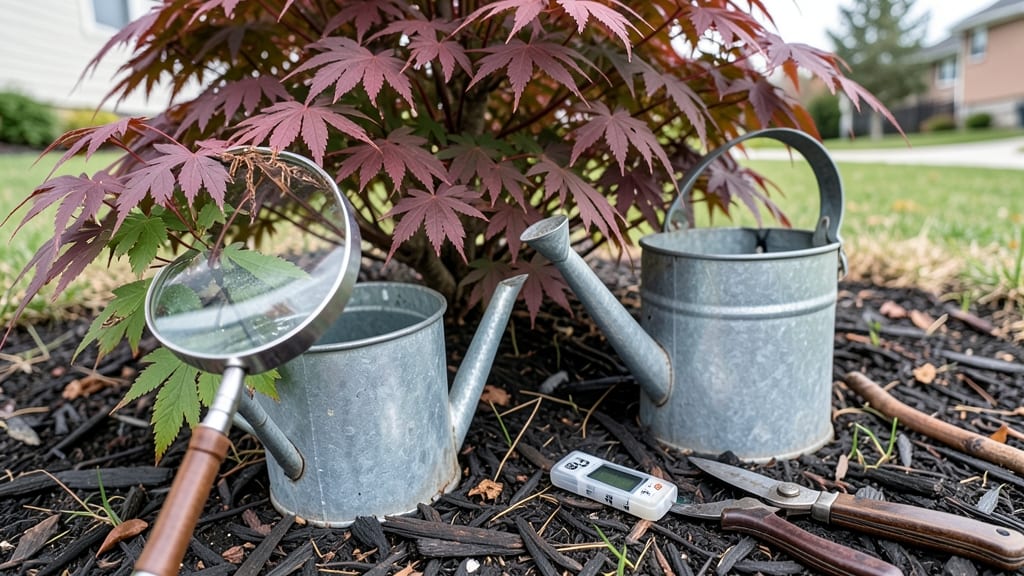
Brown tips on the acer tree leaves don’t have to be a mystery—this foolproof science-backed approach will have them green again in weeks. 🌿 I’ve seen this problem turn into a full recovery after just one season of targeted care, and the fixes are simpler than you’d think.
The key is understanding whether your tree is thirsty, stressed, or fighting something unseen.
Most cases come down to three culprits: underwatering (or overwatering), salt buildup from tap water, or environmental stress like windburn or harsh sun. Acer trees are tough, but they signal distress with those crispy edges—like a red flag you can’t ignore.
The good news? Each fix takes less than 15 minutes and costs almost nothing.
Start by checking the soil moisture—damp but not soggy is ideal—and switch to rainwater or distilled water if your tap feels harsh. Prune any severely damaged leaves (they won’t recover) and apply a balanced fertilizer in early spring.
Within 4-6 weeks, you’ll see fresh growth pushing out, and those brown tips will fade into memory.
If the problem persists after three months or spreads to entire branches, it might be time to call an arborist—some fungal issues or pest damage need professional eyes.
But for 90% of cases, this simple routine works like magic. Your acer will thank you with vibrant foliage all season long.
Root causes behind leaf discoloration
When your acer tree starts showing brown tips on its leaves, it’s usually a sign that something’s off—often tied to environmental stress or care missteps. Understanding the why behind the browning is the first step to bringing your tree back to vibrant health.
Below, we break down the most common culprits, backed by science, so you can diagnose the issue accurately and act fast.
If your acer tree’s roots are sitting in soggy soil for too long, they can’t absorb oxygen efficiently, leading to root rot. When roots struggle, the tree can’t transport water and nutrients properly, causing leaves to develop brown, crispy edges—especially on younger foliage.
Why it happens:
- Waterlogged soil displaces oxygen in the root zone, suffocating roots and triggering anaerobic bacteria that release toxins.
- Compacted or clay-heavy soil doesn’t drain well, trapping excess moisture near the roots.
- Overzealous watering (e.g., daily irrigation or neglecting to check soil moisture) keeps roots damp longer than they should be.
Actionable clue: Check the soil 2–3 inches down—if it’s damp or smells sour, drainage is likely the issue. Maple trees (like acers) prefer well-drained soil and can’t tolerate "wet feet."
Brown tips can also signal drought stress, where the tree isn’t getting enough water to maintain turgor pressure in its leaves. Heatwaves or dry winds exacerbate the problem by increasing transpiration (water loss) faster than the roots can replenish it.
Why it happens:
- Insufficient watering causes leaf edges to dry out first, as they have fewer protective cells than the leaf center.
- High evaporation rates (common in full sun or windy areas) pull moisture from leaves before roots can supply it.
- Shallow root systems in young acers mean they can’t access deep moisture reserves during dry spells.
Actionable clue: Look for wilting leaves that perk up after watering or soil that’s bone-dry 1–2 inches down. Mature acers need 1–1.5 inches of water per week (including rainfall), while younger trees may need more frequent, shallow watering.
Sudden temperature swings—like late spring frosts or scorching summer heat—can shock your acer tree. Additionally, salt buildup from tap water, fertilizers, or deicing salts can damage cell membranes, causing leaf tips to brown and die.
Why it happens:
- Cold snaps (<32°F) can freeze leaf edges, leading to ice crystal formation that ruptures cells.
- Salt accumulation (from municipal water or road salts) raises soil salinity, making it harder for roots to absorb water.
- Fertilizer burn (especially with high salt content, like synthetic nitrogen) can "scorch" leaf tips by disrupting nutrient uptake.
Actionable clue: If browning follows a freeze or appears uniformly across the tree, temperature is likely the culprit. For salt issues, test soil conductivity (<3 dS/m is ideal) or flush the root zone with rainwater.
Pathogens like anthracnose (a fungal disease) or bacterial leaf scorch can cause brown, crinkled tips, often paired with yellowing between veins. These issues thrive in humid, poorly ventilated conditions and can spread rapidly if left unchecked.
Why it happens:
- High humidity (e.g., >75% for prolonged periods) creates the perfect environment for fungal spores to germinate.
- Wet foliage (from overhead watering or rain) allows spores to latch onto leaves.
- Weakened trees (due to stress from drought, poor soil, or pests) are more susceptible to infections.
Actionable clue: Check for dark spots or lesions on the underside of leaves or oozing sap on stems. Prune infected branches immediately and avoid watering leaves to reduce spore spread.
Brown tips can also signal a lack of key nutrients, particularly potassium, magnesium, or nitrogen. These deficiencies disrupt cellular processes, leading to marginal browning, stunted growth, or even leaf curl.
Why it happens:
- Potassium deficiency weakens the tree’s ability to regulate water and disease resistance, causing edges to brown first.
- Magnesium deficiency (often in acidic or sandy soils) leads to interveinal chlorosis (yellowing between veins) followed by browning.
- Nitrogen deficiency slows growth, making leaves small and brittle with brown tips.
Actionable clue: Test soil pH (acers prefer 6.0–7.5) and conduct a soil test for nutrient levels. If deficient, amend with potassium sulfate (for K), Epsom salt (for Mg), or a balanced fertilizer (10-10-10) in early spring.
Quick Fixes for Browning Leaf Tips
Brown tips on your acer tree leaves don’t have to be a mystery—most issues can be resolved with targeted care. Below, we’ve mapped the most common causes to simple, science-backed solutions, plus prevention tips to keep your tree thriving. No green thumb required!
---
Signs: Yellowing leaves, soggy soil, or brown tips that feel mushy.
How to Fix It: 🔥 Step 1: Check the Soil Use your finger to test moisture 2–3 inches deep. If it’s damp, hold off on watering. Acer trees prefer slightly dry soil—overwatering suffocates roots and leads to browning.
🍳 Step 2: Improve Drainage Amend heavy or clay soil with compost or perlite (1 part organic matter to 3 parts soil). For potted acers, ensure the container has drainage holes and elevate it to prevent water pooling.
👨🍳 Step 3: Adjust Watering Habits Water deeply once a week (or every 10 days in dry climates) instead of frequent shallow watering. Let the top inch of soil dry out between sessions.
🌡️ Prevention Tip: Mulch around the base (2–3 inches deep) with wood chips or bark to regulate soil temperature and reduce evaporation.
---
Signs: Crispy, dry brown edges, especially on sun-exposed leaves.
How to Fix It: 🔥 Step 1: Water Deeply and Slowly Acer trees need 1–1.5 inches of water per week (more in extreme heat). Use a soaker hose or drip irrigation to deliver water directly to the roots, avoiding leaf burn from overhead sprinklers.
🍳 Step 2: Provide Afternoon Shade If your tree is in a hot, sunny spot, temporarily shade it (e.g., with a lightweight shade cloth) during peak afternoon sun (1–4 PM). Young trees are most vulnerable.
👨🍳 Step 3: Mulch Like a Pro Spread 3–4 inches of mulch (avoid piling against the trunk) to lock in moisture and cool the root zone.
🎯 Prevention Tip: Water early in the morning (before 9 AM) to reduce evaporation and fungal risks.
---
Signs: Brown tips on one side of the tree (windward side) or near roads/sidewalks.
How to Fix It: 🔥 Step 1: Protect from Wind If your tree is in a windy area, plant a windbreak (like a hedge or fence) on the exposed side. For potted acers, move them to a sheltered spot.
🍳 Step 2: Flush Salt Buildup If your tree is near a sidewalk or road, leach the soil by watering deeply for 10–15 minutes, then letting it drain completely. Repeat weekly until new growth appears.
👨🍳 Step 3: Boost Resilience Fertilize lightly with a balanced, slow-release fertilizer (10-10-10) in early spring to help the tree recover.
✨ Prevention Tip: Avoid de-icing salts near the tree in winter—opt for sand or cat litter instead.
---
Signs: Sticky residue (aphids), holes in leaves (spider mites), or fungal spots (black or brown patches).
How to Fix It: 🔥 Step 1: Identify the Culprit Inspect leaves for: - Aphids (tiny green/black bugs) → Brown, curled leaves. - Spider mites (tiny webs) → Speckled browning. - Fungal issues (powdery mildew) → White or gray fuzz.
🍳 Step 2: Treat Naturally - For pests: Spray with neem oil (1 tbsp per gallon of water) or introduce ladybugs (natural predators). - For fungus: Apply baking soda spray (1 tsp baking soda + 1 quart water + a drop of dish soap) every 7–10 days.
👨🍳 Step 3: Prune and Clean Remove Severely affected leaves and dispose of them in the trash (not compost). Sterilize pruners with rubbing alcohol to prevent spread.
💡 Prevention Tip: Encourage beneficial insects by planting marigolds or dill nearby—they deter pests naturally!
---
Signs: Yellowing between veins (iron deficiency) or overall pale leaves (nitrogen deficiency).
How to Fix It: 🔥 Step 1: Soil Test First Grab a DIY soil test kit (available at garden centers) to confirm deficiencies. If iron is low, chelated iron supplements work fastest.
🍳 Step 2: Fertilize Smartly - For iron deficiency: Use an iron sulfate or iron chelate (follow package rates). - For nitrogen: Apply compost, fish emulsion, or a slow-release granular fertilizer (like 12-0-0) in early spring.
👨🍳 Step 3: Improve Soil pH Acer trees prefer slightly acidic soil (pH 6.0–7.0). If your soil is too alkaline, add elemental sulfur (1 lb per 100 sq ft) and retest in 2–3 months.
🎯 Prevention Tip: Top-dress with compost annually to maintain soil health and prevent deficiencies.
--- Final Pro Tip: 🌿 Don’t panic-prune! If only the tips are brown, leave the leaves—they’ll often recover as the tree adjusts. Only prune dead or diseased branches to avoid stressing the tree further.
With the right care, your acer will bounce back with vibrant green foliage in no time!
Frequently asked questions
Why do acer tree leaves only get brown tips instead of turning completely brown?
Brown tips typically appear first because leaf edges have fewer protective cells than the center. This makes them more vulnerable to water stress, salt buildup, or nutrient deficiencies. Think of it like how your skin gets sunburned on exposed areas first—it’s the first line of defense showing distress.
Can I use tap water if my acer tree has brown tips from salt buildup?
Not ideal—tap water often contains minerals that worsen salt buildup. Switch to rainwater or distilled water immediately. If that’s not possible, let tap water sit in a bucket for 24 hours before using to allow chlorine to evaporate. Flush the soil monthly with plain water to leach out excess salts.
How long does it take to see improvement after adjusting care?
With proper fixes (like correct watering or mulching), you’ll often see new growth in 4-6 weeks. Brown tips on existing leaves won’t reverse, but fresh foliage should emerge vibrant and green. For severe cases (like fungal issues), it may take up to 3 months for full recovery.
Is it safe to prune leaves with brown tips?
Only prune severely damaged or dead leaves—healthy leaves with just brown tips can still recover. Cutting too much foliage stresses the tree. Use clean, sharp pruners and sterilize them with rubbing alcohol to prevent spreading disease.
When should I call an arborist for brown tips?
Consult a professional if you see spreading brown patches, oozing sap, or wilting branches after 3 months of care. These could indicate serious fungal infections, pest infestations, or root rot that need targeted treatments. Early intervention saves your tree!