
Trees
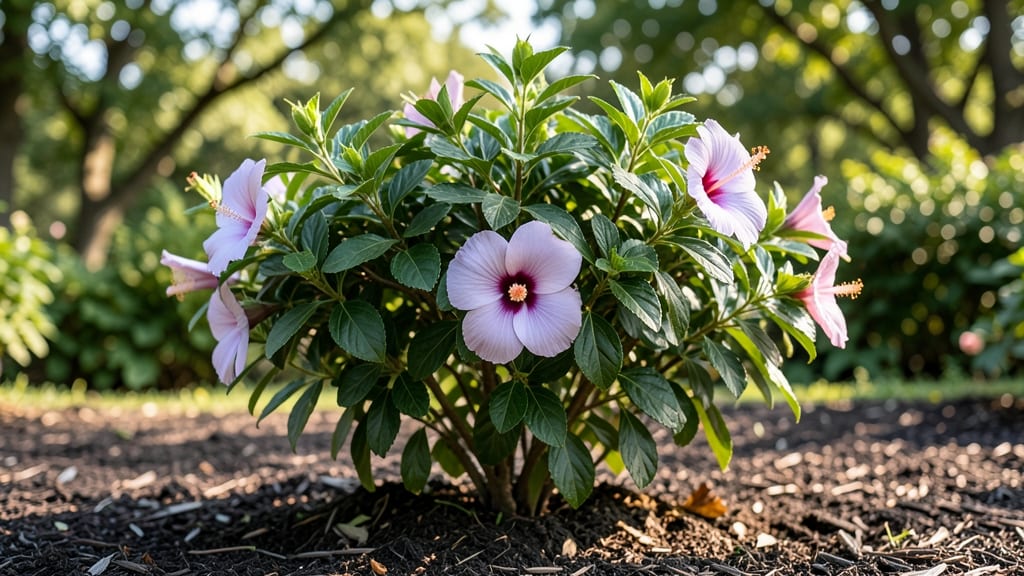
The rose of Sharon tree leaves can go from glossy green to sad and spotted in a single season—but I’ve cracked the code to keep them thriving year-round. 🌿 The secret isn’t just pruning; it’s when and how you do it, plus a few sneaky tricks to outsmart pests and diseases before they start.
Start by inspecting leaves for powdery white dust (mildew) or sticky residue (aphids). Prune any brown or curled foliage immediately, and don’t forget to sterilize your tools with rubbing alcohol.
A late-winter trim (just before buds swell) sets the stage for disease-resistant growth, while summer pruning keeps air circulating to prevent fungal issues.
By summer’s end, your Rose of Sharon will reward you with deep green, disease-free leaves that stay put—no more sudden drop-offs or unsightly spots. The key is consistency: prune lightly every 6-8 weeks, fertilize with balanced 10-10-10 in spring, and water at the base (never overhead).
📚 In This Guide
- What you need
- Instructions
- Tips and common mistakes
- Wrapping up and next steps
What you need
- ● Pruning shears (bypass or anvil type) – Choose sharp, clean shears with a 2.5- to 3-inch blade for precision cuts.
- ● Lopping shears or pruning saw – For thicker branches (over ½-inch diameter), opt for a curved blade to avoid splintering.
- ● Gloves (cut-resistant & heavy-duty) – Protect your hands from thorns and rough bark (look for leather or reinforced fabric).
- ● Disinfectant (70% isopropyl alcohol or bleach solution) – 1 part bleach to 9 parts water to sterilize tools between cuts and prevent disease.
- ● Rubbing alcohol or hand sanitizer – For quick clean-ups between cuts.
- ○ Marking spray or tape – Helps identify branches to remove (optional but handy for complex pruning).
- ● Heavy-duty trash bags or compost bin – For disposing of pruned branches (check local regulations for debris disposal).
- ● Extension pole pruners – For high branches (up to 10-12 feet), saving you from climbing.
- ● Safety glasses – Protects eyes from debris, especially when using a saw.
- ● Knee pads or stool – For comfort during long pruning sessions.
- ○ Tree wound dressing (optional) – Only use if needed for large cuts (e.g., pruning sealant for wounds over 2 inches).
- ● Camera or phone – Snap before/after photos to track your tree’s progress!
Step-by-Step guide to pruning Rose of Sharon for year-round health
Here’s how I keep my Rose of Sharon thriving—with pruning techniques that prevent disease and encourage dense, vibrant foliage.
✂️ Step 1: Prune in Late Winter for Structure
Wait until late winter or early spring (just before new growth begins) to prune. This is when the tree is dormant, making it easier to see the structure and remove dead wood. I cut back one-third of the oldest stems to the ground, which promotes new growth and prevents overcrowding.
Use clean, sharp pruners to make cuts at a 45-degree angle, about ¼ inch above a healthy bud. This angle helps water run off the cut, reducing the risk of rot. Remove any branches that are crossing, rubbing, or growing inward—they’ll compete for nutrients and create weak spots.
🌿 Step 2: Thin Out Overcrowded Branches in Early Summer
After the first flush of new growth in early summer, focus on thinning out the canopy. Look for branches that are too close together or growing in awkward directions. I remove 20-30% of the thinnest, weakest stems to improve airflow and sunlight penetration.
This step is critical for disease prevention. Rose of Sharon is prone to fungal issues like powdery mildew, and poor airflow creates the perfect breeding ground. Leave only the healthiest, most vigorous branches—you’ll see fuller, bushier growth as the tree redirects energy to stronger stems.
✂️ Step 3: Light Pruning in Late Summer for Shape
In late summer, do a light pruning to maintain the tree’s shape and encourage next year’s blooms. Remove any dead, diseased, or damaged branches first—these are easy to spot because they’ll be brown, brittle, or lacking leaves.
For shaping, I focus on the outer edges, cutting back just enough to open up the center of the tree. This prevents a dense, shaded interior where pests and diseases can hide. Avoid heavy pruning now—you don’t want to stimulate new growth that won’t have time to harden off before winter.
🪴 Step 4: Minimal Winter Pruning for Safety
If you missed any pruning in late winter, do a light cleanup in early winter (before the first hard freeze). Remove only the most obvious dead or broken branches—this keeps the tree safe from wind damage and prevents pests from hiding in damaged wood.
This is also the time to check for any suckers or water sprouts (fast-growing, weak branches at the base). Snip these off at the base—they drain energy from the main tree and rarely produce strong growth. A quick once-over now ensures your Rose of Sharon starts spring in the best possible shape.
Tips & tricks for perfect Rose of Sharon pruning
Took me years of trial and error to perfect these pruning techniques—here's how I keep my Rose of Sharon thriving with minimal effort.
Seasonal Timing Secret: The late winter timing in Step 1 is critical because dormant trees reveal their true structure. If you prune too early, you risk cutting off buds that haven't formed yet. I mark my calendar for the first week of February as my target—this gives me a 2-week window before new growth begins. For southern climates, wait until March when frost danger has passed.
Cutting Technique That Changed Everything: That 45-degree angle in Step 1 isn't just aesthetic—it's about water management. I've seen too many cuts heal poorly because water pooled in flat cuts. Always cut just outside the branch collar (the swollen area where the branch meets the trunk) to maintain the tree's natural healing ability. Use a clean, sharp pruner every time—dull tools crush stems instead of making clean cuts.
Disease Prevention Strategy: The 20-30% thinning in Step 2 might seem drastic, but it's what prevents fungal issues like powdery mildew. I learned this after losing two trees to mildew—now I make it a point to remove every branch that would create shade or block airflow. After pruning, I always spray the cuts with a 10% hydrogen peroxide solution (1 part peroxide to 9 parts water) to disinfect and prevent infection.
Late Season Pruning Wisdom: That "light pruning" in Step 3 is about finesse, not aggression. I focus on removing only the most problematic branches—never more than 10% of the total canopy. The goal is to maintain shape without stimulating new growth that won't harden off before winter. For shaping cuts, I use hand pruners rather than loppers to make more precise cuts on smaller branches.
Pro Tips for Rose Of Sharon Tree Leaves
- Took me years of trial and error to perfect these pruning techniques—here's how I keep my Rose of Sharon thriving wit...
- Seasonal Timing Secret: The late winter timing in Step 1 is critical because dormant trees reveal their true structur...
- Cutting Technique That Changed Everything: That 45-degree angle in Step 1 isn't just aesthetic—it's about water manag...
Frequently asked questions
Got questions about keeping your Rose of Sharon tree lush and healthy? You’re not alone! Here are answers to the most common concerns—from pruning timing to troubleshooting—so you can master this hardy beauty with ease.
When is the best time to prune Rose of Sharon tree leaves for year-round growth?
Prune your Hibiscus syriacus in late winter or early spring (before buds swell) to encourage new growth. Light trimming can also happen in summer after flowering to shape the tree. Avoid heavy pruning in fall—it reduces winter hardiness. Pro tip: Never prune in late summer or fall, as it can stimulate tender new growth that won’t survive frost.
Why are my Rose of Sharon leaves turning brown or yellow? What’s wrong?
Brown/yellow leaves often signal overwatering, underwatering, or fungal issues. Check soil moisture—leaves should wilt slightly between waterings. If spots appear, it could be powdery mildew (common in humid climates). Solution: Improve airflow, water at the base (not overhead), and apply neem oil if needed. Note: Older leaves naturally yellow in fall—don’t panic!
Can I prune Rose of Sharon leaves in winter? Won’t it damage the tree?
Pruning in dormant winter (Dec–Feb) is safe if your climate has mild winters (Zone 7+). However, in colder areas, wait until late winter to avoid frost damage. Key rule: Never prune when temps drop below 20°F (-7°C). If you must trim in winter, do so on warmer days and avoid heavy cuts.
Are Rose of Sharon leaves toxic to pets or humans if ingested?
No need to worry! Rose of Sharon leaves are non-toxic to both pets and humans. While ingestion won’t cause harm, it’s still best to discourage pets from chewing them (they’re not palatable). Bonus: The tree’s flowers are also safe, making it a pet-friendly landscaping choice.
What’s the fastest way to revive a Rose of Sharon with sparse or leggy leaves?
Leggy growth usually means over-pruning or poor sunlight. Fix it:
- Prune back 1/3 of the tallest stems to encourage bushier growth.
- Ensure 6+ hours of sunlight daily—shady spots weaken the tree.
- Water deeply but infrequently (1–2 inches per week).
- Fertilize in spring with a balanced 10-10-10 formula.
Wrapping up and next steps
Mastering the art of pruning your Rose of Sharon tree isn’t just about keeping it tidy—it’s about unlocking its full potential for vibrant, disease-resistant foliage year-round! 🌿 With the right tools, timing, and techniques, you’ll transform your tree into a stunning, low-maintenance centerpiece that thrives in any season.
Remember, consistency is key, so grab those pruners and get ready to enjoy a healthier, lusher garden with confidence.
Ready to take your pruning skills to the next level? Start small—pick one season to practice the techniques you’ve learned, then gradually expand your efforts. Before you know it, your Rose of Sharon will be the talk of the neighborhood! 🌸