
Trees
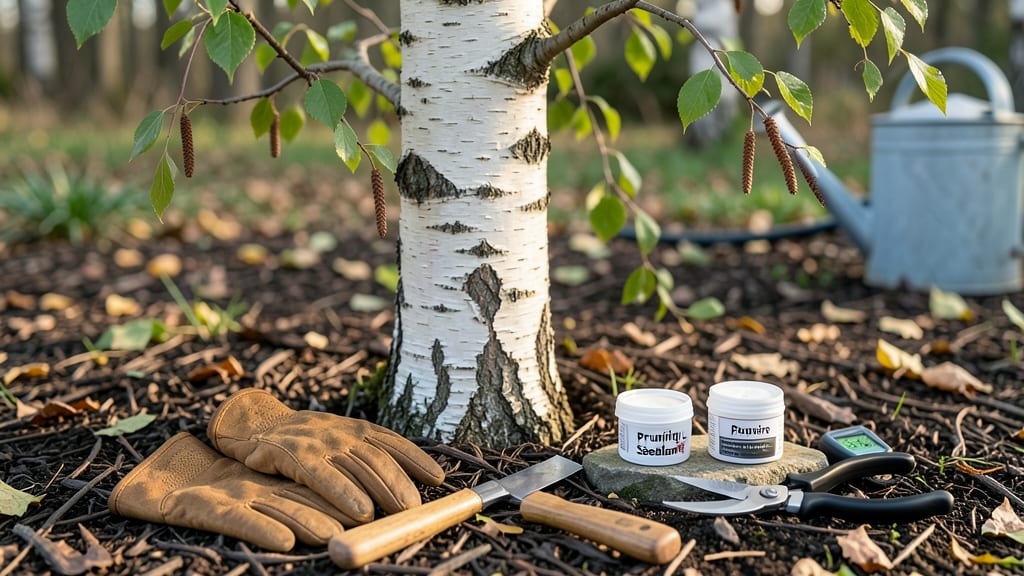
When your tree’s bark peeling treatment is needed—like sunburned skin—it’s not just unsightly; it’s a cry for help. 🌳 I’ve seen this happen after harsh winters, pest invasions, or even overzealous pruning, and the good news is most cases aren’t hopeless.
The key is identifying whether it’s environmental stress, disease, or pests, then treating it gently to restore that smooth, healthy bark your tree deserves.
First, check for common culprits: sun scald (south-facing bark damage), bark beetles (tiny holes and sawdust piles), or fungal infections (mushy, discolored bark). If it’s environmental, a simple protective coating of tree paint or white latex paint can shield the bark from winter sunscald.
For pests, neem oil or horticultural oil sprays work wonders—just apply when the pests are active (late spring or early summer).
You’ll notice the difference within weeks: new growth appears firmer, peeling slows, and the tree’s overall health improves. The best part? These treatments are budget-friendly and easy to DIY, even for beginners. Just avoid heavy pruning during treatment—stress from cuts can make peeling worse.
If the damage covers more than 25% of the trunk or oozes sap, though, it’s time to call an arborist. Some issues, like advanced fungal rot, need professional care.
But for most backyard trees, a little TLC brings them back to life—literally. Think of it as a spa day for your tree’s skin!
The Hidden Triggers Behind Bark Peeling
When your tree’s bark starts peeling like an overripe banana 🍌, it’s rarely just a cosmetic issue—it’s a cry for help. Understanding the root causes of bark peeling is the first step to restoring your tree’s health.
Below, we break down the science behind why this happens, so you can diagnose the problem like a pro.
Trees are tough, but they’re not immune to Mother Nature’s mood swings. Extreme temperature fluctuations—especially between scorching heat and freezing cold—can cause the outer bark to split and peel. Here’s why:
- Rapid Expansion & Contraction: Bark expands when warm and contracts when cold. If the temperature shifts too quickly, the bark can crack, creating weak spots where peeling starts. Think of it like a balloon popping under pressure.
- Sun Scald: Intense sunlight (especially in winter) heats the bark, while freezing nights cause the underlying tissue to freeze. This creates a thermal shock that forces the bark to separate from the cambium layer (the tree’s growth engine). Common in young, thin-barked trees like maples or birches.
- Drought Stress: Prolonged dry spells dehydrate the tree, making the bark brittle and prone to peeling. Without moisture, the bark loses elasticity and splits under its own weight.
💡 Pro Tip: Mulch your tree’s base to regulate soil temperature and retain moisture. Water deeply during droughts, but avoid overwatering—soggy roots are just as harmful.
Not all peeling bark is harmless—some is a red flag for invasive pathogens. Fungi and bacteria thrive in damaged bark, accelerating peeling and weakening the tree’s structure.
| Pathogen | How It Causes Peeling | Signs to Watch For |
|---|---|---|
| Armillaria Root Rot (Honey Fungus) | Attacks the cambium, causing the bark to slough off in patches. The fungus spreads via rhizomorphs (thread-like roots) underground. | Mushrooms at the base, dark streaks under peeled bark, and overall tree decline. |
| Bacterial Leaf Scorch | Clogs the tree’s water-conducting vessels, leading to bark splitting and peeling as the tree struggles to transport nutrients. | Brown, crispy leaf edges (even on young leaves), wilting, and black streaks in the bark. |
| Canker Diseases (e.g., Nectria) | Creates sunken, dead patches (cankers) that expand, causing the bark to peel away in irregular shapes. | Oozing sap, dead branches, and peeling bark with a “target-like” pattern. |
⚠️ Warning: If you suspect a fungal or bacterial infection, act fast. Prune infected branches below the canker (by 6–12 inches) and sterilize tools with rubbing alcohol to prevent spread.
Trees don’t peel because of poor manners—they peel because of bad cuts. Aggressive pruning, lawnmower wounds, or even animal scratches can trigger peeling bark by exposing the cambium to air and pathogens.
- Improper Pruning Cuts: When you cut too close to the trunk or leave jagged edges, the tree’s healing response (callus formation) fails, leading to bark splitting. Always prune at a 45-degree angle, ¼-inch above a branch collar.
- Lawn Equipment Trauma: Mowers, trimmers, and even shovels can girdle the trunk (remove a strip of bark), strangle the tree, and cause peeling above the wound. A 1-inch-deep gash can kill a tree within months.
- Animal Damage: Deer rubbing their antlers or rodents gnawing bark create entry points for pests and disease. Look for smooth, chewed patches or vertical scars.
🔪 Fix It: Seal minor wounds with pruning paint (only on cuts >2 inches wide) to protect the exposed wood. For severe damage, consult an arborist to assess structural integrity.
Some peeling bark is a buffet sign for hungry pests. Insects like bark beetles, borers, and scale insects burrow under the bark, tunneling and weakening it until it peels away like a sunburned arm.
- Bark Beetles: These tiny wood-boring beetles lay eggs under the bark. Their larvae create S-shaped galleries that disrupt the tree’s nutrient flow, causing the bark to peel in strips. Common in stressed pines, spruces, and oaks.
- Emerald Ash Borer (EAB):strong> This invasive beetle’s larvae tunnel just under the bark, creating D-shaped exit holes. Infested ash trees often develop vertical splits and peeling bark as the infestation spreads.
- Scale Insects: These sap-sucking pests secrete honeydew, which attracts sooty mold. The mold darkens the bark, making it brittle and prone to peeling. Look for white, cottony patches or black streaks.
🐜 Pest Control Tips:
- Inspect for frass (sawdust-like debris) at the base of the tree.
- Use beneficial nematodes or insecticidal soap for early-stage infestations.
- For severe cases, consult an arborist about systemic insecticides (e.g., imidacloprid).
Now that you know the why, the next step is the how—stay tuned for our deep dive into treatments and prevention strategies to bring your tree’s bark back to its smooth, healthy glory. 🌿✨
Fixing Peeling Bark Naturally
Peeling tree bark can be a sign of stress, disease, or environmental factors—but the good news is that many causes have simple, effective solutions. Below, we’ll map common issues to practical fixes, from quick remedies to long-term care. Prevention tips are included to keep your tree thriving for years.
Fix: Protect vulnerable bark with bark wraps or tree guards during winter. Apply a light layer of tree paint (water-based, non-toxic) to shield exposed areas from extreme temperatures. For minor peeling, gently scrape off loose bark with a soft brush and apply pruning sealant to prevent infection.
Prevention Tips:
- 💡 Mulch around the base (3–4 inches deep) to insulate roots.
- 🌡️ Avoid late-season fertilizing, which can stress trees before winter.
- ✨ Water deeply before the first frost to help trees prepare.
Fix:
- 🔥 Identify the pest—look for tiny holes, sawdust-like frass, or tunnels under peeling bark.
- 👨🍳 Apply horticultural oil (neem or insecticidal soap) to suffocate eggs/larvae. Reapply every 7–10 days.
- 🔪 For severe cases, consult an arborist for systemic insecticides or beneficial nematodes.
Prevention Tips:
- 🌿 Keep trees healthy—stressed trees attract pests. Prune properly and water consistently.
- 🎯 Install pheromone traps early in the season to catch beetles before they damage bark.
Fix:
- 🥘 Improve soil drainage—amend compacted soil with compost or sand to reduce root stress.
- 🌡️ Use shade cloth during extreme heat or wind to protect young trees.
- 🔪 Remove damaged branches with sterilized pruners to prevent further peeling.
Prevention Tips:
- 💡 Plant trees in microclimates suited to their needs (e.g., avoid windy spots for delicate species).
- 🌱 Water deeply but infrequently to encourage deep root growth.
Fix:
- 🍳 Clean the area—sterilize tools with rubbing alcohol and remove all peeling/bad bark.
- 🔪 Apply copper fungicide or baking soda spray (1 tbsp baking soda + 1 quart water + a drop of dish soap) to stop spread.
- 🌿 For bacterial issues, use streptomycin-based sprays (follow label instructions).
Prevention Tips:
- ✨ Avoid wounding trees—prune only when necessary and make clean cuts.
- 🌧️ Improve air circulation by thinning dense foliage.
If peeling bark reveals large cankers, oozing sap, or widespread dieback, contact an arborist. Some diseases (like anthracnose or canker fungi) require professional treatment to save the tree.
Final Tip: 🌟 Monitor your tree regularly—early action prevents minor peeling from becoming a major issue! With the right care, your tree’s bark can heal and return to a smooth, healthy state.
Frequently asked questions
Why does my tree's bark peel in strips but not flake everywhere?
Strip-like peeling often signals bark beetle or borer activity. These pests tunnel under the bark, creating S-shaped galleries that weaken it in specific paths. Look for tiny holes or sawdust-like frass at the base—this confirms an infestation rather than environmental stress.
Can I use regular paint instead of tree paint to protect bark?
No—regular paint traps moisture and suffocates the tree. Always use water-based, non-toxic tree paint (like Tree Seal or Tree Guard). Apply only to small wounds (≤2 inches wide) during dormant seasons to avoid harming the tree's natural processes.
How often should I check my tree for peeling bark?
Inspect your tree twice a year: once in early spring (before pests wake up) and again in fall (after winter stress). For newly planted trees, check monthly during the first year. Focus on the trunk, major branches, and areas where bark meets soil.
Will pruning paint actually help my peeling bark?
Only for cuts larger than 2 inches wide. Pruning paint prevents disease entry but doesn't heal existing peeling. For environmental peeling, use tree wrap instead. Always clean tools with rubbing alcohol before/after pruning to avoid spreading pathogens.
When should I call an arborist instead of DIY treatments?
If you see oozing sap, mushrooms at the base, or peeling covering more than 25% of the trunk, contact a professional. These signs often mean advanced fungal rot or structural weakness that requires specialized care. Never attempt to treat these yourself.