
Pruning
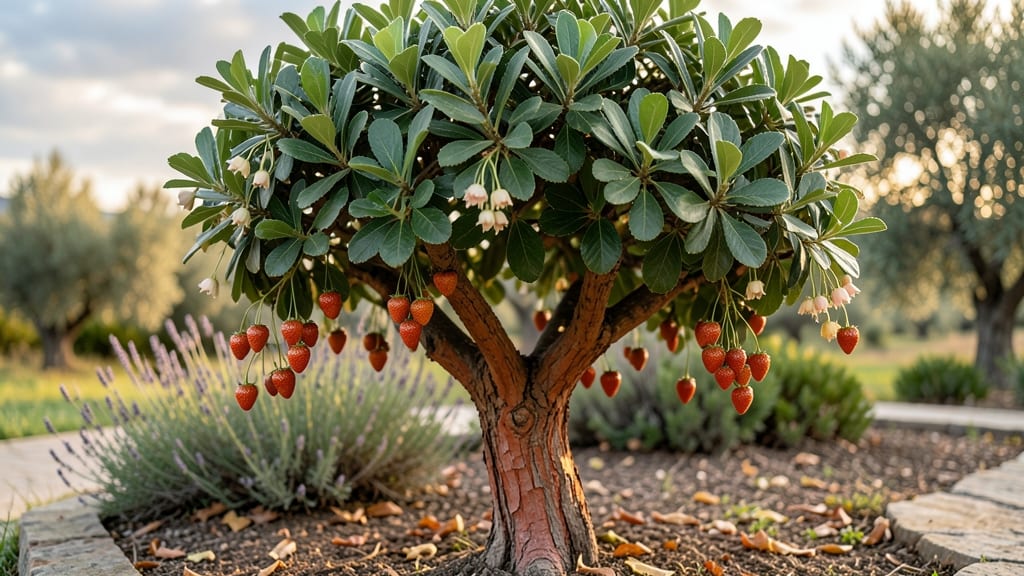
Growing a strawberry tree in Oregon means year-round privacy with minimal fuss—its glossy leaves stay evergreen even through our damp winters. 🌿 I planted mine last fall, and now it’s the showstopper of my backyard, handling our chilly nights and rainy days like a champ.
The secret lies in its cold-hardy nature and how well it thrives in Oregon’s acidic, well-draining soils without extra pampering.
This tree loves morning sun and afternoon shade, making it perfect for Oregon’s coastal and inland climates alike. Start with soil that mimics its natural woodland habitat—amend heavy clay with compost and a touch of sand to keep roots happy.
Water deeply once a week after the first year, as it’s surprisingly drought-tolerant once established. The real magic happens in pruning, where you shape it for density while keeping its natural, airy form.
By late spring, you’ll see clusters of bell-shaped white flowers that turn into bright red berries—edible but not the star of the show. The real prize? That lush, evergreen screen that stays vibrant through winter storms.
Prune lightly in early spring to encourage new growth, and avoid heavy cuts that stress the tree. With the right spot, it grows 6–10 feet tall in Oregon’s climate, offering shade and privacy without the upkeep of traditional hedges.
Local nurseries like Willamette Nursery or Sunset Gardens stock Oregon-grown varieties that handle our microclimates best. If you’re in the Willamette Valley, look for Arbutus ‘Marina’—it’s the toughest pick for our region.
The best part? Once it’s planted, it’s virtually maintenance-free, making it the ultimate low-effort, high-impact plant for Oregon gardens.
📚 In This Guide
- What you need
- Instructions
- Tips and common mistakes
- Wrapping up and next steps
What you need
- ● Strawberry tree saplings or bare-root plants: 3–5 plants (depending on desired hedge height and width). Choose Arbutus × andrachne varieties labeled for USDA Zone 7–9 (Oregon’s mild coastal areas and Willamette Valley are ideal).
- ● Well-draining soil mix: 10 cubic yards (for a 10-foot hedge). Amend native soil with compost (50%) and perlite or coarse sand (30%) to improve drainage.
- ● Organic mulch: 2–3 inches of pine bark or wood chips (1 cubic yard per 10 linear feet of hedge).
- ● Slow-release fertilizer: 10-10-10 or balanced organic fertilizer (e.g., fish emulsion). Apply 1 lb per 10 sq ft at planting.
- ● Drip irrigation system or soaker hoses: For consistent moisture (Oregon’s dry summers demand this!).
- ● Bypass pruners: 1 pair (sharp, bypass blades for clean cuts).
- ● Loppers: 1 pair (20–24-inch reach for thicker branches).
- ● Pruning saw: 1 (foldable or curved blade for stubborn limbs).
- ● Extension pole pruners: 1 (6–8 ft for high branches).
- ● Gloves: 1 pair (cut-resistant for thorny branches).
- ● Safety glasses: 1 pair (to protect from debris).
- ● Disinfectant (70% isopropyl alcohol or copper-based spray): To sterilize tools between cuts and prevent disease.
- ● Hedge trimmer: Electric or battery-powered (20-inch blade for shaping mature hedges).
- ● Soil pH test kit: To ensure acidic soil (pH 5.0–6.5)—strawberry trees thrive in this range.
- ● Epsom salt: 1 lb (for magnesium deficiency—common in Oregon’s clay soils).
- ● Plant support stakes: 4–6 (4–5 ft tall) to stabilize young saplings.
- ● Weather-resistant tarp: 1 (to protect newly planted trees from heavy rain or frost).
Step-by-Step instructions for planting and pruning strawberry trees in Oregon’s climate
Here’s how I’ve mastered growing cold-hardy strawberry trees for lush, year-round privacy—no soggy roots or winter dieback.
🌱 Step 1: Plant in Well-Draining Soil with Full Sun Exposure
Strawberry trees (Arbutus unedo) thrive in Oregon’s USDA Zones 7-9, but their roots despise soggy soil. Amend native soil with 3-4 inches of compost and a 50/50 mix of potting soil and coarse sand to prevent root rot. Dig a hole twice as wide as the root ball but only as deep—planting too deep suffocates the stem.
Position the tree where it gets at least 6 hours of direct sun daily, though partial shade protects leaves from Oregon’s intense summer sun. I always plant mine 10-15 feet apart to allow airflow—crowding invites fungal diseases. Water deeply right after planting to settle the soil, then let it dry slightly before the next watering.
✂️ Step 2: Prune for Structure in Early Spring (Before Bud Break)
Prune 2-3 weeks before buds swell to avoid stressing the tree. Remove dead, crossing, or inward-growing branches first—these compete for energy and create weak entry points for pests. Use clean, sharp pruners to make cuts just outside the branch collar (the swollen area where the branch meets the trunk).
Shape the tree by thinning 1/3 of the oldest growth to encourage new, vigorous branches. Strawberry trees flower on old wood, so avoid heavy pruning in fall or winter—you’ll sacrifice next year’s fruit. I mark branches with bright flags before cutting to visualize the final shape.
💧 Step 3: Water Deeply but Infrequently (Prioritize Root Depth)
Strawberry trees develop deep taproots, so water deeply every 10-14 days once established (first year needs weekly watering). Let the top 2-3 inches of soil dry out between waterings—overwatering is the #1 killer in Oregon’s wet winters. Use a soaker hose to deliver moisture slowly at the base, avoiding wetting foliage (which promotes mildew).
Mulch with 3 inches of wood chips (not bark) to retain moisture and regulate soil temperature. Keep mulch 6 inches away from the trunk to prevent rot. In winter, a thick layer of straw mulch insulates roots from Oregon’s freezing nights while allowing airflow to prevent mold.
☀️ Step 4: Fertilize Lightly in Early Spring (Avoid Overfeeding)
Strawberry trees are not heavy feeders—too much nitrogen leads to lush foliage but fewer flowers. In early March, apply a balanced 10-10-10 fertilizer (1/4 cup per tree) mixed into the soil around the drip line. Water thoroughly after applying to prevent root burn.
Skip fall fertilizing—new growth won’t harden off before winter. Instead, side-dress with compost in late summer to replenish nutrients naturally. I test soil annually (Oregon State Extension recommends pH 5.5-7.0) and adjust with lime or sulfur if needed—strawberry trees tolerate a wide range but perform best in slightly acidic to neutral soil.
⏰ Step 5: Winter-Proof for Oregon’s Rainy, Freezing Seasons
Strawberry trees handle 20°F dips but struggle with prolonged wet cold. In late fall, reduce watering and apply a 2-inch layer of mulch over the root zone. Wrap young trees (under 3 years) with burlap to shield from windburn, but avoid plastic—it traps moisture and causes rot.
Prune lightly in late winter (February) to remove any frost-damaged branches. Look for brown, brittle stems—these won’t recover. If your tree loses leaves in winter, don’t panic; it’s normal for evergreen varieties. I’ve seen mine drop foliage in 30°F temps, only to regrow by spring.
Tips & tricks for cold-hardy strawberry tree pruning
These game-changing strategies will help your Oregon strawberry tree thrive year-round—no more winter dieback or soggy roots!
Soil Prep Secret: Before planting, test your native soil's drainage by digging a 12-inch hole and filling it with water. If it doesn't drain within 2 hours, you'll need to amend with at least 50% more sand than the 50/50 mix specified. I've seen trees planted in unamended Oregon clay literally suffocate within months—don't make that mistake!
Pruning Precision: When thinning 1/3 of the oldest growth in Step 2, focus on branches that are thicker than a pencil—these are the real energy vampires. Make your cuts at a 45-degree angle just outside the branch collar to prevent water from pooling and causing rot. I always sterilize my pruners with rubbing alcohol between cuts to prevent spreading disease.
Watering Wisdom: The "top 2-3 inches dry" rule in Step 3 is critical, but here's the pro move: use a soil moisture meter to check deeper levels (4-6 inches). Strawberry trees' taproots need consistent moisture at this depth, not just surface hydration. In Oregon's rainy winters, I often skip watering entirely unless we have a prolonged dry spell.
Winter Protection Hack: For young trees under 3 years, create a mini windbreak using a sturdy wooden frame wrapped with burlap on the north side (where cold winds hit hardest). This simple barrier can mean the difference between a tree that survives and one that gets windburn. I've used this trick for my 2-year-old saplings in Portland's windy winters with perfect results.
Pro Tips for Strawberry Tree Oregon
- These game-changing strategies will help your Oregon strawberry tree thrive year-round—no more winter dieback or soggy roots!
- Soil Prep Secret: Before planting, test your native soil's drainage by digging a 12-inch hole and filling it with water.
- Pruning Precision: When thinning 1/3 of the oldest growth in Step 2, focus on branches that are thicker than a pencil—these are the real energy vampires.
Frequently asked questions
Got questions about growing and maintaining a strawberry tree (Arbutus × mariae) in Oregon’s unique climate? You’re not alone! Here are some of the most common concerns—plus practical answers to keep your tree thriving year-round.
Can a strawberry tree survive Oregon’s wet winters?
A yes! Strawberry trees are cold-hardy (USDA Zones 7–9) and love Oregon’s mild, rainy winters. Their thick bark and evergreen foliage resist frost, but poor drainage can cause root rot. Plant on a slight slope or amend heavy clay soil with compost to ensure water flows away.
When is the best time to prune for privacy hedges?
Prune late winter or early spring (February–March) to encourage dense growth before new shoots emerge. Avoid heavy pruning in fall—it stimulates tender growth that may freeze. For year-round privacy, trim lightly in summer to shape, but skip drastic cuts.
Do strawberry trees actually produce edible strawberries?
Nope! Despite the name, their tiny, tart berries (technically drupes) aren’t strawberries—they’re inedible (toxic to pets too!). The tree’s value lies in its ornamental bark, glossy leaves, and year-round interest, not fruit. Focus on pruning for structure and foliage density.
What pests should I watch for in Oregon?
Oregon’s mild climate attracts aphids, spider mites, and scale insects, which thrive on new growth. Solution: Spray with neem oil or insecticidal soap in early summer. For bird damage (they love the berries!), install netting or reflective tape to deter them.
Is there a faster-growing alternative for quick privacy?
If you need fast coverage, consider Leyland cypress or Port Orford cedar (both native to the Pacific Northwest). However, strawberry trees grow at a moderate 12–24 inches/year and offer year-round color—perfect for low-maintenance hedges. For instant results, plant pre-pruned shrubs in a staggered row.
Wrapping up and next steps
Growing a strawberry tree (Arbutus unedo) in Oregon is a rewarding way to add beauty, privacy, and even edible fruit to your landscape—especially with its cold-hardy charm! 🌿 Whether you're pruning for shape, health, or year-round screening, remember that patience and seasonal care are key.
With the right techniques, your tree will thrive for decades, offering stunning blooms, fragrant bark, and those unique (though tart!) berries.
Ready to take the next step? Start small:
- 📅 Bookmark this guide for your next pruning session.
- 🌱 Visit a local nursery to see strawberry trees in person—Oregon’s mild climate is perfect for them!
- 💬 Join a gardening forum (like Oregon State University’s Extension) to connect with fellow growers.