
How To
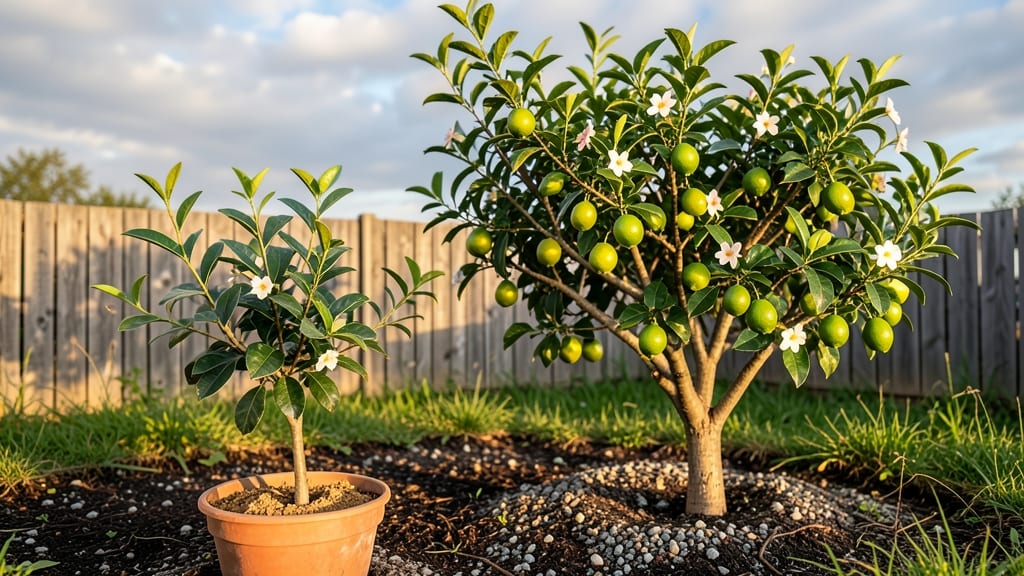
A lime tree’s mature height can range from a compact 8 feet to towering 30 feet, depending on the variety you choose—how tall does a lime tree grow might just change your backyard plans forever 🍋.
Picture this: One year, you’re sipping fresh limeade from your own tree, and the next, it’s blocking your neighbor’s view. The truth is, some lime trees stay small enough for containers, while others grow like jungle giants.
If you’re debating space, the variety you pick could mean the difference between a harvest of limes and a pruning nightmare. Fast-growing varieties like the Meyer lime can hit 10 feet in just a few years, while dwarf types like the ‘Eureka’ stay under 12 feet.
Climate and pruning also play a role—too much shade or neglect can stunt growth, while aggressive trimming keeps even tall varieties manageable.
In this guide, I’ll break down the height ranges by variety, share space-saving tips, and help you pick the perfect lime tree for your garden—whether you want a patio-sized snack source or a full-size fruit powerhouse.


Mature height ranges of lime trees by variety (from dwarf to giant)
Choosing a lime tree isn't just about the tangy fruit—it's about the space commitment. Some varieties stay under 10 feet, perfect for containers, while others reach 30 feet, needing full yard clearance.
The right choice depends on your garden layout and climate. Let's break down the options so you can pick the perfect fit for your space and growing goals.
Lime trees vary dramatically in height, from dwarf varieties that fit patio pots to giant types requiring rural backyards. Even the fastest-growing limes can take 3-5 years to reach maturity, so planning ahead is crucial.
Below, we compare the most popular varieties by their mature height, growth rate, and ideal conditions to help you decide which will thrive in your garden.
Note: These heights assume ideal growing conditions—full sun, well-draining soil, and proper pruning. In cooler climates or containers, expect 20-30% smaller mature sizes. Always check your local USDA hardiness zone before planting, as some varieties are frost-sensitive.
The Meyer lime is my top pick for small spaces—its 10–15 foot mature height makes it perfect for containers or patios. It’s also the most cold-hardy, tolerating brief dips to 20°F with proper protection.
If you’re in USDA zones 8–11 and want a fast fruit producer, this is the variety for you.
For those with larger yards, the Tahiti lime (Bearss) is a powerhouse, reaching 15–25 feet and producing thousands of limes annually. It thrives in tropical climates (zones 9–11) and needs well-draining soil to avoid root rot.
Its fast growth rate means it can outgrow small spaces quickly, so plan accordingly.
If you’re chasing the tallest limes, the Persian lime hits 20–30 feet and grows 3+ feet per year in ideal conditions. This variety is best for warm climates (zones 10–12) and needs full sun to reach its full potential.
Its large canopy provides shade but requires regular pruning to manage height.
Don’t overlook dwarf varieties like the 'Improved Meyer' lime, which stays under 10 feet and is ideal for containers or small balconies. These are perfect for urban gardeners or those with limited space. Just ensure your container is at least 15–20 gallons to support its root system.
When selecting a lime tree, consider your local climate and garden layout. For example, a Meyer lime in zone 9 may only reach 8–10 feet due to cooler winters, while a Persian lime in zone 11 could tower over 25
How to choose the right lime tree size for your space
Choosing the right lime tree size depends on your space and long-term goals. A standard lime tree can reach 20-30 feet tall, making it unsuitable for small yards or containers.
Meanwhile, dwarf varieties stay between 8-12 feet, perfect for patios or urban gardens. Understanding these differences helps you avoid costly mistakes like overcrowding or wasted space.
Your planting method—container vs. in-ground—also dictates size limits. Container-grown lime trees need dwarf or semi-dwarf varieties to thrive, while in-ground planting offers more flexibility. Urban gardeners often opt for compact varieties like the Meyer lime, while rural areas can accommodate larger trees like the Persian lime.
Lime Tree Size Comparison
- ✅ Ideal for containers or small patios
- ✅ Faster fruit production (3-5 years)
- ✅ Low-maintenance pruning needs
- ✅ Perfect for urban gardens
- ✅ Higher fruit yield over time
- ✅ Suitable for rural yards or large properties
- ✅ Longer lifespan (20+ years)
- ✅ Needs regular pruning to control height
- ❌ Limited root space in containers
- ❌ Requires larger pots (15+ gallons)
- ❌ Smaller fruit quantity per tree
- ❌ Needs 20+ feet of clearance
- ❌ Higher pruning maintenance
- ❌ Not ideal for small spaces
Pro Tip: Measure your space before buying! A 10-foot tree needs at least 10 feet of sky and 6 feet of ground space for roots. 🌳
To estimate a lime tree's growth over 5-10 years, start with its annual growth rate. Dwarf varieties grow 1-2 feet per year, while standard trees can add 3-5 feet annually in ideal conditions.
For example, a 6-foot Meyer lime at planting could reach 12 feet in 5 years with proper care.
Pruning is your best tool to control height and boost fruit production. Structural pruning in early spring removes water sprouts and shapes the tree, while fruit-thinning pruning in summer improves air circulation. Aim to keep the canopy 6-8 feet wide for easy harvesting and sunlight access to lower branches.
For urban gardens, prioritize container-friendly varieties like the Meyer lime or Tahiti lime. Use a 15-20 gallon pot with drainage holes and repot every 2-3 years as roots grow.
In rural settings, standard varieties thrive with full sun exposure and well-draining soil, producing abundant fruit for decades.
Remember, even dwarf trees need space—don’t crowd them with other plants. If you love limes but lack yard space, consider grafting a dwarf variety onto a semi-dwarf rootstock for a balance of size and productivity. With the right choice, you’ll enjoy homegrown limes without sacrificing your garden’s layout! 🍋✂️