
Flowers
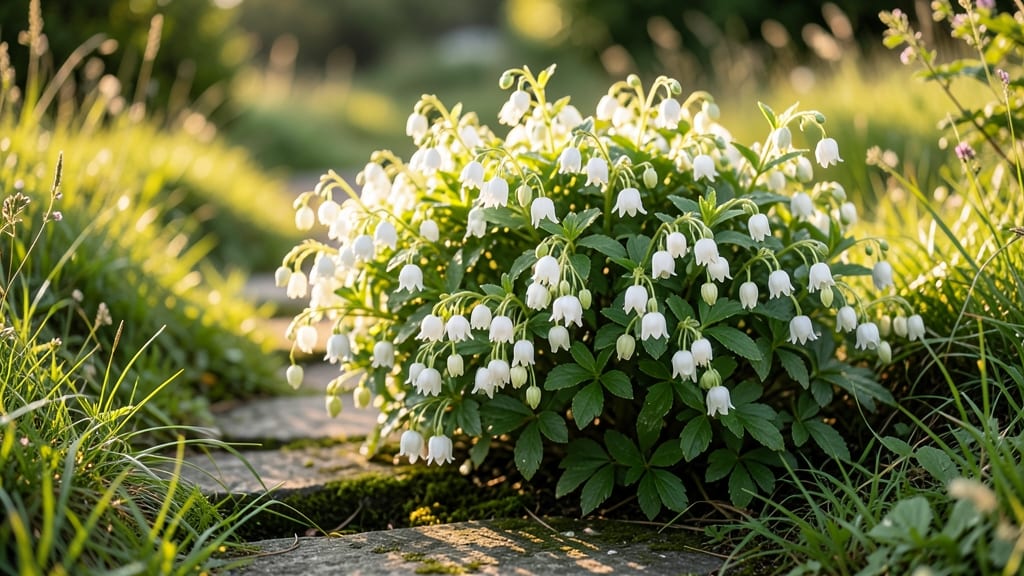
Transform your garden into a fragrant paradise with these ten sweet-smelling trees adorned with delicate white flowers. Their intoxicating scents and elegant blooms create a serene atmosphere that attracts pollinators while enhancing your outdoor space year-round.
Bridal Wreath Spirea for Springtime Elegance
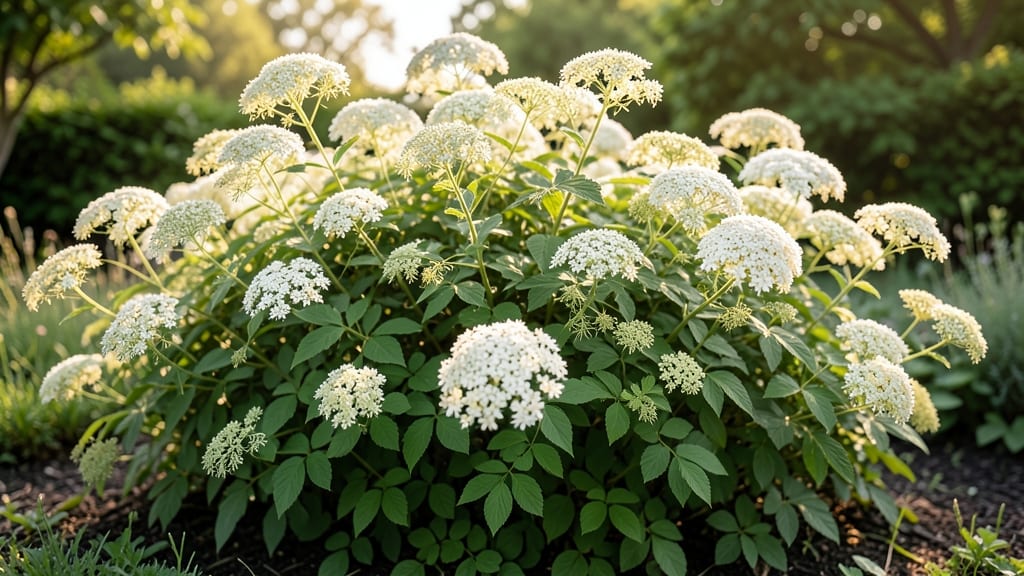
Craving a fragrant spring centerpiece that thrives where others fail? Bridal Wreath Spirea delivers clusters of tiny white flowers that perfume the air for weeks—starting in early spring—while happily growing in partial shade, where many trees refuse to flourish.
This low-maintenance shrub (often mistaken for a tree) blooms prolifically with delicate, snow-like flower clusters that attract bees and butterflies. It thrives in USDA zones 3-8, handles drought once established, and even tolerates urban pollution, making it perfect for city gardens. Prune lightly after flowering to maintain its rounded shape.
Ideal for cottage gardeners, pollinator enthusiasts, or anyone with shady spots, this plant offers effortless elegance with minimal care. 🌷
Fringe Tree for Dramatic Summer Fragrance
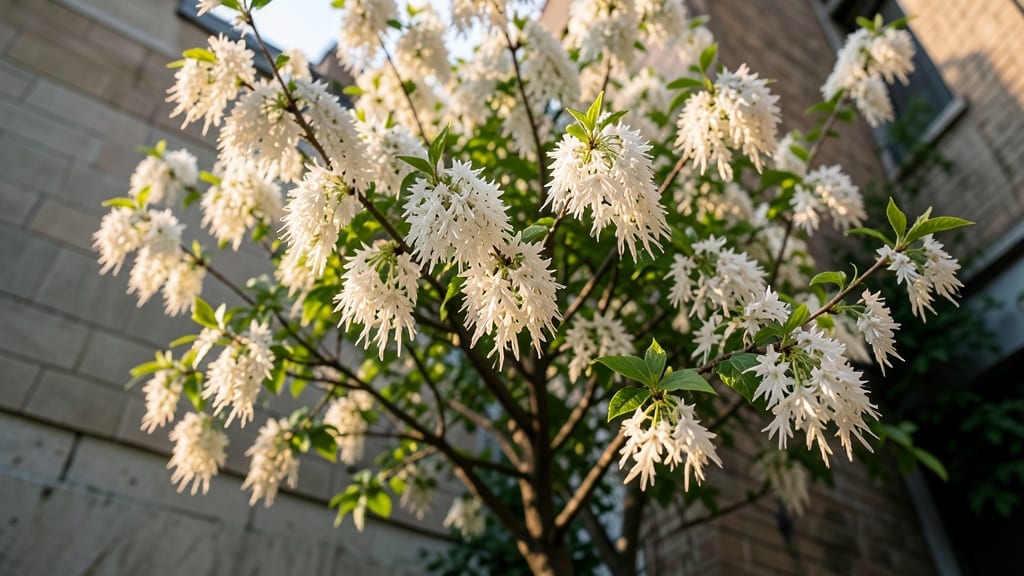
If you're dreaming of a fragrant urban garden that packs a punch with minimal space, the fringe tree (Chionanthus virginicus) delivers a honey-sweet scent that lingers for weeks. Unlike other flowering trees, its delicate, fringe-like blooms appear in late spring—just when city air feels stale—and create a magical, almost tropical atmosphere.
This medium-sized tree thrives in full sun to partial shade and handles urban conditions like pollution and compacted soil better than many ornamentals. Its drought-tolerant nature makes it perfect for water-conscious gardeners, while its glossy green leaves add year-round interest. Prune lightly after blooming to maintain its natural shape without sacrificing next year's fragrant display.
Urban gardeners and small-space enthusiasts will love how this tree transforms patios and narrow yards into fragrant retreats. Its low-maintenance nature and dramatic scent make it a standout for anyone who wants big impact with minimal effort. 🌻
Japanese Snowbell for Subtle Evening Scent
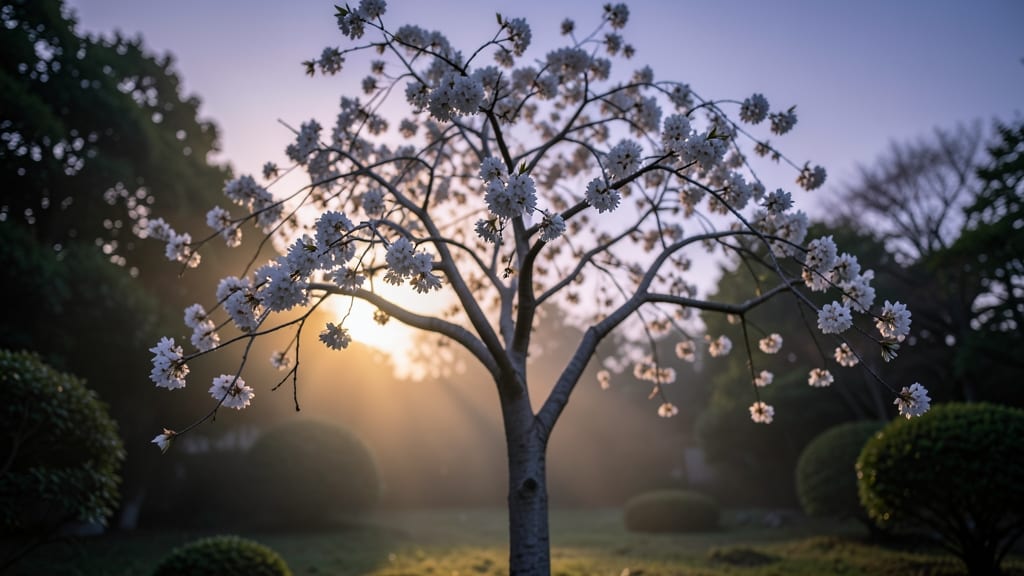
Craving a garden that comes alive after dark? The Japanese Snowbell (Styrax japonicus) is your secret weapon for evening elegance, releasing its subtle, honey-like fragrance as the sun sets—when most gardens grow quiet.
This graceful tree thrives in partial shade to full sun, making it ideal for understory planting or as a focal point near patios. Its bell-shaped white flowers bloom in late spring to early summer, and their scent intensifies at dusk, creating a magical atmosphere. For best results, plant in moist, well-drained soil and prune lightly after flowering to maintain its natural shape.
Perfect for gardeners who love nighttime strolls or want to extend their garden's sensory experience, this tree also attracts pollinators like moths and bees after dark. 🌿
Mock Orange for Classic Citrusy Perfume
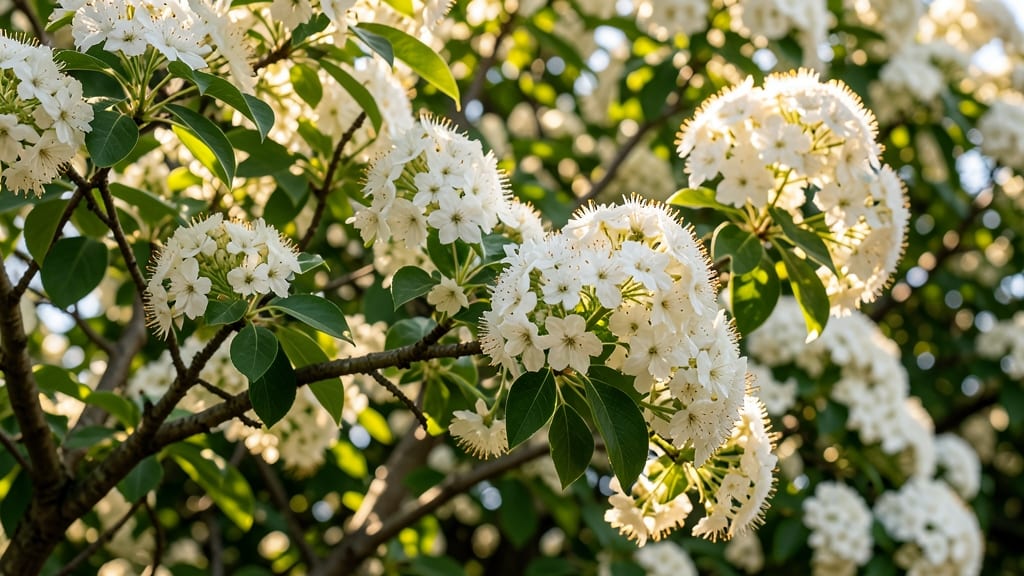
Craving a garden that smells like a citrus grove without the oranges? The mock orange (Philadelphus coronarius) delivers that signature orange blossom fragrance—so potent it’s a favorite among perfumers and gardeners alike.
This deciduous shrub thrives in partial shade to full sun and blooms in late spring with clusters of highly aromatic white flowers that linger in the air for hours. Prune lightly after flowering to encourage bushier growth, and watch it reward you with year-round interest—even the seed pods add texture. Perfect for hedges, borders, or as a standalone specimen.
Ideal for those who love strong scents and low-maintenance plants, mock orange brings a tropical vibe to any garden while attracting bees and butterflies. 🌻
White Flowering Dogwood for Seasonal Beauty
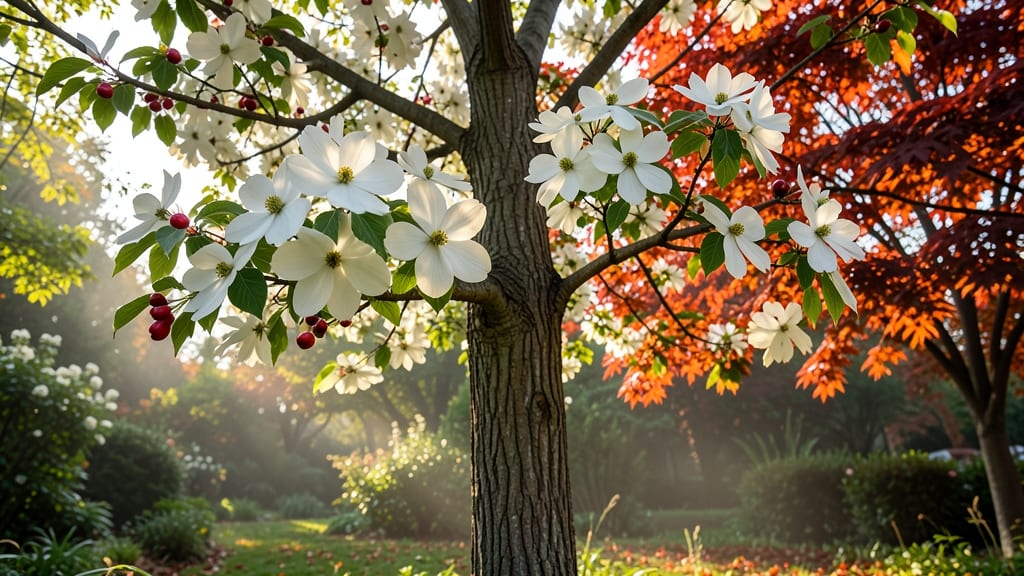
Craving a tree that turns heads in spring and puts on a foliage show later in the season? The white flowering dogwood (Cornus florida) delivers with its striking white bracts that frame tiny yellow centers, followed by vibrant red berries and fiery fall foliage. This multi-season star thrives in partial shade to full sun, making it ideal for understory planting or as a focal point near patios where you can enjoy its subtle sweet fragrance up close.
Plant it in well-drained, slightly acidic soil (pH 4.5-6.0) for optimal performance, and give it space to mature—these trees reach 20-30 feet tall with a rounded canopy. Prune lightly in late winter to remove dead wood while preserving the natural shape. The dogwood’s adaptable nature makes it perfect for both woodland gardens and urban landscapes, where it adds structure and seasonal interest without demanding constant attention.
Landscape designers love dogwoods for their ability to create visual anchors—pair one with spring bulbs like daffodils to extend the show, or use it as a backdrop for perennials that bloom when its foliage turns fiery. 🌟
Crabapple Tree for Dual Season Interest
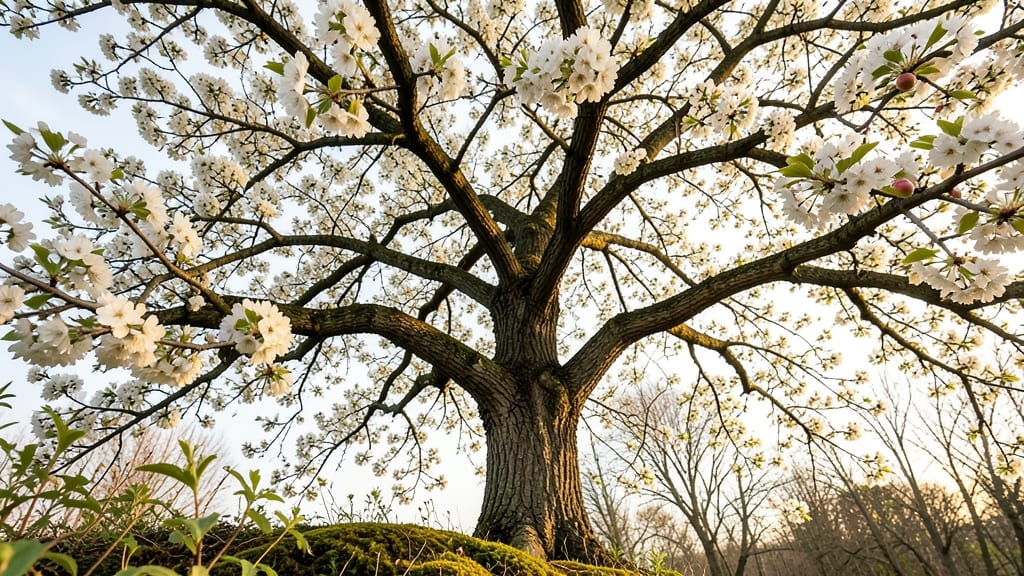
If you love the idea of a tree that gives you two seasons of beauty in one, the crabapple tree delivers with a stunning spring show followed by fragrant fall harvests. Unlike many flowering trees that offer only one peak season, crabapples provide white blossoms in spring that transition into tiny, apple-scented fruits that persist into autumn.
These trees thrive in full sun to partial shade and are remarkably adaptable to different soil types, making them ideal for both rural landscapes and urban gardens. The subtle apple fragrance from the fruits adds a unique sensory experience that fruit enthusiasts will appreciate, while the tree's compact size (typically 15-25 feet tall) makes it perfect for smaller properties.
Perfect for gardeners who want both beauty and functionality, crabapple trees also provide excellent wildlife value by attracting birds and pollinators. 🌟
White Lilac for Classic Fragrance Garden Staple
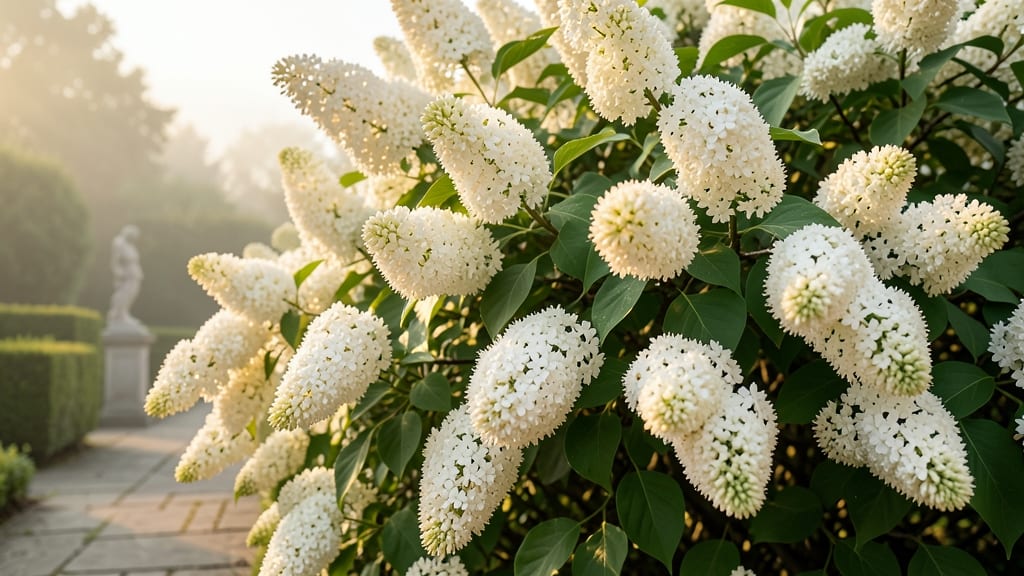
If you crave a garden that smells like a grandma’s perfume box, white lilac is your go-to plant. Its intensely fragrant clusters—often compared to lavender and jasmine—create a signature scent that fills the air for weeks in late spring, making it a must-have for formal gardens or as a fragrant privacy screen.
This classic shrub thrives in full sun to partial shade and adapts to most well-drained soils, though it prefers slightly acidic conditions. Prune immediately after flowering to maintain its shape and encourage next year’s blooms. The dense foliage also provides year-round interest, with butterflies and bees flocking to its nectar-rich flowers.
Perfect for gardeners who love low-maintenance plants with high impact, white lilac adds both beauty and fragrance to any landscape—whether you’re lining a driveway or adding height to a flower bed. 🌷
Sargent Cherry for Early Spring Delight
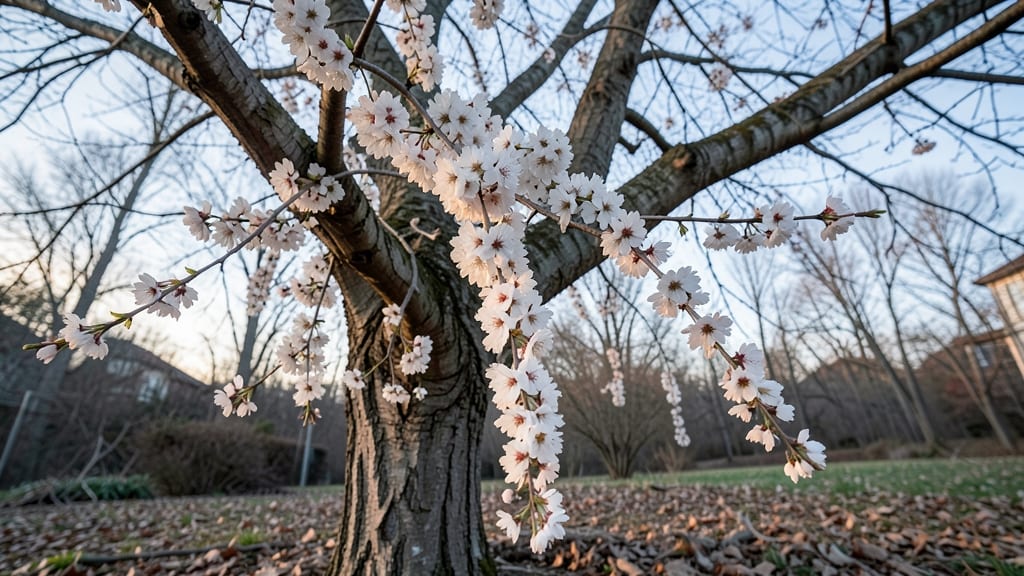
If you're craving a burst of fragrance when spring barely whispers "hello," the Sargent cherry (Prunus sargentii) is your answer. This underrated gem blooms in late winter to early spring—often before leaves emerge—delivering clusters of sweetly fragrant white flowers that perfume the air for weeks.
Native to Japan and Korea, this tree thrives in USDA zones 4-7 and prefers full sun to partial shade, making it adaptable for both rural and suburban gardens. Its delicate blooms attract early pollinators like bees and butterflies, while its dark red bark adds winter interest. Prune lightly after flowering to maintain shape without sacrificing next year’s blossoms.
Perfect for gardeners who want to brighten early spring with minimal effort, the Sargent cherry is a standout for small spaces or as a focal point in larger landscapes. 🌱
White Flowering Pear for Low-Maintenance Elegance
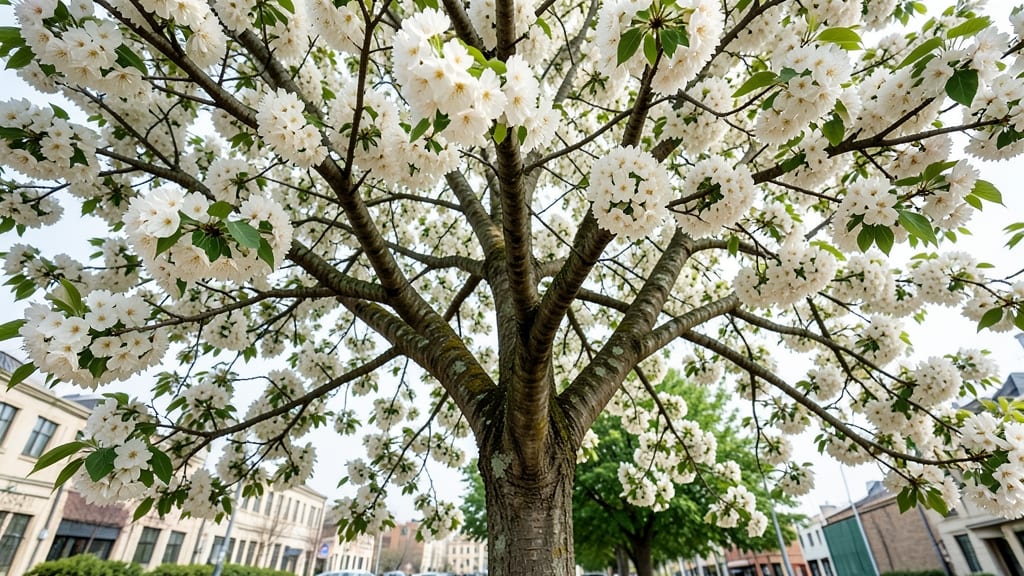
If you crave a tree that effortlessly combines beauty and resilience, the white flowering pear (Pyrus calleryana) delivers with its cloud-like display of fragrant white blooms that transform any space into a serene retreat. Unlike high-maintenance trees, this variety thrives in urban conditions, tolerating pollution, drought, and even compacted soil—making it perfect for city gardens or tight backyards.
Plant it in full sun for the most abundant blooms, but it adapts well to partial shade. The tree’s disease-resistant nature means fewer pesticides and less fuss, while its smooth, exfoliating bark adds year-round interest. Prune lightly after flowering to maintain shape, but avoid heavy cuts—this tree rewards minimal effort with maximal impact. Its subtle, sweet fragrance lingers just enough to create a peaceful atmosphere without overwhelming neighbors.
Urban gardeners and busy homeowners will love how this tree brightens spaces with low-maintenance elegance, while pollinators adore its nectar-rich flowers. 🌟
Deutzia for Long-Lasting Fragrance Clusters

If you love a garden that smells like a springtime walk through a meadow, deutzia is your perfect compact companion. This underrated shrub packs a fragrant punch with delicate clusters of white, bell-shaped flowers that perfume the air for weeks in late spring.
Unlike many flowering trees, deutzia thrives in partial shade to full sun and handles moist, well-drained soil beautifully—making it ideal for urban gardens or containers. Prune lightly after flowering to maintain its bushy form, and enjoy continuous blooms that attract bees and butterflies without taking up much space.
Perfect for small gardens, patios, or even as a fragrant hedge, deutzia brings effortless elegance with minimal fuss. 🌷