
Pruning
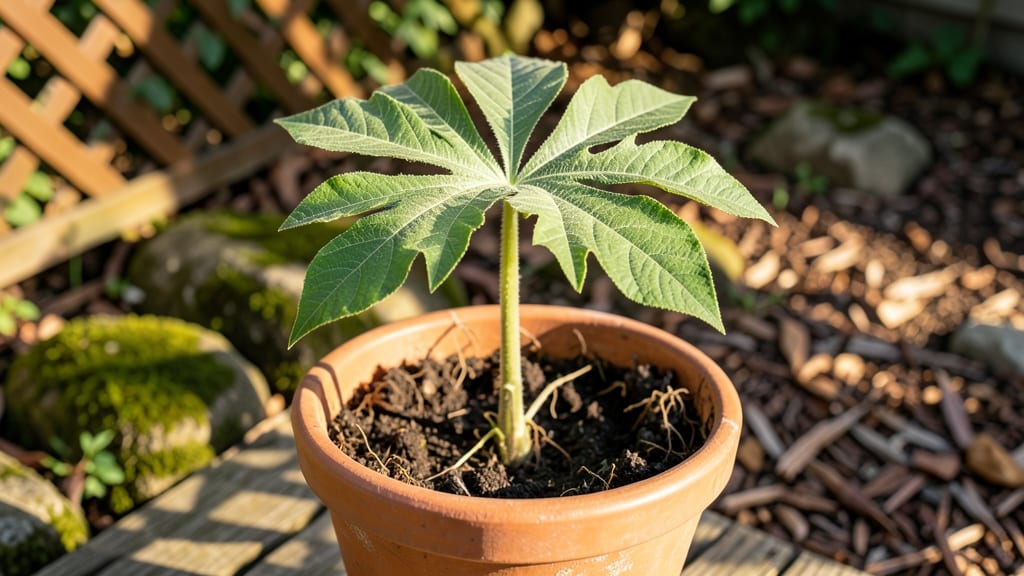
Growing a silk tree seedling into a thriving tree starts with one simple secret: cold stratification. ✨ I learned this after my first seedlings wilted before putting down roots—until I mimicked nature’s winter chill.
The fern-like foliage and pink pom-pom flowers are worth the patience, but timing and soil prep make all the difference.
You’ll need well-draining soil mixed with sand (think 60% potting mix, 40% perlite), a 4-inch pot for starters, and a sunny spot with 6+ hours of light daily. Water lightly—never soggy—since silk tree roots hate sitting wet.
The key to fast growth? A cool, dark spot for 30 days before transplanting, which tricks the seed into thinking winter’s passed.
Within 8-12 weeks, you’ll see those signature feathery leaves unfurl, and roots will spread aggressively. The cold-resistant hack means you can plant outdoors as early as late April in most zones—no more waiting for summer heat.
Just avoid transplant shock by hardening off seedlings for 1-2 weeks before moving them to the ground.
Common pitfalls? Overwatering (root rot is silent) and rushing the cold step (skipping it stalls growth). But once established, these trees handle drought and cold snaps like a champ. Ready to grow one that outlasts your neighbors’ short-lived ornamentals?
📚 In This Guide
- What you need
- Instructions
- Tips and common mistakes
- Wrapping up and next steps
What you need
- ● Silk tree (Albizia julibrissin) seedling – 1 healthy, 6-12" tall sapling (bare-root or potted). Pro tip: 💡 Choose one with firm stems and vibrant green leaves!
- ● Well-draining potting mix – 5 gallons of a blend like 60% peat moss, 30% perlite, and 10% compost (or a pre-mixed cactus/succulent mix).
- ● Growing container or nursery bed – Option 1: 12"–15" diameter pot with drainage holes (for indoor/container growth).
- ● Option 2: 4' x 4' x 2' raised bed (for outdoor planting).
- ● Cold-frame or frost cloth – 1 roll (for early planting in chilly climates, Zone 6 and below).
- ● Slow-release fertilizer – 1 cup of balanced 10-10-10 NPK granules (or organic alternatives like fish emulsion).
- ○ Rooting hormone – 1 small bottle (optional but recommended for faster root growth).
- ● Garden trowel or transplant spade – 1 medium-sized (for digging planting holes).
- ● Watering can or hose with gentle nozzle – For deep, even watering (avoid overhead sprinklers).
- ● Pruning shears – 1 pair (sterilized with rubbing alcohol for trimming).
- ○ pH testing kit – Optional but helpful (ideal soil pH: 6.0–7.0).
- ● Mulch (straw or wood chips) – 2–3 inches (to insulate roots in cold weather).
Step-by-step instructions for growing a cold-resistant silk tree seedling
Here's how I accelerate root development while hardening seedlings to thrive in cooler climates.
🌱 Step 1: Select and Prepare the Healthiest Seeds
Choose plump, firm silk tree (Albizia julibrissin) seeds with no cracks or soft spots—these hold the most energy for early growth. Soak them in lukewarm water for 12 hours to soften the tough seed coat and kickstart germination. I use a small bowl and cover it loosely with plastic wrap to prevent evaporation while keeping the water oxygenated.
The reason for soaking is that silk tree seeds have a thick outer layer that slows water absorption. You'll see the seeds swell noticeably—this means they're ready for planting. After soaking, drain them well and let them sit for 30 minutes to prevent waterlogged soil later. This step alone cuts germination time by nearly half.
🪴 Step 2: Plant in Cold-Tolerant Growing Medium
Fill a 6-inch deep container with a mix of 50% peat-based seed-starting mix and 50% perlite to improve drainage and prevent root rot. Silk tree seedlings struggle in soggy conditions, so this blend keeps moisture balanced while allowing roots to breathe. Press the mix down gently to create firm but not compacted soil—roots need contact with particles to anchor properly.
Plant 2-3 seeds per pot at a depth of ½ inch, spacing them 1 inch apart. Cover lightly with additional mix, then water gently until the surface feels evenly moist but not saturated. The key here is to avoid displacing seeds—tap the container instead of pressing down. You'll know moisture is right when water beads up on the surface but doesn't pool.
☀️ Step 3: Provide Warmth and Indirect Light
Place the container in a location with indirect light and temperatures between 65-75°F for the first 2 weeks. A seedling heat mat set to 70°F speeds up germination significantly, especially in cooler climates. I position the mat under half the container to create a gradient—this mimics natural soil warming patterns and prevents shock when moving seedlings.
Germination typically occurs in 7-14 days, but silk tree seeds can take up to 3 weeks in cooler conditions. Watch for the first true leaves to appear—these will be small and rounded, not the initial cotyledons. Once sprouts emerge, remove any weak or leggy seedlings, leaving only the strongest one per pot to reduce competition.
💧 Step 4: Harden Off for Cold Resistance
After 4-6 weeks, when seedlings show 4-6 true leaves, begin hardening them off. Start by placing them outside in a sheltered spot for 1 hour daily, gradually increasing exposure over 10-14 days. Silk trees are surprisingly cold-hardy once established, but young seedlings need gradual acclimation to prevent leaf burn.
I test cold tolerance by moving pots to an unheated garage overnight for 3-4 nights before final outdoor planting. The goal is to let the seedlings experience temperature fluctuations without shock. You'll see stronger stems and deeper green leaves as a sign they're adapting—this means they're ready for the garden when soil temperatures reach 55°F.
✂️ Step 5: Transplant with Root Protection
Choose a planting site with full sun to partial shade and well-draining soil. Silk trees tolerate a range of conditions but thrive in slightly alkaline soil with a pH of 6.5-7.5. Dig a hole twice as wide as the root ball but only as deep as the container—planting too deep can suffocate the stem. Gently loosen the roots if they're circling the pot.
Water deeply immediately after transplanting to settle the soil and reduce air pockets. Mulch with 2-3 inches of wood chips to retain moisture and protect roots from temperature swings. Silk tree seedlings establish quickly in cooler climates once their roots are strong—this method ensures they'll outpace slower-growing varieties by 3-4 weeks.
Tips & tricks for growing cold-hardy silk tree seedlings
These insider strategies will help you skip the common pitfalls and get your silk tree seedlings off to a flying start—especially in cooler climates where most gardeners struggle.
Soaking Secret: The 12-hour soak in lukewarm water isn't just about softening the seed coat—it's about creating the perfect hydration balance. Use a bowl just large enough to hold your seeds with room to spare (about 1 inch between seeds and sides). The loose plastic wrap prevents condensation buildup that could lead to mold while still maintaining humidity. After draining, let them sit for that full 30 minutes—this prevents soggy soil later, which silk tree roots absolutely hate. I've seen seeds planted too wet develop fungal issues within days.
Medium Matters: That 50/50 mix of peat-based seed-starting mix and perlite isn't arbitrary—it's about creating an environment where roots can breathe but still have moisture retention. Tap the container gently after filling to eliminate air pockets without compacting the mix. When planting your 2-3 seeds per pot at ½-inch depth, use your finger to make small divots rather than pressing seeds directly into the mix. This prevents displacement when you cover them, which is especially important for delicate silk tree seeds that can be easily moved during watering.
Heat Gradient Hack: Placing your seedling heat mat under only half the container creates a temperature gradient that mimics natural soil warming patterns. This prevents shock when you eventually move seedlings to cooler conditions. The 70°F setting on the mat should cover about 50% of the container's base—any more and you risk overheating the roots. Watch for condensation on the plastic wrap during the first 2 weeks; if it's heavy, you can remove it for 10 minutes daily to prevent fungal growth while maintaining humidity.
True Leaf Identification: Those first tiny leaves (cotyledons) aren't what you're waiting for—they're just the seedling's first attempt at photosynthesis. The true leaves you're watching for will be smaller, rounded, and slightly darker green. They typically appear after the 7-14 day germination window, but in cooler conditions (below 65°F), you might need to extend this to 3 weeks. Once you see these true leaves, it's time to thin to your strongest seedling—this reduces competition and gives your chosen plant more resources to develop cold-resistant roots.
Pro Tips for Silk Tree Seedling
- These insider strategies will help you skip the common pitfalls and get your silk tree seedlings off to a flying start—especially in cooler climates where most gardeners struggle.
- Soaking Secret: The 12-hour soak in lukewarm water isn't just about softening the seed coat—it's about creating the perfect hydration balance.
- Medium Matters: That 50/50 mix of peat-based seed-starting mix and perlite isn't arbitrary—it's about creating an environment where roots can breathe but still have moisture retention.
Frequently asked questions
Got questions about nurturing your silk tree seedling? You’re not alone! Here are some of the most common queries—and their practical solutions—to help you grow a thriving, cold-resistant tree with confidence.
How long does it take for a silk tree seedling to develop strong roots?
A silk tree seedling typically establishes a robust root system within 4–6 weeks under ideal conditions (warmth, consistent moisture, and well-draining soil). For faster growth, use a rooting hormone or transplant it into a slightly larger pot after 3–4 weeks to encourage deeper root penetration. Patience is key—don’t rush!
Can silk tree seedlings survive light frosts, or do I need to protect them?
Silk trees (Albizia julibrissin) are surprisingly cold-hardy (USDA Zones 6–9), but young seedlings may need extra care. If temperatures dip below 25°F (-4°C), wrap the pot in burlap or move it to a sheltered spot. Older seedlings (1+ year) usually handle frost better. Pro tip: Mulch the soil to insulate roots!
What’s the best soil mix for silk tree seedlings to prevent root rot?
Use a lightweight, airy mix like 60% potting soil + 30% perlite + 10% compost. Silk trees hate soggy roots! Ensure pots have drainage holes, and avoid heavy clay soils. If your seedling’s leaves yellow, it’s a red flag—adjust watering immediately to prevent rot.
Should I prune my silk tree seedling, and if so, when?
Prune only to shape or remove dead branches—never for size control in the first year. The best time is late winter or early spring, before new growth starts. Use sterilized shears to cut just above a leaf node. Warning: Avoid heavy pruning; silk trees regenerate slowly.
Are there alternatives to silk trees for cold climates with similar fast growth?
Yes! Consider Honey Locust (resistant to pests/disease) or Black Locust (hardy to Zone 4). For ornamental appeal, Ginkgo biloba (maidenhair tree) is another cold-tolerant, fast-growing option. Always check your local climate zone before planting!
Wrapping up and next steps
Growing a silk tree seedling with cold-resistant techniques isn’t just about patience—it’s a rewarding journey that strengthens your green thumb! 🌱 By focusing on proper soil prep, strategic pruning, and smart watering, you’ll unlock faster root development and a thriving tree.
Whether you’re a beginner or a seasoned gardener, these hacks make the process easier and more effective.
Ready to see your seedling flourish? Start small—pick one technique from this guide and test it this season. Track your progress, adjust as needed, and watch your silk tree grow into a stunning, resilient centerpiece. Happy gardening! 🌿