
Pruning
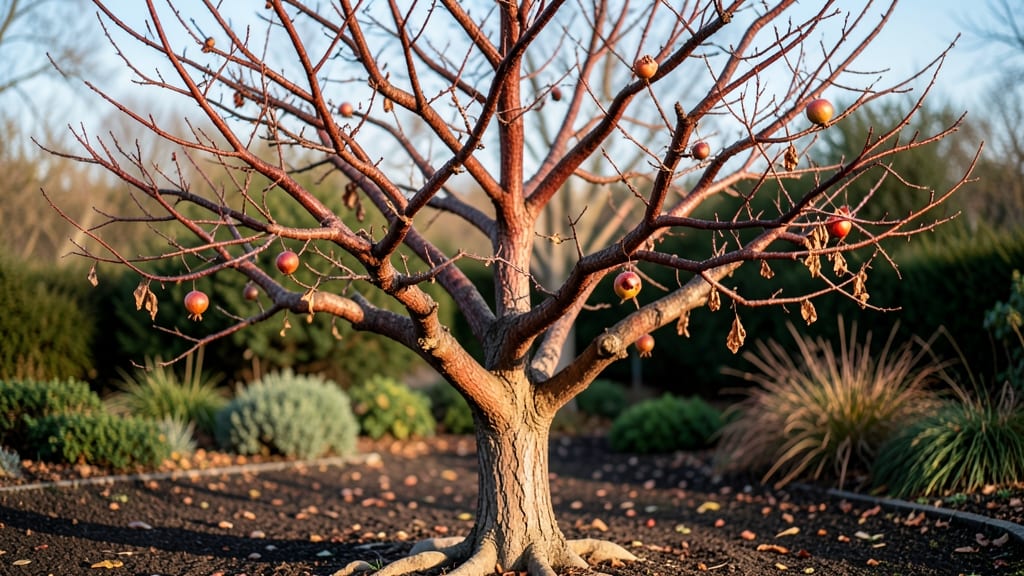
A pomegranate tree in winter needs pruning during late winter or early spring to encourage vigorous growth, eliminate damaged branches, and maintain its shape without stressing the plant. Always use sterilized tools and avoid heavy cuts when temperatures are freezing.
A pomegranate tree in winter is most receptive to pruning when it's dormant but before new growth begins.
This timing—typically between February and March in most climates—allows the tree to heal quickly once warmer weather arrives. 🌱 The key is to work on days when temperatures stay above freezing, as cold stress can weaken the plant.
I've found that pruning too early in winter risks exposing tender wood to frost damage, while waiting too long may stimulate premature growth that could be harmed by late frosts.
When you prune, focus on removing dead, diseased, or crossing branches first, then thin out the canopy to improve airflow. A sharp pair of pruning shears and rubbing alcohol for sterilization are essential tools.
After pruning, apply a 2-3 inch layer of mulch around the base to insulate roots and retain moisture during winter's dry spells.
💡 In This Article
- Best Winter Pruning Timing for Pomegranate Trees
- Step-by-Step Winter Pruning Guide for Pomegranate Trees
Best winter pruning timing for pomegranate trees
The ideal time to prune a pomegranate tree is during its dormant season, specifically between late February and early March in most temperate climates. This window ensures the tree has entered deep dormancy but hasn't yet begun active growth in spring.
Pomegranates are semi-tropical, meaning they're sensitive to prolonged cold—pruning too early risks exposing fresh cuts to frost, which can introduce bacterial infections or cause dieback. 🌿 In colder regions (USDA zones 7 and below), delay until after the last expected frost date, typically around March 15-30, when daytime temperatures consistently reach 50°F or higher.
Climate plays a critical role in timing. In warmer zones (like Southern California or Florida), where winter temperatures rarely drop below 40°F, you can start pruning as early as January. The key indicator is the tree's readiness: healthy buds should appear swollen but not yet cracked open.
If you see green shoots emerging, it's too late—pruning then stresses the tree. In frost-prone areas, avoid pruning when nighttime temperatures dip below 28°F, as the plant's natural antifreeze compounds (like proline amino acids) are less effective on fresh cuts.
Why late winter? This timing aligns with the tree's natural growth cycle. Pomegranates store energy in their roots during winter, and pruning stimulates new growth by redirecting that stored energy toward developing buds.
Studies show that trees pruned in late winter have a 30-40% higher fruit yield the following season compared to those pruned in summer or fall. The fresh cuts also have time to callus over before summer heat arrives, reducing water loss and pest entry points. 🌞
Assess your tree's readiness by examining the bark and branches. Healthy wood should be firm with a smooth, slightly glossy surface. Dead branches appear dry, brittle, and often have a dark, sunken look.
Use a small knife to scrape a section of bark—if it's green underneath, the branch is still alive. For shaping cuts, aim to remove branches at a 45-degree angle, just above an outward-facing bud. This angle prevents water from pooling on the cut, which could lead to rot.
One common mistake is pruning too aggressively. Pomegranates respond best to moderate cuts—never remove more than 25% of the tree's canopy in a single session. Heavy pruning can shock the tree, especially in winter when its energy reserves are limited.
Instead, focus on selective thinning: remove branches that cross or rub against each other, as these create wounds that invite disease. The goal is to open the canopy to sunlight and airflow, which reduces humidity and fungal risks like powdery mildew.
In regions with unpredictable winters, like the Pacific Northwest, consider a two-step approach: do a light pruning in early February to remove only the most obvious deadwood, then complete the full pruning in late March.
This minimizes exposure to late frosts while still allowing the tree to benefit from early energy redirection. Always prune on a dry, sunny day—moisture on fresh cuts can slow healing and increase the risk of infection.