
How To
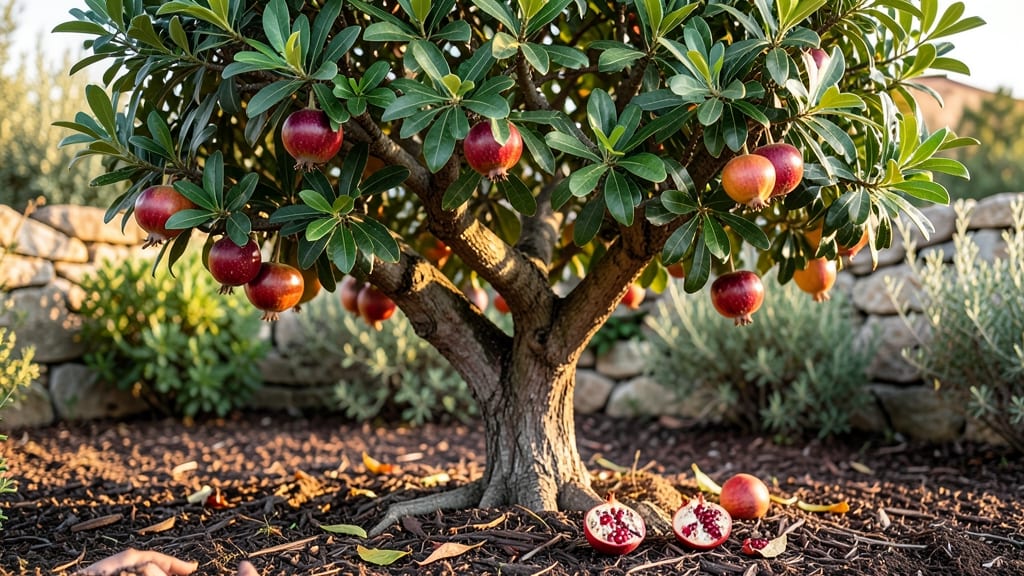
A pomegranate tree grows anywhere from 8 feet to towering 30 feet tall, depending on the variety you choose — and that range might change how you plan your garden.
If you're dreaming of a stunning pomegranate tree in your garden but wondering whether it’ll dwarf your space or thrive modestly, the answer depends entirely on the variety — and it might surprise you.
Some dwarf types stay compact enough for containers, while standard varieties stretch toward the sky like a small tree.
This isn’t just about aesthetics: spacing, sunlight, and even pruning techniques play a huge role in keeping your 🍇 pomegranate tree manageable. Whether you’re working with a 6a zone climate or a cozy balcony, knowing the right height for your variety is the first step to a bountiful harvest.
Below, I’ll break down the height ranges by cultivar, share pruning tips to control growth, and give you the spacing guidelines you need to avoid overcrowding — so you can grow the perfect pomegranate tree for your space.


Pomegranate tree height by variety: dwarf to giant options
Choosing a pomegranate tree isn't just about the delicious fruit—it's about finding the perfect fit for your space. Some varieties stay compact enough for containers, while others grow into towering specimens that need landscape planning.
The height difference between dwarf and standard types can be dramatic, so let's explore your options before planting.
If you're working with limited space, a dwarf pomegranate could be your best bet. These varieties mature between 8 to 12 feet, making them ideal for small gardens, patios, or even large containers.
But if you have room to spare, standard varieties can reach 20 to 30 feet, creating a stunning focal point in your landscape.
Here’s the key: growth habits vary by variety, and some even grow as multi-trunk shrubs rather than single-stem trees. Understanding these differences helps you select the perfect pomegranate for your garden’s layout and your fruit-harvesting goals.
| Variety | Mature Height | Growth Habit | Best For | Notes |
|---|---|---|---|---|
| 'Wonderful' | 15–20 ft | Upright tree | Large gardens | Classic variety, cold-hardy |
| 'Eversweet' | 12–15 ft | Semi-dwarf tree | Medium spaces | Sweet-tart fruit, reliable producer |
| 'Dwarf Pomegranate' | 6–10 ft | Multi-trunk shrub | Containers, patios | Slow-growing, great for small yards |
| 'Sweetheart' | 8–12 ft | Compact tree | Balconies, small gardens | Disease-resistant, early fruit |
| 'Granada' | 20–30 ft | Tall standard tree | Large landscapes | Vigorous grower, needs space |
| 'Mini Marvel' | 4–6 ft | Dwarf shrub | Containers, urban gardens | Perfect for pots, fast fruiting |
For small-space gardening, 'Mini Marvel' and 'Sweetheart' are top choices. These dwarf varieties stay under 6 feet, making them perfect for containers or tight corners. Their multi-trunk growth also adds visual interest without overwhelming your yard.
If you're planting in an open area, 'Wonderful' or 'Granada' will thrive as statement trees. These standard types can reach 20 to 30 feet, so plan for their eventual height when placing them in your landscape.
Their vigorous growth means they’ll need regular pruning to maintain shape and encourage fruit production.
Don’t forget about root spread—even dwarf varieties can have wide canopies. When planting, leave at least 8 to 10 feet of clearance between trees to prevent root competition and ensure healthy growth.
For container growing, choose varieties like 'Dwarf Pomegranate' or 'Sweetheart'. Use a pot with drainage holes and a diameter of at least 18 inches to accommodate their root systems. Remember, container-grown trees may need more frequent watering and winter protection in colder climates.
No matter which variety you choose, pruning plays a key role in managing height. Regular pruning in late winter or early spring helps control growth, improves airflow, and encourages larger fruit production. Always use sterilized tools to prevent disease spread.
Whether you're dreaming of a backyard orchard or a single potted plant, selecting the right pomegranate variety ensures you’ll enjoy its beauty and bounty for years to come.
Start with the variety that fits your space, and don’t hesitate to experiment—some gardeners even grow multiple types for variety in flavor and harvest times!
How much space does a pomegranate tree really need?
Pomegranate trees offer stunning foliage and delicious fruit, but their space requirements vary wildly depending on the variety. A standard pomegranate tree can reach 20–30 feet tall with a 10–15-foot spread, while dwarf varieties stay under 8 feet.
Understanding these differences helps you plan for optimal growth and fruit production, even in tight spaces.
For urban gardeners or balcony growers, choosing a dwarf variety like 'Wonderful' or 'Eversweet' means you can grow pomegranates in large containers (24"–36" diameter). These compact trees thrive with 6–8 feet of clearance and pruning to control spread.
Meanwhile, standard varieties need at least 20 feet of space to avoid overcrowding nearby plants.
🌱 Key Takeaway: Pomegranate Tree Space Needs
| Type | Mature Height | Spread | Ideal Spacing |
|---|---|---|---|
| Dwarf Varieties | 6–10 ft | 6–8 ft | 10–12 ft apart or in 24"–36" pots |
| Semi-Dwarf | 12–18 ft | 10–12 ft | 15–20 ft apart |
| Standard | 20–30 ft | 15–20 ft | 25–30 ft apart |
💡 Pro Tip: Always account for root spread (2x the canopy width) to prevent competition for nutrients and water.
Root spread is often overlooked but critical—pomegranate roots can extend 2–3 times the canopy width. Planting too close to structures, fences, or other plants can lead to stunted growth or poor fruit production. If space is limited, prune roots annually to redirect energy toward fruit-bearing branches.
In containers or small yards, prioritize well-draining soil and regular pruning to maintain size.
A 5-gallon container works for young dwarf trees, but upgrade to at least 15–25 gallons as they mature. Balcony growers should choose self-pollinating varieties like 'Mollar de Elche' to ensure fruit set without needing multiple trees.
For maximum fruit production, space trees 15–20 feet apart in full sun (6+ hours daily). In smaller gardens, use espalier training to grow trees flat against a fence or wall, saving space while improving air circulation. This method also makes harvesting pomegranates easier and reduces disease risk.
Remember, pruning in late winter encourages compact growth and better fruit quality. Remove suckers and crossing branches to maintain an open canopy, which improves sunlight penetration and air flow. With the right variety and care, even a small urban garden can yield abundant, juicy pomegranates! 🍇