
Blooming
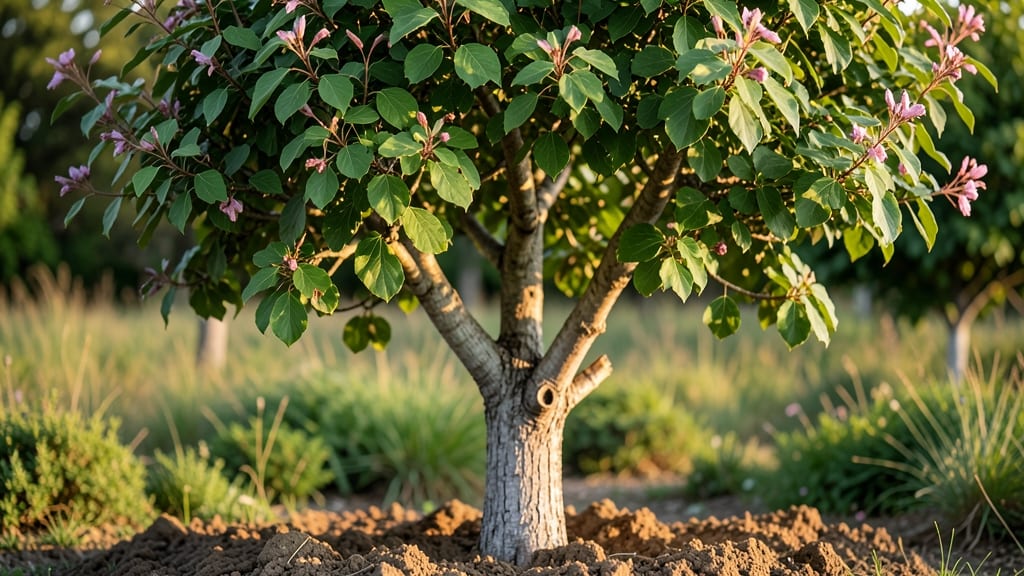
After your redbud tree (Cercis canadensis) dazzles with spring blooms, the real work begins—pruning it right keeps it stunning all year. ✨ I learned this the hard way when my first prune left bare branches where vibrant foliage should have been.
The secret isn't just cutting—it's timing, technique, and knowing what to leave behind for next spring's show. The best time to prune redbuds is right after blooming, when the flowers fade but before new growth hardens.
Grab your pruners and focus on thinning out crowded branches and removing dead wood—never cut into old wood where next year's blooms form. A light touch now means more flowers next spring and a fuller canopy by summer.
What you'll end up with is a redbud that stays lush through summer, develops rich fall color, and sets up for even better blooms next year. The branches will fill out with fresh green leaves, and the tree's natural shape will shine without needing drastic cuts.
For long-term care, add a layer of mulch around the base and water deeply once a week during dry spells. Redbuds handle heat and drought once established, but a little extra care keeps them thriving through every season.
📚 In This Guide
- What you need
- Instructions
- Tips and common mistakes
- Wrapping up and next steps
What you need
- ● Pruning shears: Bypass pruners (for small branches, 5–8 inches) – 1 pair (look for sharp, stainless-steel blades).
- ● Loppers: Long-handled (for branches ½–2 inches thick) – 1 pair (with a ratchet mechanism for leverage).
- ● Pruning saw: Curved-tooth (for thick branches >2 inches) – 1 saw (avoid serrated blades—they tear wood).
- ● Gloves: Heavy-duty gardening gloves (cut-resistant, nitrile-coated) – 1 pair (protects from thorns and sap).
- ● Disinfectant: 70% isopropyl alcohol or rubbing alcohol + paper towels (to sterilize tools between cuts).
- ○ Pruning sealant: Optional (tree wound pruning paste) – 1 small tube (only for cuts >½ inch; skip for redbuds—they heal fast!).
- ● Extension pole: Adjustable (for high branches) – 1 pole (10–12 ft, with a pruner attachment).
- ● Timing: Prune right after blooms fade (late April–May in most zones) or dormant season (late winter). Avoid pruning during active growth or fall.
- ● Weather: Choose a dry, overcast day (humidity slows healing).
- ● Safety gear: Safety glasses (to shield from debris) and closed-toe shoes.
- ● Cleanup supplies: Heavy-duty trash bags (for debris) and pruners (to trim smaller branches on the ground).
- ● 🔥 Sharpen your tools first! Dull blades crush branches, inviting disease. Use a file or sharpening stone.
- ● 🌡️ Work in layers. Start with dead/diseased wood, then thin out crowded branches, and finally shape for airflow.
- ● ✨ Label branches. If removing large sections, tie a bright ribbon to branches you’re keeping as a visual guide.
Instructions for pruning a redbud tree after bloom
Here's how to keep your redbud thriving after its stunning spring display.
✂️ Step 1: Wait Until After Full Bloom
Never prune until after all flowers have dropped—usually 4-6 weeks post-bloom—when you can see fresh, green seed pods forming. Pruning too early removes next year's flower buds, hidden in last year's growth. I wait until late May or early June in my zone 6 garden, when the foliage is fully leafed out but no new seed pods have hardened.
Check for new leaf clusters along branches—these indicate where next year's flowers will form. If you see any lingering buds that haven't opened yet, hold off another week. Redbuds bloom on last year's wood, so timing is everything.
✂️ Step 2: Remove Dead or Crossing Branches First
Start by cutting out any dead, diseased, or broken branches—these are easy to spot as they're brown, brittle, or lack leaves. Use clean, sharp pruners to make 45-degree cuts just outside the branch collar (the swollen area where the branch meets the trunk). I always disinfect my tools with rubbing alcohol between cuts to prevent spreading any hidden infections.
Next, remove any branches that cross or rub against others. These create wounds that invite pests and disease. Look for branches growing inward or upward—these compete with stronger branches and weaken the tree's structure. Make your cuts at the branch collar to avoid leaving stubs that can rot.
✂️ Step 3: Thin the Canopy for Better Airflow
Step back and examine the tree's overall shape. Redbuds naturally grow with a rounded, vase-like form, but over time, branches can get too dense. Selectively remove 10-20% of the smallest branches to improve airflow and sunlight penetration. Focus on branches that are thinner than a pencil—these won't be missed and help open up the canopy.
Cut branches back to their origin or a side branch where they join the main stem. Avoid "heading back" (cutting back to a bud) unless you're shaping a young tree—redbuds respond poorly to this and may produce fewer flowers. You'll see a noticeable difference in the tree's openness after just one session.
✂️ Step 4: Shape for Balance and Structure
Now it's time for light shaping. Redbuds have a natural, graceful form, so avoid heavy pruning—just refine the silhouette. Remove any branches that spoil the tree's open, airy look, especially those growing straight up or downward. Aim to create a balanced, layered effect with the lowest branches about 3-4 feet from the ground.
If your tree has become too tall, you can lightly prune the top to encourage a more compact shape, but never remove more than 25% of the canopy in one season. Redbuds are sensitive to heavy pruning and may struggle to recover. After shaping, step back again to check for symmetry—this is your cue to stop before overdoing it.
🌿 Step 5: Clean Up and Monitor Recovery
Rake up and dispose of all pruned material—never leave it under the tree, as it can harbor pests. Now's also a great time to apply a balanced fertilizer (like 10-10-10) to help the tree recover. Water deeply after pruning to reduce stress, especially if the weather is dry. I give my redbuds about 1-2 gallons of water per inch of trunk diameter.
Watch for new growth in the following weeks—that's your sign the tree is healing well. If you see any sap oozing from cuts, it's normal and will dry up. Avoid pruning again for at least 6-12 months unless you're dealing with storm damage or dead branches. With proper care, your redbud will reward you with even more vibrant blooms next spring.
Tips & tricks for perfect redbud tree pruning after bloom
Mastering the art of redbud pruning ensures your tree stays healthy and blooms beautifully each spring.
Timing is Everything: The 4-6 week window after flowers drop is non-negotiable. I learned this the hard way after accidentally pruning too early and losing next year's blooms. Look for those fresh green seed pods—they're your signal that it's safe to prune. In my zone 6 garden, I mark late May on my calendar as a reminder. If you're in a different zone, adjust by watching for fully leafed-out foliage without hardened seed pods.
Tool Prep Matters: Using clean, sharp pruners is crucial—dull tools crush branches instead of making clean cuts. I always disinfect my tools between cuts with rubbing alcohol to prevent spreading disease. For larger branches, consider using loppers or a pruning saw. Remember, the goal is to make 45-degree cuts just outside the branch collar—this promotes faster healing and prevents unsightly stubs.
Canopy Thinning Strategy: When you're removing 10-20% of the smallest branches, focus on those thinner than a pencil. These branches won't be missed but make a huge difference in airflow and sunlight penetration. I like to step back every few cuts to visualize the tree's shape—this helps me decide which branches to remove next. The goal is to maintain that natural vase-like form while opening up the canopy for better air circulation.
Recovery Care: After pruning, your redbud will need some TLC to bounce back. Apply a balanced fertilizer like 10-10-10 to give it a nutrient boost, and water deeply—about 1-2 gallons per inch of trunk diameter. I've found that monitoring for new growth in the following weeks is the best way to track recovery. If you see sap oozing from cuts, don't worry—it's normal and will dry up as the tree heals.
Pro Tips for Redbud Tree After Bloom
- Mastering the art of redbud pruning ensures your tree stays healthy and blooms beautifully each spring.
- Timing is Everything: The 4-6 week window after flowers drop is non-negotiable. I learned this the hard way after acc...
- Tool Prep Matters: Using clean, sharp pruners is crucial—dull tools crush branches instead of making clean cuts. I al...
Frequently asked questions
Got questions about keeping your redbud tree thriving after its stunning spring bloom? Here’s what you need to know—from pruning tips to seasonal care.
When is the best time to prune a redbud tree after it blooms?
Prune your redbud tree right after flowering (late spring) to avoid cutting off next year’s blooms, which form on old wood. Light shaping or deadwood removal is ideal. For major pruning, wait until mid-summer to early fall—just don’t prune too late, as new growth may not harden off before winter.
Can I prune a redbud tree in fall or winter?
Fall pruning is possible but risky—it can stimulate tender new growth that may frost-damage. Winter pruning (dormant season) is safe if you avoid heavy cuts. Focus on removing dead, diseased, or crossing branches. Pro tip: Wait until late winter (just before buds swell) for the cleanest cuts.
Why did my redbud tree not bloom this year?
Redbuds bloom on old wood, so aggressive pruning in late winter/early spring can reduce flowers. Other culprits: over-fertilizing (too much nitrogen), stress (drought, poor soil), or disease (like powdery mildew). Check for pests too—aphids or spider mites can weaken the tree. Give it time; young trees may take 2–3 years to bloom reliably.
What should I do if my redbud tree looks leggy after blooming?
Leggy growth often means too much shade or insufficient light. Thin out dense foliage in the canopy to improve airflow and sunlight penetration. Prune back some of the long, weak branches to encourage bushier, stronger growth. A light application of balanced fertilizer (10-10-10) in early spring can also help, but avoid heavy feeding after mid-summer.
Are there alternatives to redbud trees for low-maintenance blooms?
If redbuds seem high-maintenance, try these low-fuss alternatives:
- Eastern Red Cedar – Drought-tolerant, evergreen, and deer-resistant.
- Serviceberry (Amelanchier) – Edible berries + spring blooms; thrives in partial shade.
- Viburnum (e.g., Arrowwood) – Hardy, disease-resistant, and attracts pollinators.
- Dogwood (Cornus florida) – Stunning spring flowers; prefers well-drained soil.
Wrapping up and next steps
Watching your redbud tree thrive after its stunning spring bloom is incredibly rewarding! With the right pruning techniques—like timing cuts after flowering, removing dead or crossing branches, and shaping for balance—you’ll enjoy vibrant foliage, graceful form, and even winter interest.
This small effort ensures your tree stays healthy and beautiful for years to come.
Now that you’re armed with the secrets, grab those pruners and get to work! Start with one section at a time, and soon, your redbud will be the star of your landscape—season after season. 🌿✨