
Neem Oil
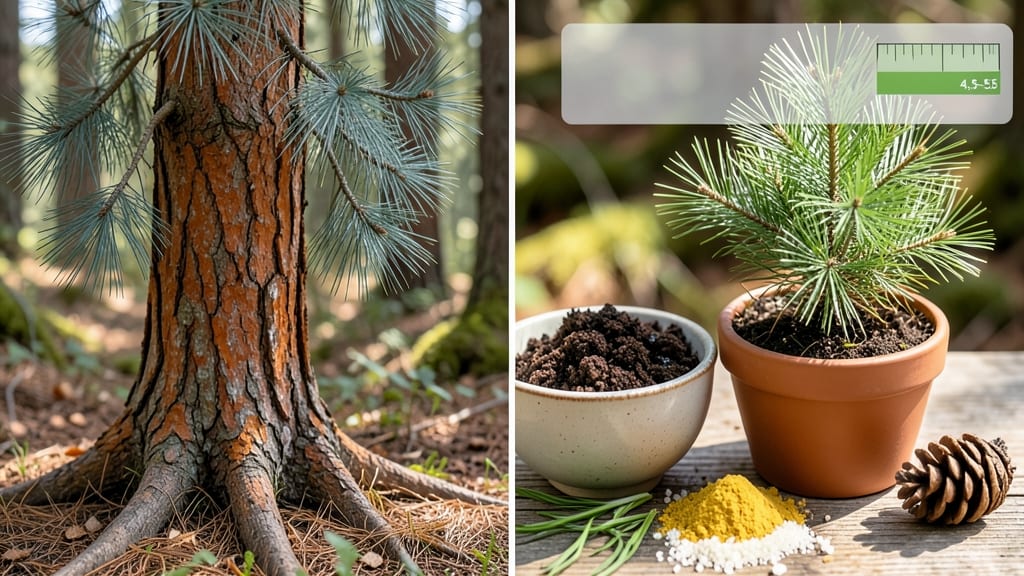
The ideal pine tree soil pH for fast growth and disease resistance is between 4.5 and 6.0—a range most gardeners never check, yet it’s the difference between a thriving 🌲 and one struggling to survive.
Picture this: you’ve planted a pine seedling with care, only to watch it yellow and wilt months later. The culprit? Soil that’s either too alkaline or too acidic, locking out vital nutrients like iron and manganese.
Without the right pH, even the hardiest pine species can’t access what they need to grow strong and resist pests.
Testing your soil is easier than you think—whether you use a simple DIY kit or send a sample to a lab.
Once you know your current pH, adjusting it with organic amendments like sulfur (to lower pH) or lime (to raise it) can transform your pine’s health in just a few months.
In this guide, I’ll walk you through the exact pH range for your pine species, how to test and tweak your soil, and the common mistakes that stifle growth—so you can finally grow a pine that stands tall and proud.
Optimal soil pH range for pine tree growth & disease resistance
Pine trees thrive in acidic soil, but not all acidic conditions are equal. Most pine species—like loblolly, shortleaf, and white pine—prefer a pH range of 4.5 to 6.0. This acidity spectrum isn’t just a preference; it’s essential for nutrient uptake and disease resistance.
When soil pH strays outside this range, pine trees struggle to absorb critical nutrients like iron, manganese, and phosphorus, leading to stunted growth or yellowing needles.
Commercial garden soils often fail pine trees because they’re formulated for neutral pH (6.0–7.5), which is ideal for vegetables and flowers. Pine roots, however, are adapted to acidic environments, mimicking their natural habitats in forests.
Without the right pH, even healthy seedlings can decline within months. Understanding this range is the first step to cultivating vigorous, disease-resistant pine trees.
Here’s how soil acidity directly impacts pine tree health:
At the lower end of the pH spectrum (4.5–5.0), pine trees absorb nutrients most efficiently, but soil becomes too acidic when pH drops below 4.0. This triggers aluminum toxicity, which damages root tips and reduces water uptake.
On the upper end, a pH above 6.0 locks out essential nutrients, causing chlorosis (yellowing needles) and weakening the tree’s natural defenses against pests like bark beetles.
Research from the USDA Forest Service shows that pine trees grown in soil with a pH of 5.5 exhibit 30% faster growth compared to those in neutral soil (pH 7.0). The key lies in the chelating agents in acidic soil, which bind nutrients like iron and manganese, making them bioavailable.
Without this chemistry, even nutrient-rich soil fails to support healthy pine growth.
Most gardeners overlook the role of organic matter in maintaining soil acidity. Peat moss, pine bark, and composted pine needles naturally lower pH while improving soil structure. These amendments release humic acids over time, which enhance nutrient availability and microbial activity—critical for pine root health.
Avoid synthetic fertilizers, which often raise pH and disrupt this delicate balance.
Testing your soil’s pH is simple but critical. Use a digital pH meter or home test kit to measure the current level. If your reading is above 6.0, add elemental sulfur or peat moss to lower pH gradually.
For soils below 4.5, incorporate lime (sparingly) or wood ash to raise pH. Always test again in 3–6 months to monitor changes—pH adjustments take time and precision.
Disease resistance in pine trees is directly tied to soil pH. For example, white pine trees in acidic soil (pH 4.5–5.5) resist needle blight far better than those in alkaline conditions. This resistance stems from the tree’s ability to produce phenolic compounds, natural fungicides that thrive in acidic environments.
By maintaining the optimal pH, you’re not just feeding your pine tree—you’re fortifying its immune system against pathogens.
One common mistake is assuming all pine trees have the same pH needs. While most species prefer 4.5–6.0, Scotch pine and Mugo pine tolerate slightly lower pH (4.0–5.0), while Ponderosa pine can handle up to 6.5.
Always match your pine species to the soil conditions—this specificity is what separates thriving trees from struggling ones.
For long-term success, focus on organic soil amendments like pine fines (finely ground pine bark) or leaf mold. These materials slowly acidify the soil while improving drainage, a must for pine roots. Pair this with a mulch layer of pine straw to maintain moisture and pH stability.
With the right pH, your pine tree won’t just grow—it will thrive and stand resilient against diseases and pests. 🌲
How to test and adjust soil pH for pine trees: step-by-step guide
Pine trees thrive when their soil pH stays between 4.5 and 6.0, but most garden soils fall outside this acidic range. Testing your soil is the first step to unlocking healthier growth and disease resistance.
I’ll walk you through accurate testing methods and safe adjustments—whether you’re using organic or chemical amendments—to keep your pine tree flourishing without harming beneficial microbes.
Before diving into adjustments, remember: pH changes take time. Rushing the process can disrupt soil biology, so patience is key. Start by testing your current soil pH to avoid guesswork.
You can use DIY test kits (affordable and quick) or send samples to a local extension office for precise results. Both methods will give you the exact acidity level your pine tree needs to thrive.
Step-by-Step Guide to Testing & Adjusting Soil pH
- 1 Collect Soil Samples: Use a clean trowel to gather 6-8 soil cores from 4-6 inches deep around your pine tree’s drip line. Mix them in a bucket to get an average reading.
- 2 Test pH Level: Use a digital pH meter or home test kit (like MySoil or Luster Leaf). Follow instructions to get a numeric pH reading. Aim for 4.5-6.0—anything above 6.5 or below 4.0 needs adjustment.
- 3 Lower pH (If >6.0): Sprinkle elemental sulfur or peat moss around the root zone. For quick fixes, use vinegar (1 cup per gallon of water), but avoid overuse—it can harm microbes. Re-test in 2-4 weeks.
- 4 Raise pH (If <4.5): Add pelletized lime (calcium carbonate) or wood ash (sparingly). For organic options, try crushed eggshells or composted manure. Apply in small amounts—too much can create alkaline shock.
- 5 Monitor & Retest: After 4-6 weeks, retest the soil. Adjustments are gradual—never apply more than 5 lbs of lime or 1 lb of sulfur per 100 sq ft in a single treatment. Repeat until pH stabilizes in the ideal range.
- 6 Maintain Balance: Mulch with pine needles or oak leaves to naturally acidify soil over time. Avoid synthetic fertilizers, which can raise pH. Test soil annually to catch drift from the ideal range early.
For organic gardeners, composted pine bark or sphagnum peat moss are excellent long-term solutions. They slowly acidify the soil while improving drainage and aeration, which pine trees desperately need. If you’re dealing with containers, mix 50% peat moss with 50% perlite to mimic acidic forest soil conditions.
One common mistake is overcorrecting pH in a single season. Pine trees are sensitive to sudden changes, so spread amendments over 2-3 applications. Always water thoroughly after adjusting pH to help amendments integrate into the soil.
Patience here pays off with faster growth and fewer pests—your pine tree will thank you!
🌲