
Pruning
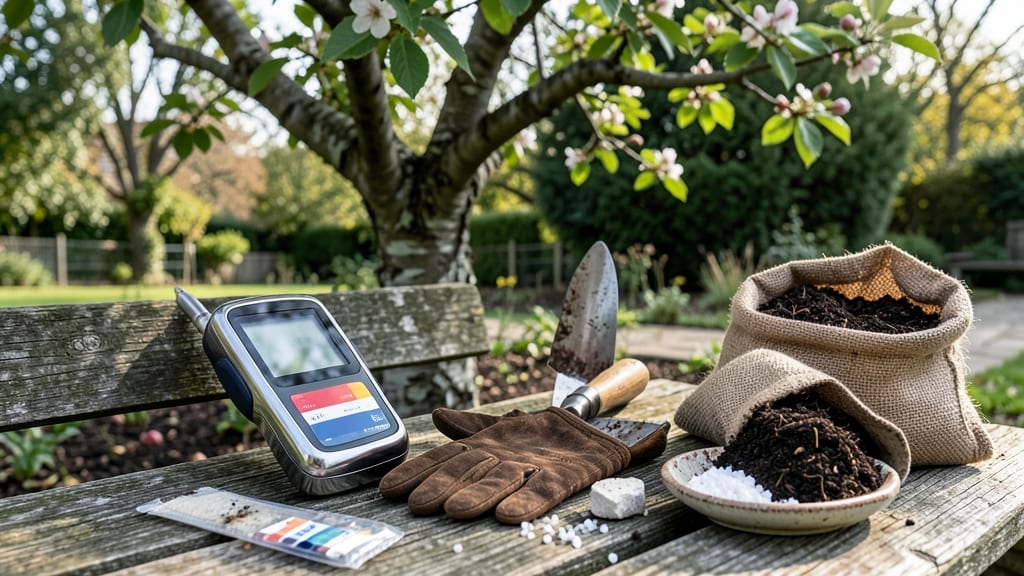
The cherry tree soil pH is the foundation of sweet fruit and strong growth — but most gardeners get it wrong without even knowing it.
Your 🌸 cherry tree might look healthy on the outside, but if the soil pH is off, you’ll end up with bitter fruit, stunted branches, or even no harvest at all.
The good news? Fixing it is simpler than you think, and once you dial in the right balance, your tree will reward you with juicy, flavorful cherries year after year.
Sweet cherries thrive in slightly acidic soil, while sour varieties are a bit more flexible—but even a small pH shift can mean the difference between a bumper crop and a disappointing one.
Below, I’ll break down the exact levels your tree needs, how to test your soil like a pro, and the easy steps to adjust it for maximum flavor and vigor.
Whether you’re planting a new tree or troubleshooting an existing one, this guide will help you avoid common pH mistakes that could be silently sabotaging your harvest.
Optimal soil pH for cherry trees: sweet vs. sour fruit variations
Did you know your cherry tree’s soil pH directly controls whether its fruit tastes sweet or sour? Most gardeners focus on watering and sunlight, but pH imbalance is the silent thief of flavor and growth.
Sweet cherries like Bing and Rainier thrive in slightly acidic soil, while tart Montmorency varieties prefer a different range. Let’s break down the exact pH targets for each type and how to achieve them.
The ideal pH range for cherry trees sits between 5.5 and 7.0, but the exact target depends on whether you’re growing sweet or sour varieties. Sweet cherries (Prunus avium) perform best at 6.0–6.5, while sour cherries (Prunus cerasus) prefer 5.5–6.2.
Even a 0.5 pH shift can reduce fruit quality by up to 30%—so precise testing is key. Regional soil naturally varies, but most U.S. gardeners need adjustments to hit these targets.
Here’s why pH matters so much: Nutrient availability changes dramatically with pH. At pH 6.0, your tree absorbs maximum phosphorus (critical for fruiting) and zinc (essential for sweetness). Drop below 5.5, and iron chlorosis (yellow leaves with green veins) becomes a risk.
Rise above 7.0, and manganese deficiency stunts growth. The right pH ensures your tree isn’t just surviving—it’s thriving with juicy, flavorful fruit.
Regional soil adjustments are often necessary. In the Pacific Northwest, naturally acidic soils (pH 5.0–5.5) may need lime applications for sweet cherries, while Midwestern gardens (pH 6.5–7.5) might require sulfur or peat moss to lower pH for sour varieties. Before amending, test your soil—don’t guess! A simple DIY pH test kit (costing $10–$20) gives you the data to make informed decisions.
Testing your soil pH is simpler than you think. Grab a digital pH meter or home test kit from your local garden center. For precise results, send a sample to a cooperative extension service—many offer tests for under $20.
Dig a 6-inch-deep hole near your tree’s drip line (the outer edge of its canopy), collect soil, and follow the kit’s instructions. If your pH reads below 5.5, add pelletized lime (1–2 lbs per 10 sq ft) in early spring.
For pH above 7.0, mix in elemental sulfur (1 lb per 10 sq ft) in fall.
Organic amendments work too! Composted manure or leaf mold gently lowers pH over time, while wood ash (sparingly) can raise it. Avoid sudden shifts—aim for no more than 0.5 pH points per year.
For example, if your soil is at 7.2 and you want 6.0, plan a 2-year adjustment using sulfur and peat moss. Patience pays off with healthier roots and better fruit set.
Watch for visual cues that your pH is off. Yellowing leaves between veins signal iron deficiency (common in alkaline soil), while purple stems indicate phosphorus stress (often in acidic soil).
If your cherries stay small or taste bland, your pH might be the culprit. Leaf analysis (available through extension services) can confirm nutrient imbalances tied to pH. For example, a Bing cherry tree with pH 7.5 might show zinc deficiency, even if you’ve fertilized regularly.
Pro tip: Mulch matters. A 3-inch layer of pine bark mulch slowly acidifies soil, while straw mulch maintains neutrality. Avoid fresh wood chips—they can tie up nitrogen as they decompose. Always keep mulch **6 inches away from the
How to test and adjust cherry tree soil pH: step-by-step guide
Testing and adjusting your cherry tree soil pH is the key to unlocking sweet fruit and lush growth. Most cherry varieties thrive in slightly acidic to neutral soil, but many gardeners accidentally create conditions that stunt their trees.
I’ll walk you through DIY testing methods and organic soil amendments to get your pH perfect—without guesswork.
Before diving in, grab your soil test kit (or lab analysis) and a notepad. The goal is a pH range of 6.0 to 6.5 for sweet cherries and 5.5 to 6.0 for sour varieties.
If your soil is off, we’ll fix it with lime for high pH or sulfur for low pH, plus a few organic helpers to keep your tree happy long-term.
Step-by-Step Guide to Testing & Adjusting Soil pH
-
Step 1: Collect Soil Samples
Take 5-6 soil samples from 6 inches deep around your tree’s drip line. Mix them in a clean bucket for an average reading. -
Step 2: Test Your Soil
Use a DIY soil test kit (like LaMotte or MySoil) or send samples to a local extension office for lab analysis. Lab tests cost ~$20 but give precise results. -
Step 3: Adjust pH Based on Results
pH < 5.5? Add pelletized lime (1 lb per 100 sq ft). pH > 6.5? Spread elemental sulfur (2 lbs per 100 sq ft). Work amendments into the top 6 inches of soil. -
Step 4: Boost Organic Matter
Mix in compost or peat moss (1-2 inches) to improve soil structure and buffer pH swings. This also adds micronutrients cherries crave. -
Step 5: Water & Wait
Water the amended soil deeply to activate changes. Retest in 2-3 months—adjust again if needed. Avoid overcorrecting, as drastic pH shifts can shock roots. -
Step 6: Monitor Seasonally
Test soil every spring and after heavy rains. Cherry trees prefer stable pH, so small tweaks keep them thriving year-round.
Timing matters! The best time to adjust cherry tree soil pH is early spring (before bud break) or fall (6-8 weeks before frost). Avoid amending in summer heat, as it can stress roots.
For organic gardeners, wood ash (sparingly) can raise pH slightly, but it’s not as precise as lime.
Pro tip: If your soil is heavily compacted, aerate first with a broadfork or garden fork. Compacted soil traps moisture and alters pH faster. Pair this with a 2-inch mulch layer of pine straw or shredded bark to maintain ideal conditions.
Remember, cherry trees are sensitive to sudden pH changes. Always adjust in small increments—think of it like tuning a guitar. A gradual shift of 0.5 pH points per year keeps your tree healthy and your fruit sweet. Happy testing!