
Pruning
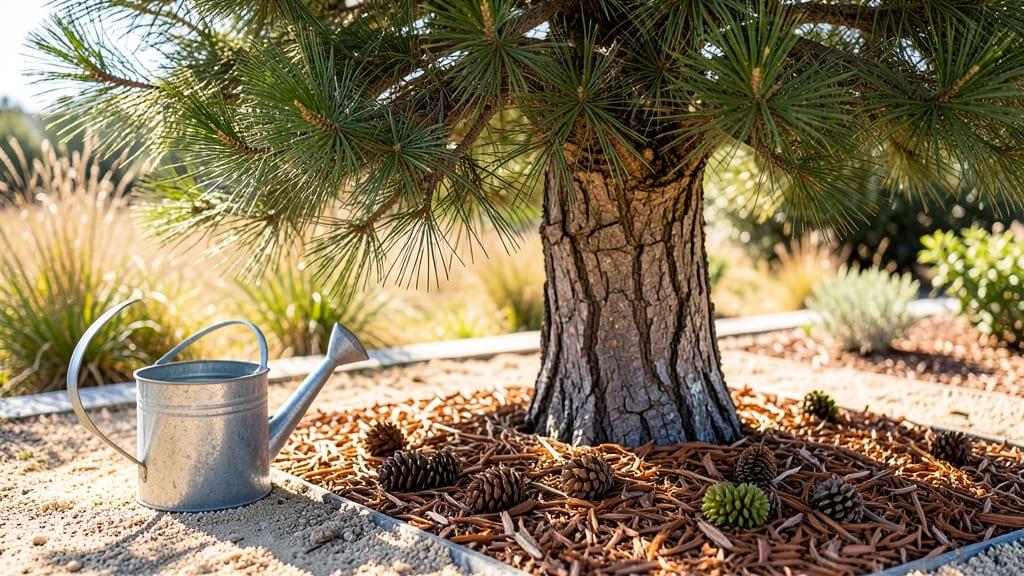
Stone pine tree care starts with patience—these Mediterranean giants reward minimal fuss with stunning foliage and edible pine nuts. 🌲 I’ve watched mine thrive for years with just a few key adjustments, proving you don’t need constant pruning to keep them healthy.
The secret lies in understanding their slow growth and drought tolerance, which means most "maintenance" is just stepping back and letting nature do its work.
These trees crave well-draining soil and full sun, but they’ll tolerate poor soil better than soggy roots. Water deeply once a week in summer, then let the soil dry completely between waterings—overwatering is their biggest enemy.
A light layer of mulch helps retain moisture while keeping roots cool, and that’s about all the pampering they need.
When it comes to pruning, less is more—remove only dead or crossing branches in late winter. Stone pines produce pine cones after 10-15 years, and those cones are packed with flavorful nuts if you’re patient enough to wait.
The real magic happens when you stop fighting the tree’s natural shape and work with it instead.
Common challenges like spider mites or needle blight can pop up, but a simple spray of neem oil usually clears them up. If you’re in a hot, dry climate, these trees become even more resilient—just avoid heavy-handed pruning, and you’ll have a low-maintenance centerpiece for decades.
📚 In This Guide
- What you need
- Instructions
- Tips and common mistakes
- Wrapping up and next steps
What you need
- ● Pruning shears – Bypass pruners (sharp, 6-8 inch blades) for small branches.
- ● Loppers – Long-handled (20-24 inches) for thicker branches (up to 2 inches in diameter).
- ● Pruning saw – Curved-tooth saw for branches over 2 inches thick (avoid damaging the bark).
- ● Disinfectant – 70% isopropyl alcohol or diluted bleach solution (1 part bleach to 9 parts water) to sterilize tools between cuts.
- ○ Pruning sealant – Optional but helpful for larger cuts (look for tree wound paint with natural ingredients like linseed oil).
- ● Gloves – Heavy-duty, cut-resistant to protect hands from sap and sharp branches.
- ● Safety gear – Safety glasses and long sleeves/pants (stone pine sap can irritate skin).
- ● Ladder or step stool – Sturdy, extendable ladder (if pruning high branches; never stand on shaky surfaces).
- ● Trash bags or bucket – For collecting pruned branches (check local regulations for disposal).
- ○ Tree growth regulator – Optional spray to slow excessive growth (e.g., dormant oil or copper-based fungicide for pest prevention).
- ● Mulch – Organic mulch (pine bark or wood chips) to retain moisture and regulate soil temperature.
- ● Soil moisture meter – Handheld probe to monitor drought stress (stone pines prefer well-draining soil).
- ● Pinecone collector – Mesh bag or basket if you’re harvesting edible pine nuts!
Step-by-step guide to stone pine tree care
Here's how I keep my stone pines healthy with almost no fuss—just a few key habits.
🌿 Step 1: Choose the Right Planting Location
Stone pines thrive in full sun with at least 6-8 hours of direct light daily. I always plant mine where they’ll get morning sun and afternoon shade if summers run hot—this prevents sunburn on the needles. The soil should drain well, so avoid low spots where water pools after rain.
Dig a hole twice as wide as the root ball but no deeper. Loosen the sides of the hole to encourage root spread. If your soil is heavy clay, mix in 2-3 inches of compost into the bottom of the hole—this improves drainage while still holding moisture. Gently remove the tree from its container and place it in the hole so the top of the root ball sits 1 inch above ground level. This prevents water from pooling around the trunk.
☀️ Step 2: Water Deeply but Infrequently
Stone pines are drought-tolerant once established, but young trees need deep watering once a week during the first year. Water slowly until the soil 6 inches deep feels moist—stick your finger in to check. Overwatering is the biggest mistake I see; soggy roots lead to root rot, which kills these trees quickly.
After the first year, cut back to watering every 2-3 weeks unless your area experiences extreme drought. You’ll know it’s time to water when the top 2 inches of soil feel dry. Mature stone pines can survive on rainfall alone in most climates. Always water at the base of the tree, never on the needles, to prevent fungal diseases.
✂️ Step 3: Prune Only When Necessary
Stone pines don’t need much pruning—just remove dead, damaged, or crossing branches. I use sterilized pruning shears to cut just outside the branch collar (the swollen area where the branch meets the trunk). This ensures clean wounds that heal properly. Prune in late winter or early spring before new growth begins.
Never prune more than 25% of the tree’s foliage at once—this stresses the tree and can invite pests. If you notice branches rubbing together, trim them back to prevent damage. Avoid "thinning out" the tree by removing inner branches unless they’re dead; stone pines grow in a natural, open shape that doesn’t need heavy pruning.
🪴 Step 4: Protect from Pests and Diseases
Stone pines are relatively pest-resistant, but watch for aphids or spider mites on new growth. I spray affected areas with neem oil (mixed per label instructions) if I spot tiny webs or sticky residue on the needles. For fungal issues like needle blight, improve airflow around the tree by pruning dense branches and avoid overhead watering.
Young trees benefit from a 2-inch layer of mulch (like pine straw or wood chips) around the base, but keep it 6 inches away from the trunk to prevent rot. Reapply mulch annually in early spring. Mature stone pines rarely need fertilizer, but if growth slows, a slow-release, balanced fertilizer in early spring can help—just follow package rates.
⏰ Step 5: Monitor Seasonal Needs
In winter, stone pines need no extra care unless your area gets heavy snow. Shake snow off branches gently to prevent breakage—never use metal tools that can scratch the bark. If you’re in a hot, dry climate, water mature trees once a month during winter droughts to keep them hydrated.
In summer, watch for signs of stress like yellowing needles or wilting. If this happens, increase watering slightly but never let the soil stay soggy. Stone pines are tough, but they’ll tell you when something’s off—usually through their needles. A healthy tree has vibrant green needles and no brown tips unless it’s natural seasonal shedding.
Tips & tricks for perfect stone pine tree care
These simple habits will help your stone pine thrive with minimal effort—no green thumb required.
Lighting Strategy: The 6-8 hours of full sun is non-negotiable, but I've found the best spot gets morning sun and afternoon shade during peak summer months. This prevents the needles from getting sunburnt while still giving them enough light to photosynthesize properly. If your yard only gets harsh afternoon sun, consider planting near a north-facing wall or fence for natural shade.
Planting Depth: That 1-inch elevation above ground level is crucial—it prevents water from pooling around the trunk, which can lead to rot. I always double-check this by placing the tree in the hole and making sure the root flare (where roots meet the trunk) is visible above the soil line. This small detail makes a huge difference in long-term health.
Watering Wisdom: The deep watering routine is where most people go wrong. Instead of giving the tree a quick drink, I use a slow watering method that lets moisture penetrate 6 inches deep. Think of it like giving your tree a long, refreshing shower rather than a quick sprinkle. This encourages deep root growth, which is essential for drought tolerance.
Pruning Precision: When pruning in late winter or early spring, I always look for three things: dead branches, crossing branches, and any that are rubbing together. Cutting just outside the branch collar ensures the wound heals properly, and removing no more than 25% of the foliage prevents stress. I've seen trees recover from pruning mistakes, but they never look as healthy as when done right.
Pro Tips for Stone Pine Tree Care
- These simple habits will help your stone pine thrive with minimal effort—no green thumb required.
- Lighting Strategy: The 6-8 hours of full sun is non-negotiable, but I've found the best spot gets morning sun and aft...
- Planting Depth: That 1-inch elevation above ground level is crucial—it prevents water from pooling around the trunk, ...
Frequently asked questions
Got questions about keeping your stone pine tree happy and healthy? You’re not alone! Here are some of the most common concerns—plus quick, practical answers to keep your tree thriving with minimal fuss.
How often should I prune a stone pine tree?
Stone pines are low-maintenance, so prune only when necessary—typically once every 2–3 years to remove dead, diseased, or crossing branches. Light shaping (if desired) can be done in late winter or early spring before new growth starts. Avoid heavy pruning, as these trees respond slowly to cuts.
Can stone pines handle cold winters?
Native to Mediterranean climates, stone pines are drought- and cold-tolerant (down to 10°F/-12°C). However, young trees may need winter watering in dry regions to prevent stress. Mulch lightly around the base (but avoid piling near the trunk) to insulate roots.
Why are my stone pine needles turning brown?
Brown needles usually signal overwatering, underwatering, or pest issues. Check soil moisture—stone pines prefer well-draining soil and hate soggy roots. If pests (like scale or spider mites) are to blame, treat with neem oil or insecticidal soap. Prune affected branches to improve airflow.
How do I encourage pine cones on my stone pine?
Stone pines produce cones naturally, but healthy trees need full sun (6+ hours/day) and minimal stress. Avoid heavy pruning or over-fertilizing, which can divert energy from cone production. Male and female cones appear on separate trees—if yours isn’t producing, check for a nearby pollinator!
Are stone pines good for urban landscapes?
Yes! Their slow growth, drought resistance, and salt tolerance make them ideal for cities. Just plant them at least 20–30 feet from structures (they can grow 40+ feet tall). Their evergreen foliage adds year-round greenery with minimal upkeep—perfect for busy homeowners!
Wrapping up and next steps
Caring for your stone pine tree doesn’t have to be complicated—just consistent! With the right balance of watering, soil health, and minimal pruning, your tree will thrive year-round while keeping its stunning, low-maintenance charm. 🌲✨
Now that you’re armed with expert tips, take the next step: grab your tools and give your stone pine the love it deserves. Whether it’s a quick trim or a seasonal check-in, your effort will pay off in lush, resilient growth for years to come!