
Pruning
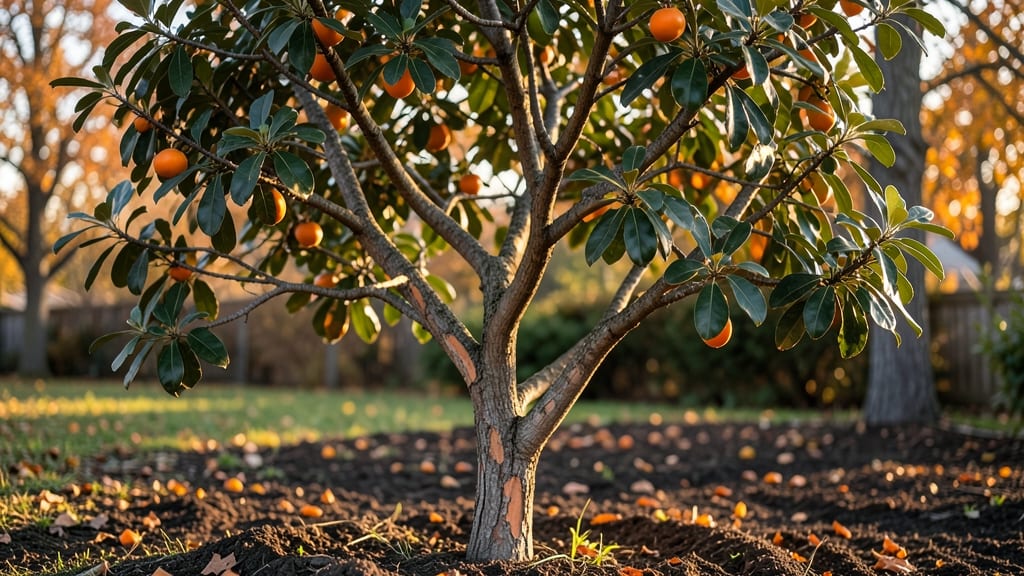
Persimmon trees grow exceptionally well in North Carolina's climate, particularly with cold-resistant varieties like 'Meader' and 'Fuyu' that flourish in USDA Zones 5-8. For best results, plant them in well-draining soil with full sunlight exposure, maintaining a spacing of 20-30 feet between saplings to promote healthy fruit production and minimize disease risks.
North Carolina's diverse climate—from the mountains to the coast—makes it perfect for persimmon cultivation, especially when choosing the right varieties. 🌳 The 'Meader' variety stands out for its non-astringent fruit, ideal for fresh eating, while 'Fuyu' offers a sweeter harvest that ripens before frost.
These trees not only adapt well to NC's temperature swings but also reward growers with abundant fruit when planted in the right conditions.
Beyond variety selection, proper planting techniques are key. North Carolina's soil can vary dramatically by region, so testing for pH levels between 6.0 and 7.0 ensures optimal nutrient uptake.
I always recommend planting in early spring when the soil is workable but before the heat sets in—this gives young trees a strong start before summer's challenges.
The 20-30 foot spacing isn't just about fruit size; it's also about airflow, which dramatically reduces fungal diseases that plague persimmon orchards in humid summers.
💡 In This Article
- Cold-Hardy Persimmon Varieties for North Carolina Growers
- Step-by-Step Guide to Planting Persimmons in NC Soil
Cold-hardy persimmon varieties for North Carolina growers
North Carolina's climate—with its cold winters in the mountains and humid summers along the coast—demands persimmon varieties that can handle temperature fluctuations. The key to cold hardiness lies in each variety's ability to withstand dormancy temperatures down to -10°F to -20°F, which aligns with USDA Zones 5-8.
'Meader' and 'Fuyu' varieties excel here because their genetic makeup includes traits like thicker bark and deeper root systems that insulate against freezing. For example, 'Meader' persimmons can endure -15°F without significant damage, making them ideal for western NC's higher elevations.
The difference between 'Meader' (non-astringent) and 'Hachiya' (astringent) varieties comes down to their tannin content and ripening process. 'Meader' persimmons ripen before frost and can be eaten firm, eliminating the need to wait for full softness like 'Hachiya' requires. This makes them perfect for NC's shorter growing seasons.
Meanwhile, 'Fuyu' persimmons offer a sweeter, crunchier option that ripens in late fall—just as NC's first frosts arrive—while still maintaining their firm texture. The science behind this is fascinating: these varieties produce less astringent compounds because their cell walls break down differently during ripening.
When choosing varieties, consider your specific microclimate. In the Piedmont region (Zone 7), 'Meader' thrives with minimal winter protection, while coastal areas (Zone 8) benefit from 'Fuyu's' ability to handle occasional light frosts.
The spacing of 20-30 feet between trees isn't just about fruit size—it's about creating an open canopy that allows sunlight to reach all branches, which is crucial for persimmons to develop their signature sweetness.
This airflow also prevents the fungal diseases that plague NC's humid summers, particularly in the eastern part of the state.
What most gardeners don't realize is how persimmon trees' cold tolerance improves with age. Young trees need protection during their first few winters, but mature specimens develop stronger vascular systems that can transport nutrients more efficiently in cold conditions.
This is why established orchards in western NC's higher elevations often outproduce younger plantings in warmer coastal areas. The root systems of mature trees can extend 6-8 feet deep, accessing moisture and nutrients that help them withstand both drought and freeze.
For those considering 'Hachiya' varieties, know that their astringent nature requires careful timing—these persimmons must be fully soft before eating, which can be challenging in NC's variable fall weather. The tannins in unripe 'Hachiya' fruit create that dry, puckering sensation that most people find unpleasant.
However, once fully ripe, they offer an incredibly rich, custard-like texture that's worth the wait. This variety does best in Zone 7-8 areas where winters are milder and summers provide enough heat for proper ripening.
Consider these key factors when selecting your persimmon variety:
- Climate zone: 'Meader' for Zones 5-6, 'Fuyu' for Zones 7-8
- Ripening time: 'Meader' ripens earliest, 'Hachiya' requires longest
- Texture preference: 'Fuyu' for crunchy, 'Hachiya' for soft
- Winter protection: Young trees need mulch in Zone 5 areas
Remember that persimmon trees can live for decades, so choosing the right variety for your NC location sets the foundation for years of harvests.
The investment in proper variety selection pays off in both yield and fruit quality—especially when you consider how these trees adapt to NC's unique seasonal patterns. 🌿