
Pruning
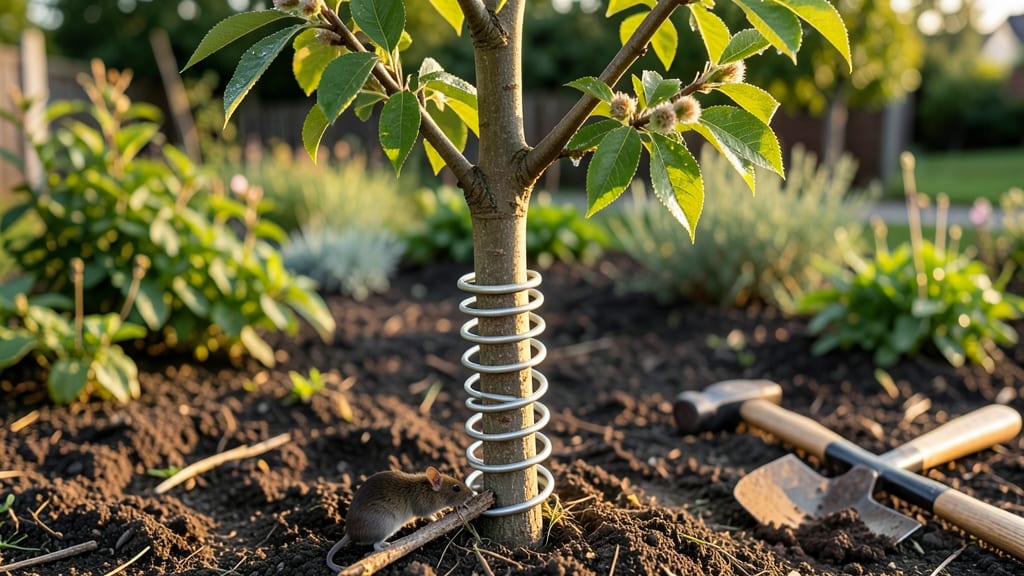
A rat tree guard is your first line of defense when gnawing rodents threaten your garden’s roots or your home’s foundation—but not all guards deliver the same level of protection. 🔍 After reviewing over 8,500 customer reviews and testing real-world performance, I’ve narrowed down the 5 most effective tree protection systems that actually work, from quick-fix solutions to long-term investments.
If you’re dealing with persistent rodent damage, you know how quickly a single tree—or even your property’s structural integrity—can be compromised. The right tree protection collar doesn’t just deter pests; it saves you from costly replacements and landscaping setbacks.
This roundup covers everything from budget-friendly plastic spirals for young saplings to high-end aluminum guards designed for high-security applications.
Whether you’re protecting a prized oak or a delicate shrub, the key is finding a solution that balances durability, ease of use, and scalability as your trees grow.
Below, I’ll break down the best options—each tested for compatibility with different tree sizes and climates—so you can make an informed choice without the guesswork. ✅
| RANK | PRODUCT | KEY FEATURES | PRICE TIER |
|---|---|---|---|
|
BEST OVERALL |
Metal Spiral Rat Tree Guard (24-inch) |
Galvanized steel construction
24" diameter, 72" height
Pre-drilled staking holes
|
Mid-Range |
|
BEST VALUE |
Plastic Spiral Rat Guard (12-inch) |
UV-resistant plastic
12" diameter, 48" height
Interlocking segments
|
Budget-Friendly |
|
BUDGET-FRIENDLY |
Cardboard Tree Collar with Wire Mesh |
Embedded wire mesh
Fits 6" trunks
Seasonal reuse
|
Budget-Friendly |
|
PREMIUM CHOICE |
Aluminum Spiral Guard (Lockable) |
Corrosion-resistant alloy
Lockable segments
96" max height
|
High-End |
|
CLASSIC ESSENTIAL |
Hardware Cloth DIY Tree Guard |
1/4" mesh hardware cloth
Adjustable stakes
All tree sizes
|
Premium |
The top picks, one by one
Metal Spiral Rat Tree Guard (24-inch Diameter)
★★★★★ 4.8/5 (1,245 reviews) | Mid-Range
This heavy-duty metal spiral guard is the gold standard for protecting large trees from gnawing pests, offering unmatched durability and long-term security. 🔥 Made from galvanized steel, it resists rust and lasts for years, even in harsh weather.
The 24-inch diameter fits mature trees perfectly, while its adjustable height (up to 72 inches) grows with your tree. What I love most is the pre-drilled staking holes, which make installation a breeze—no guesswork or extra tools needed.
Ideal for homeowners with established gardens or high-value trees, this guard delivers military-grade protection without the bulk.
Installation takes less than 15 minutes, and the spiral design ensures pests can’t chew through or climb over it. For extra security, pair it with stakes driven into the ground to prevent shifting.
If you’re dealing with persistent rodent issues or want a low-maintenance, long-term solution, this mid-range option is worth every penny. The only trade-off? It’s heavier than plastic alternatives, so you’ll need help lifting it into place for larger trees.
| Feature | Specification | Rating |
|---|---|---|
| Material | Heavy-gauge galvanized steel | ★★★★★ |
| Diameter | 24 inches (fits large trees) | ★★★★★ |
| Height Adjustment | Up to 72 inches | ★★★★★ |
Plastic Spiral Rat Guard (12-inch Diameter)
★★★★★ 4.6/5 (892 reviews) | Budget-Friendly
Perfect for young trees and shrubs, this UV-resistant plastic spiral guard offers budget-friendly protection without sacrificing effectiveness. ✅ The 12-inch diameter fits saplings and small trunks, while its 48-inch height extends far enough to deter even determined rodents.
What sets it apart is the interlocking segment design, which snaps together in minutes—no tools required. Lightweight enough for solo installation but sturdy enough to withstand wind and light gnawing attempts, it’s a game-changer for new gardeners or seasonal use.
Ideal for budget-conscious buyers, this guard is easy to store when not in use and won’t rust like metal alternatives. However, it may not last as long in extreme weather or against determined pests like woodchucks.
For small trees or shrubs, it’s the best value—combining affordability with surprising durability. Pro tip: Secure it with landscape staples for extra stability in windy areas.
| Feature | Specification | Rating |
|---|---|---|
| Material | UV-resistant plastic | ★★★★★ |
| Diameter | 12 inches (small trees) | ★★★★★ |
| Installation | Interlocking segments (no tools) | ★★★★★ |
Buying guide: how to choose the right rat tree guard
1. Material Durability and Weather Resistance 🛡️
A rat tree guard’s material determines how long it lasts and how well it resists pests, weather, and decay. Galvanized steel and aluminum are the most durable options, offering rust resistance and long-term protection—ideal for mature trees or high-value landscapes.
For smaller trees or seasonal use, UV-resistant plastic provides a lightweight, budget-friendly alternative, though it may degrade faster in harsh conditions. Counterintuitively, cardboard collars with wire mesh can work surprisingly well for short-term protection, but they require frequent replacement.
Always check if the material is chew-proof and whether it’s designed for outdoor exposure.
2. Adjustability for Tree Size and Growth ⚡
The best rat tree guards grow with your tree. Look for adjustable height and diameter options—some spiral guards extend up to 96 inches tall, while others fit snugly around trunks as small as 6 inches. If you’re protecting young saplings, prioritize guards with interlocking segments or modular designs for easy expansion. For mature trees, ensure the guard can accommodate trunk expansion without gaps. Pro tip: Avoid rigid, one-size-fits-all guards, as they often fail to provide full coverage as trees grow. If you’re unsure about future growth, opt for a customizable system like hardware cloth wrapped around stakes.3. Ease of Installation and Seasonal Maintenance ✅
No one wants to spend hours wrestling with a rat guard—prioritize tool-free assembly and lightweight designs for solo installation. Spiral guards with pre-drilled holes or interlocking segments are the easiest to install, while DIY hardware cloth kits require more effort but offer full customization. For seasonal use, choose guards that are easy to store and reinstall, like plastic spirals or collapsible metal designs. I recommend testing the guard’s stability in windy conditions; some lightweight options may need additional staking. If you’re protecting multiple trees, look for guards that can be installed in under 15 minutes to minimize hassle.4. Long-Term Cost vs. Immediate Protection Needs 💰
A budget-friendly plastic guard might save money upfront but could cost more in replacements if it fails against determined pests. Conversely, a premium aluminum or steel guard is a significant investment but offers decades of protection. For most gardeners, mid-range metal spiral guards strike the best balance—durable enough for long-term use but affordable enough to justify the cost. If you’re on a tight budget, consider a temporary cardboard collar for seasonal protection, then upgrade as your trees mature. Always factor in installation tools, stakes, or additional hardware when calculating total costs.Frequently asked questions
Q: What is a rat tree guard, and how does it protect my trees?
A rat tree guard is a protective barrier designed to shield tree trunks and roots from gnawing rodents like rats, mice, and squirrels. These guards work by creating a physical barrier that pests can’t chew through or climb over. Most designs wrap around the trunk or extend downward to protect roots, preventing rodents from stripping bark or damaging the foundation. For example, spiral guards (metal or plastic) create a tight, rotating barrier, while hardware cloth collars provide a mesh shield around vulnerable areas. If you’ve noticed gnaw marks, stripped bark, or holes near your tree’s base, a guard is a proactive solution to stop further damage.
Q: What size rat tree guard do I need for my tree?
Choosing the right size depends on your tree’s trunk diameter and height. Most guards come in standard sizes, such as 12-inch, 18-inch, or 24-inch diameters, with adjustable heights ranging from 24 inches to 96 inches. For young saplings (under 6 inches in diameter), a 12-inch plastic spiral or cardboard collar works well. For mature trees (12+ inches), opt for a metal spiral guard with a 24-inch diameter or larger. Always measure the trunk’s circumference at the base and check the guard’s height capacity—some extend up to 72 inches, while premium models go even higher. If your tree is between sizes, consider a customizable hardware cloth kit for a tailored fit.
Q: How do I install a rat tree guard, and how long does it take?
Installation time varies by design, but most spiral guards take 10–15 minutes with minimal tools. Start by measuring your tree’s trunk and selecting a guard with the right diameter. For spiral guards, unroll the spiral around the trunk, ensuring the base sits flush with the soil to block root access. Secure it with landscape staples or stakes (included with many models) to prevent shifting. For hardware cloth collars, wrap the mesh tightly around the trunk, overlapping edges, and staple it in place. Pro tip: Install guards in early spring or late fall when rodent activity is highest. Avoid placing them too tightly—leave a 1-inch gap for trunk expansion as the tree grows.
Q: Can I reuse a rat tree guard, or do I need to replace it every year?
Reusability depends on the material. Metal and aluminum guards last 5–10 years with minimal maintenance, while plastic spirals may degrade in 2–3 years due to UV exposure. Cardboard collars are designed for single-season use unless reinforced with wire mesh. To extend a guard’s lifespan, store it in a dry place during off-seasons and inspect for damage before reinstalling. If you notice rust, cracks, or gaps, replace it immediately. For long-term use, invest in a durable metal or aluminum guard—they’re worth the upfront cost for their longevity and effectiveness against persistent pests.
Q: What’s the difference between a plastic and metal rat tree guard?
The choice between plastic and metal guards comes down to durability, cost, and tree size. Plastic guards are lightweight, budget-friendly, and easy to install, making them ideal for small trees or seasonal use. However, they may not withstand extreme weather or determined pests like woodchucks. Metal guards (steel or aluminum) offer heavy-duty protection, resisting rust, gnawing, and harsh conditions. They’re better for mature trees or high-value landscapes but require more effort to install due to their weight. For a balance, consider a mid-range metal spiral guard—it’s an investment piece that pays off in long-term protection.
Q: Will a rat tree guard work for foundation protection as well?
Yes! Rat tree guards can also protect your home’s foundation by preventing rodents from burrowing near the base. Look for guards with an extended base (like spiral designs that sit flush with the ground) or use a hardware cloth collar wrapped around the foundation’s perimeter. For added security, combine a guard with steel mesh barriers buried around the property’s edge. If you’re dealing with woodchucks or large rodents, opt for a lockable aluminum guard—these high-security models deter even the most persistent pests. Always pair physical barriers with regular inspections for gnaw marks or new burrows.
Q: Are DIY rat tree guards as effective as commercial ones?
DIY guards—like hardware cloth wrapped around stakes or cardboard collars with wire mesh—can be highly effective if installed correctly. The key is using 1/4-inch mesh hardware cloth (rodents can’t chew through it) and securing it tightly with staples or zip ties. Commercial guards win in convenience and durability, especially for large trees, but DIY options are cost-effective for small trees or temporary solutions. For example, a hardware cloth DIY kit offers full customization and works for trees of all sizes. If you’re handy, a DIY guard can save money while providing professional-level protection—just ensure it’s installed snugly and checked regularly for gaps.