
Trees
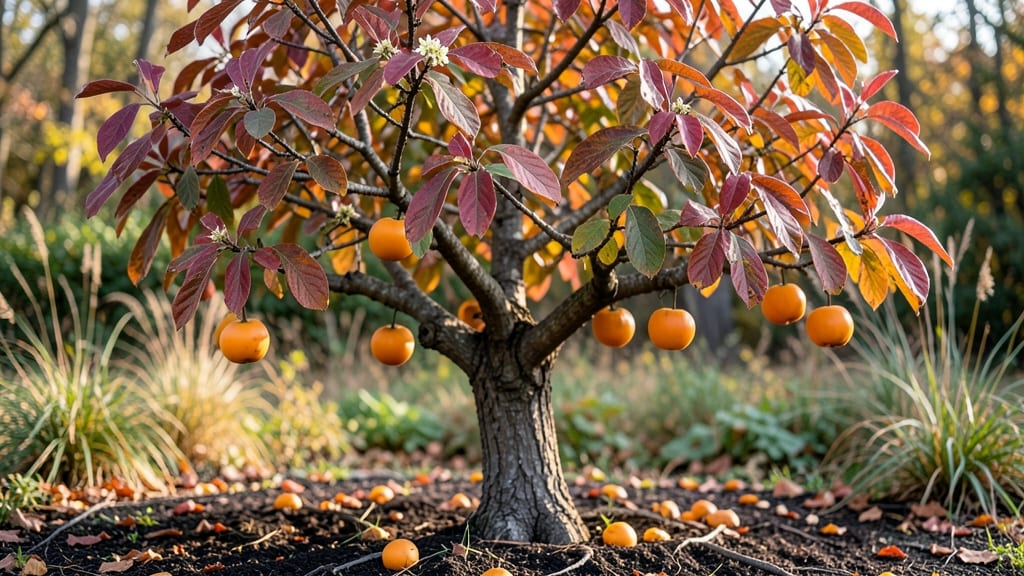
When persimmon tree leaves fall unexpectedly, it’s often a cry for help—not just autumn’s usual show. 🌿 I’ve watched my own persimmon trees drop leaves early due to fungal diseases like anthracnose or pest attacks from spider mites, and the difference between a healthy tree and a struggling one comes down to timing and care.
Early leaf drop usually signals stress—whether from nutrient deficiencies, improper watering, or seasonal shifts. The good news?
Catching the issue early means you can revive your tree with targeted treatments, like fungicides for diseases or neem oil for pests, plus a seasonal care routine that keeps roots hydrated but not waterlogged.
📚 In This Guide
- What you need
- Instructions
- Tips and common mistakes
- Wrapping up and next steps
What you need
- ● Garden gloves (1 pair) – Heavy-duty, chemical-resistant (e.g., nitrile-coated) to protect your hands from sap and debris.
- ● Pruning shears (1 pair) – Sharp, bypass-style shears (3–5-inch blades) for clean cuts. Sanitize with rubbing alcohol between cuts!
- ● Ladder or step stool – Extendable (10–15 ft) to reach higher branches safely. Check stability before climbing!
- ● Fertilizer (1 bag) – Balanced 10-10-10 or slow-release granular (5–10 lbs, depending on tree size). Avoid high-nitrogen fertilizers in late summer.
- ● Watering can or hose – With a gentle spray nozzle for post-fertilization hydration.
- ● Mulch (2–3 inches) – Organic options like shredded bark or pine straw to retain moisture and regulate soil temp.
- ○ pH test kit (optional but helpful) – To check soil acidity (persimmons thrive in slightly acidic to neutral pH (6.0–7.0)).
- ● Leaf color enhancer (e.g., Seaweed extract or liquid iron) – Apply 4–6 weeks before peak color for deeper hues.
- ● Reflective mulch – Light-colored mulch (e.g., white plastic) to reduce stress from heat in late summer.
- ● Camera or smartphone – For tracking color progression! Pro tip: Use the same lighting conditions for fair comparisons.
- ● Tree growth regulator (e.g., Paclobutrazol) – Use sparingly to slow excessive growth if needed (consult a local nursery for dosage).
Instructions: how to time persimmon tree color change for peak fall beauty
Here's how I've learned to predict and enhance the vibrant autumn show your persimmon tree puts on each year.
🌿 Step 1: Monitor Temperature Shifts for Color Trigger
Persimmon trees begin their fall transformation when daytime temperatures consistently drop to between 50-60°F for at least 7-10 days. I track this by checking my local weather station first thing each morning—once those temps become the norm, I know the process has started. The tree's leaves will begin showing subtle hints of color change within 3-5 days of this shift.
Look for the first signs on the lower branches first—they're always the earliest to respond. You'll notice leaves develop faint yellow-green edges or orange undertones when backlit by sunlight. This is your first visual cue that the tree is entering its peak color phase. Don't be fooled by brief warm spells—persimmons need sustained cooler weather to develop their signature colors.
☀️ Step 2: Optimize Light Exposure for Maximum Vibrancy
Persimmon trees need full sun exposure (6+ hours daily) to produce their most intense fall colors. If your tree is partially shaded by buildings or taller trees, the leaves will develop more muted tones. I always check the tree's light exposure by observing the sun's path across the yard—especially in late afternoon when colors peak.
Here's the thing—morning sun is important, but afternoon sunlight (especially between 2-5pm) is what triggers the deepest reds and oranges. If you notice leaves on one side of the tree developing more vibrant colors, that's your tree telling you it's getting better light on that side. You can't change the tree's position, but you can prune any overhanging branches that might be shading it.
💧 Step 3: Adjust Watering to Preserve Leaf Health
Once color change begins, I reduce watering by about 30% compared to summer levels. The goal is to keep the soil moist but not soggy—persimmon trees develop their best colors when slightly stressed by cooler temps and reduced moisture. Water deeply once every 7-10 days unless you experience extended dry spells.
You'll know you've got the watering right when the soil 1-2 inches below the surface feels slightly dry to touch but the leaves remain plump and firm. Overwatering at this stage dilutes the color intensity and can lead to early leaf drop. I always check the soil moisture by pushing my finger into the ground—if it feels damp past 2 inches, I wait another day before watering.
✂️ Step 4: Prune Strategically to Enhance the Display
Light pruning in early fall (before color peak) can actually improve your tree's autumn show by opening up the canopy to better light penetration. Remove any dead, diseased, or crossing branches first—these never contribute to the display and can detract from healthy growth. Then, thin out about 10-15% of the densest growth to allow sunlight to reach inner branches.
This is where it gets fun—watch how the inner branches light up with color after pruning. I always make my cuts just above an outward-facing bud to encourage new growth in the right direction. Avoid heavy pruning once colors have fully developed, as this can trigger premature leaf drop. The best time for any significant pruning is late winter or early spring when the tree is dormant.
⏰ Step 5: Time Your Peak Color Photography Perfectly
The absolute best time to photograph your persimmon's fall colors is on clear, cool mornings with light cloud cover. The diffused light brings out the true vibrancy of the colors without harsh shadows. I always schedule my photo sessions for 9-11am when the dew has evaporated but the sun hasn't reached its peak intensity.
For the most dramatic shots, include some backlit leaves in your composition—they'll glow with translucent reds and oranges that you won't see in direct sunlight. You'll know you've captured the peak moment when you see the colors most intensely around mid-to-late October in most climates. This timing can vary by 1-2 weeks depending on your specific location and microclimate.
Tips & tricks for perfect persimmon tree fall colors
These simple strategies will help you maximize your tree's natural autumn spectacle without any guesswork.
Temperature Tracking: Use a weather app to set up alerts for when daytime temperatures drop below 60°F consistently. I've found that having these alerts on my phone means I never miss the critical 7-10 day window that triggers the color change. If you're in a transitional climate, consider using a minimum-maximum thermometer near your tree to get more precise readings than your local weather station might provide.
Light Exposure Hack: In Step 2, if you notice one side of your tree getting more vibrant colors, that's your tree telling you it's getting better afternoon light. You can enhance this effect by strategically removing any overhanging branches from taller trees or shrubs that might be shading your persimmon. I've seen trees go from muted oranges to deep crimson simply by opening up the canopy to more afternoon sun.
Watering Wisdom: The 30% reduction in watering during color change is crucial, but timing matters too. I water my persimmon trees in the early morning during this period—this gives the roots time to absorb moisture before the heat of the day. Avoid watering in the evening, as this can encourage fungal growth that weakens the tree when it's already stressed by cooler temperatures.
Photography Pro Tip: For the most dramatic fall photos, look for days when the temperature drops to around 50°F at night but stays above freezing. This creates the perfect conditions for the leaves to develop their most intense colors. I always check the forecast for these "cool but not cold" nights—they're the magic ingredient for peak foliage.
Pro Tips for Persimmon Tree Leaves Fall
- These simple strategies will help you maximize your tree's natural autumn spectacle without any guesswork.
- Temperature Tracking: Use a weather app to set up alerts for when daytime temperatures drop below 60°F consistently.
- Light Exposure Hack: In Step 2, if you notice one side of your tree getting more vibrant colors, that's your tree telling you it's getting better afternoon light.
Frequently asked questions
Got questions about persimmon tree leaves and their stunning fall display? You’re not alone! Here are some of the most common queries—and their answers—to help you navigate the season like a pro.
When do persimmon tree leaves actually start changing color?
Persimmon tree leaves typically begin their fall transformation late September to early October, depending on your climate. In cooler regions, colors peak by mid-October, while warmer areas may see shifts into November. Watch for leaves turning from green to vibrant orange, red, or yellow before dropping.
Why are my persimmon leaves falling early or staying green?
Early leaf drop or delayed color change often signals stress. Check these culprits:
- Water issues: Overwatering or drought can shock the tree.
- Nutrient deficiency: Yellowing leaves? Test soil for nitrogen or potassium.
- Pests/disease: Spider mites or fungal spots (like powdery mildew) can stunt color.
- Improper pruning: Cutting too late in the season can delay fall foliage.
Can I extend the fall color display on my persimmon tree?
While you can’t stop autumn entirely, these tricks can prolong the show:
- Water consistently: Keep soil moist but not soggy.
- Avoid late pruning: Trim only in late winter/early spring.
- Fertilize lightly: Use a balanced fertilizer in early fall (no high-nitrogen!).
- Monitor temps: Sudden cold snaps can accelerate leaf drop.
Are persimmon leaves safe for my yard after they fall?
Yes! Fallen persimmon leaves are compostable and even beneficial:
- Mulch: Spread a thin layer under the tree to retain moisture.
- Wildlife magnet: Leaves attract beneficial insects and birds.
- Watch for fruit: If leaves cover unripe persimmons, check for pests (like stink bugs) that might hide there.
What’s the best way to clean up persimmon leaves without harming the tree?
Use these gentle methods to tidy up:
- Rake in layers: Remove leaves in small batches to avoid compacting soil.
- Leaf blower: Opt for a low-speed setting to avoid damaging roots.
- Compost pile: Shred leaves first to speed decomposition.
- Timing: Clean up after leaves have fully fallen (usually December) to protect overwintering insects.
Wrapping up and next steps
The vibrant transformation of persimmon tree leaves into autumn’s fiery palette is a breathtaking reminder of nature’s artistry. By understanding the timing, care, and environmental cues—like sunlight, soil, and seasonal shifts—you can enhance this seasonal spectacle.
Whether you’re a gardener or simply an admirer, embracing these tricks lets you play a part in creating a showstopping fall display.
🌿 Ready to make your yard a fall masterpiece? Start by observing your local climate, then take action—prune, mulch, or even plant a new persimmon tree! The best time to act is now, so grab your gardening gloves and let the colors inspire you. 🍂