Featured
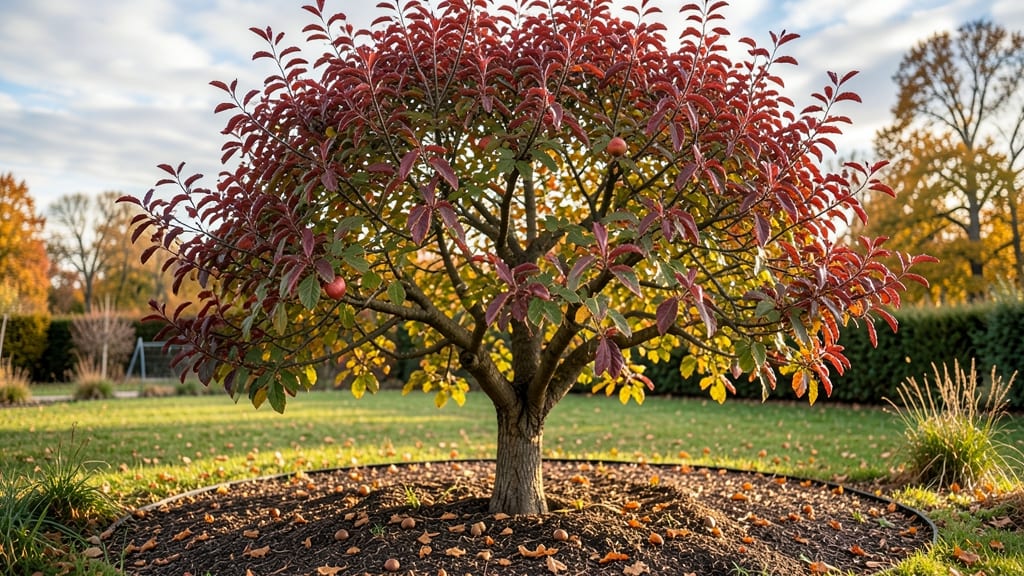
Your apple tree leaves turning red might look stunning, but it’s often a cry for help—not a seasonal highlight. 🌿 I’ve seen this happen after years of ignoring subtle signs, and the difference between a healthy tree and one struggling silently is knowing what to watch for.
The red could mean anything from phosphorus deficiency to anthracnose fungus—or even just summer stress. A quick soil test or close look at the undersides of leaves (check for mites or spots) reveals the real culprit.
Most gardeners miss the early warnings because they assume red leaves are just fall color. Fixing it starts with the right fertilizer (phosphorus-rich for roots, magnesium for leaves) and pruning to improve airflow.
Once you address the root cause, your tree’s foliage will bounce back to that rich, deep green we all love. This isn’t just about saving leaves—it’s about keeping your tree productive for decades. Let’s troubleshoot step by step so you can enjoy both the fruit and the foliage.
Natural Triggers Behind Reddening Leaves
If your apple tree’s leaves are blushing with red hues, it’s often a sign of nature’s own artistic flair—though sometimes it’s a silent cry for attention. Let’s break down the science behind why apple tree leaves turn red, from seasonal magic to hidden stressors.
One of the most common reasons for reddening apple tree leaves is the buildup of anthocyanins, pigments that act like nature’s sunscreen and antioxidants. As daylight shortens in autumn, these compounds flood the leaves to protect them from frost damage and UV rays.
- How it works: Cool nights and bright days trigger sugar accumulation in leaves, which then reacts with anthocyanins to produce red, purple, or orange tones.
- Actionable tip: If your tree’s red leaves appear healthy (no wilting or spots), embrace the show—it’s a natural part of the season!
Too much sun or scorching summer heat can cause leaves to turn red as a stress response. When temperatures soar, chlorophyll (the green pigment) breaks down faster than the tree can replace it, revealing underlying anthocyanins or even burn damage.
- Signs to watch for:
- Leaves feel crispy or dry at the edges.
- Reddening starts on sun-exposed sides (e.g., south-facing branches).
- What to do:
- Provide afternoon shade with shade cloth or nearby trees.
- Water deeply at the roots (1–2 inches per week) to reduce heat stress.
Water stress—whether from drought or overwatering—can turn apple tree leaves red. Roots struggling to absorb moisture trigger the production of stress hormones that alter pigmentation.
| Symptom | Cause | Fix |
|---|---|---|
| Leaves curl upward and turn red. | Underwatering (dry soil). | Water slowly and deeply 2–3 times per week in dry spells. |
| Yellowing between veins + red edges. | Overwatering (root rot risk). | Let soil dry 2 inches deep between waterings; improve drainage. |
Red leaves can signal a nutrient imbalance. While some reddening is normal, extreme cases may point to deficiencies or excesses of key minerals.
- Common culprits:
- Phosphorus deficiency: Dark red/purple leaves (especially on younger growth). Fix: Apply bone meal or compost.
- Magnesium deficiency: Red edges with yellow patches. Fix: Use Epsom salt (1 tbsp/gallon of water) every 4–6 weeks.
- Iron toxicity: Bright red leaves in alkaline soil. Fix: Lower soil pH with sulfur or peat moss.
- 💡 Pro Tip: Test your soil (pH and NPK levels) before guessing—many red-leaf issues stem from pH imbalances!
While less common, pests like aphids, spider mites, or diseases such as apple scab can cause reddening as the tree’s immune system reacts. Look for accompanying signs like:
- Sticky residue (honeydew) from aphids.
- Tiny webs on leaf undersides (mites).
- Black spots or fungal growth (disease).
Solution: Treat with neem oil or insecticidal soap, and prune affected branches to improve airflow.
Revive Your Tree’s Beauty
If your apple tree’s leaves are turning red when they shouldn’t—or if the color isn’t the lush, healthy shade you envisioned—don’t panic! Most issues are fixable with the right care.
Below, we’ve mapped out practical solutions based on the most common causes, along with prevention tips to keep your tree thriving.
Red or purplish leaves often signal a lack of essential nutrients. Here’s how to correct them:
#### 🔥 Fix Iron or Magnesium Deficiency (Yellow Edges + Red Veins) - Apply chelated iron or Epsom salt (magnesium sulfate) to the soil. For iron: Mix 1 tbsp of chelated iron per gallon of water and spray foliage. For magnesium: Dissolve 1 tbsp of Epsom salt in a gallon of water and water the base of the tree. - Use organic matter: Spread 2–3 inches of compost or well-rotted manure around the tree’s drip line (the area where leaves naturally fall). Avoid direct contact with the trunk. - Mulch properly: Add a 2–4 inch layer of organic mulch (like wood chips or straw) to retain moisture and nutrients. #### 🍳 Fix Nitrogen Shortage (Pale Green or Yellow Leaves with Red Tints) - Use a balanced fertilizer: Opt for a 10-10-10 or 5-5-5 NPK ratio fertilizer in early spring. Follow package instructions for dosage. - Try organic options: Coffee grounds (rich in nitrogen) or blood meal (a fast-acting organic fertilizer) work well. Sprinkle ½ cup of coffee grounds or 1 tbsp of blood meal per square foot around the tree. - Prevention tip: Test soil annually (especially in spring) to monitor nitrogen levels. Most apple trees need 0.5–1% nitrogen in the soil.Drought or overwatering can stress your tree, leading to reddened leaves. Adjust your watering routine:
#### 👨🍳 Fix Underwatering (Crispy Edges + Wilting) - Deep watering: Water the tree 1–2 times per week (depending on climate) with 1–2 inches of water per session. Use a soaker hose or drip irrigation to deliver water directly to the roots. - Mulch to retain moisture: A thick layer of mulch (like straw or pine needles) helps lock in water and regulate soil temperature. - Check soil moisture: Stick your finger 2–3 inches into the soil. If it’s dry, it’s time to water. #### 🥘 Fix Overwatering (Yellowing Leaves + Mushy Soil) - Improve drainage: Amend the soil with compost or perlite to aerate it. Avoid compacted or clay-heavy soil. - Adjust watering frequency: Let the top 2–3 inches of soil dry out between waterings. Apple trees prefer slightly moist, not soggy, soil. - Prevention tip: Plant your apple tree in a well-draining location with slope or raised beds if your soil tends to stay wet.Extreme heat, cold snaps, or sudden temperature shifts can cause leaves to turn red prematurely.
#### ⏰ Fix Heat Stress (Scorched or Reddened Leaves) - Provide afternoon shade: Use shade cloth (30–50%) during peak summer hours (12 PM–4 PM) if your tree is in a hot, sunny spot. - Mulch heavily: A 4-inch layer of mulch helps insulate roots and reduce soil temperature. - Water deeply in the morning: This gives roots time to absorb moisture before the sun peaks. #### ❄️ Fix Cold Damage (Red or Brown Spots After Frost) - Protect young trees: Wrap the trunk with tree guard or burlap in late fall to shield it from freezing winds. - Avoid late-season fertilizing: Fertilizing in fall or early winter can encourage new growth that’s vulnerable to frost. - Choose cold-hardy varieties: If you’re in a colder climate, opt for apple tree varieties like ‘Liberty’ or ‘Enterprise’, which tolerate frost better.Some pests and diseases (like aphids, spider mites, or fungal infections) can cause reddening or discoloration.
#### 🔪 Fix Pest Infestations (Sticky Leaves + Red Spots) - Spray with neem oil: Mix 1 tbsp of neem oil per quart of water with a drop of dish soap (as an emulsifier). Spray every 7–10 days until pests are gone. - Introduce beneficial insects: Ladybugs and lacewings eat aphids and mites. Purchase them from garden centers or attract them with native plants like dill or fennel. - Prune affected branches: Remove and dispose of heavily infested leaves to prevent spread. #### 🌡️ Fix Fungal Issues (Red or Purple Spots + Leaf Drop) - Apply copper fungicide: Use a ready-to-use copper spray (like Bonide Copper Fungicide) every 2–3 weeks during wet seasons. - Improve air circulation: Prune to open the canopy and remove any branches rubbing together. - Prevention tip: Avoid overhead watering, which can spread fungal spores. Water at the base of the tree instead. - Prune strategically: Remove dead, crossing, or overcrowded branches in late winter to improve airflow and sunlight penetration. - Monitor pH levels: Apple trees prefer slightly acidic soil (pH 6.0–6.5). Test your soil and amend with sulfur or peat moss if needed. - Avoid herbicides: Chemicals near the tree can damage roots and stress the plant, leading to red leaves. - Plant companion plants: Marigolds, garlic, or chives can repel pests and improve soil health around your apple tree.With these solutions, your apple tree’s leaves should regain their natural green (or the stunning red hues of autumn, if that’s what you’re aiming for!). Consistent care and quick action are key—so keep an eye on your tree and adjust as needed. 🍏✨
Frequently asked questions
Are red apple tree leaves always a bad sign?
Not necessarily! In autumn, red leaves are often a natural response to cooler temperatures and shorter days. The tree produces anthocyanins, pigments that act like sunscreen, protecting leaves from frost damage. If leaves are healthy (no spots, curling, or wilting), the red is just seasonal beauty.
How can I tell if red leaves mean my tree is sick?
Check for these warning signs: yellowing between veins (magnesium deficiency), crispy edges (drought stress), or black spots (fungal disease). Examine leaf undersides for pests like spider mites or aphids. If you spot these, it’s time to investigate soil nutrients or pest control.
Can I fix red leaves by just adding fertilizer?
Not always! Fertilizer helps, but first identify the cause. If it’s a nutrient deficiency, use targeted amendments (like Epsom salt for magnesium or bone meal for phosphorus). For stress-related red leaves, focus on watering adjustments or shade solutions before fertilizing.
Will pruning help my apple tree’s red leaves?
Yes, but strategically! Prune to remove dead or diseased branches and improve airflow. Avoid heavy pruning during red-leaf episodes—focus on late winter when the tree is dormant. This helps prevent fungal spread and reduces stress on the tree.