
Pruning
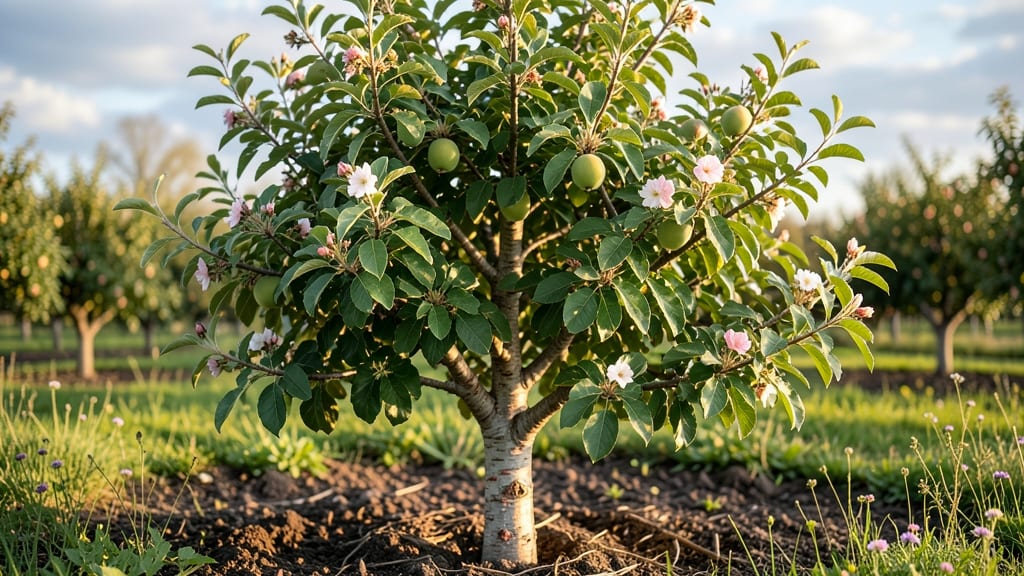
Growing a peach tree in Vancouver’s damp winters and mild summers isn’t just possible—it’s thriving in my own backyard. 🌱 The key lies in choosing the right varieties and adapting traditional peach-growing wisdom to our unique climate, where wet springs and cool summers demand special care.
Vancouver’s Zone 7-8 climate means peach trees need cold-hardy, disease-resistant varieties like ‘Redhaven’ or ‘Elberta’—both of which handle our wet winters better than most.
Planting in well-draining soil and a sunny spot (6+ hours of light) is non-negotiable, but wind protection is just as critical to prevent branch damage during our gusty coastal winds.
With proper pruning to encourage airflow, consistent watering (but never soggy roots), and a watchful eye for peach leaf curl, you’ll see sweet, juicy fruit by mid-summer. The first harvest is the most rewarding part—imagine fresh peaches picked from your own tree, even in a small urban yard.
Local nurseries like Richmond Nursery or UBC Farm carry Vancouver-approved varieties, and composting with local amendments helps mimic the well-drained conditions peaches crave. Whether you’re growing in a raised bed or a large container, these tips turn peach-growing from a challenge into a delicious reality.
📚 In This Guide
- What you need
- Instructions
- Tips and common mistakes
- Wrapping up and next steps
What you need
- ● Pruning shears: Bypass pruners (for cuts under ½ inch) – sharp, high-quality (e.g., Felco or Corona).
- ● Loppers: For branches ½ to 2 inches thick – long-handled for reach.
- ● Pruning saw: For thick branches (2+ inches) – curved blade for clean cuts.
- ● Gloves: Heavy-duty, cut-resistant (e.g., Mechanix or leather) – protects from thorns and splinters.
- ● Disinfectant: 70% isopropyl alcohol or bleach solution (1 part bleach to 9 parts water) – sterilizes tools between cuts.
- ○ Pruning sealant: Optional but helpful for large wounds (e.g., Tanglefoot Tree Wound Pruning Seal).
- ● Tarp or drop cloth: 10x10 feet – covers ground to catch debris.
- ● Trash bags: 2–3 heavy-duty bags – for pruned branches and leaves.
- ● Ladder (if needed): Sturdy, extendable – for tall trees (6+ feet).
- ○ Pole saw (optional): For high branches – saves time and effort.
- ● Notebook & pen: To sketch pruning plan or note observations.
- ● Weather check: Prune on a dry, calm day (avoid wind or rain).
- ● Safety gear: Safety glasses and long sleeves – protects from debris and thorns.
- ● Tree health assessment: Inspect for pests/diseases (e.g., peach leaf curl) before pruning.
- ● Local regulations: Check Vancouver’s urban tree bylaws if pruning a street-side tree.
Step-by-step guide to growing peach trees in Vancouver’s urban spaces
Vancouver’s mild climate makes peach trees possible—here’s how to select the right dwarf varieties and adapt them to containers or small yards.
🌱 Step 1: Choose the Right Dwarf Variety for Vancouver’s Climate
Vancouver’s USDA Zone 7b-8a climate suits peaches, but frost pockets and summer heat demand careful variety selection. Look for dwarf varieties like ‘Bonanza’ or ‘Redhaven’, bred for compact growth and disease resistance. These stay under 10 feet tall, perfect for patios or small backyards. Avoid standard varieties—they’ll outgrow urban spaces quickly.
Check local nurseries for self-pollinating types, like ‘Bonanza’, which eliminates the need for a second tree. If you have space for two, pair ‘Redhaven’ (a pollinator) with another variety for better fruit set. I always verify cold hardiness with the nursery—some labeled "dwarf" still need winter protection in Vancouver’s occasional 20°F dips.
🪴 Step 2: Select and Prepare the Container or Planting Site
For containers, use a 5-gallon pot or larger with drainage holes—peach roots need room to spread but hate soggy soil. Fill with a mix of 60% potting soil, 30% compost, and 10% perlite for aeration. If planting in-ground, choose a sunny, sheltered spot with at least 6 hours of direct sun daily—Vancouver’s coastal fog can limit growth if light is insufficient.
Amend the soil with 1 cup of bone meal at planting to encourage root development. I always test drainage by filling the pot with water, then waiting until it drains completely before planting. Poor drainage in winter causes root rot, which is deadly for peach trees. If your yard has heavy clay, raise the planting area with 6 inches of amended soil to improve drainage.
☀️ Step 3: Plant and Provide Seasonal Care for Urban Conditions
Plant your peach tree in early spring, after the last frost date (typically mid-April in Vancouver). Dig a hole twice as wide as the root ball but no deeper—burying the graft union (visible swelling on the trunk) will stunt growth. Backfill with native soil mixed with compost, then water deeply to settle it around the roots.
Mulch with 2-3 inches of wood chips, keeping it 6 inches away from the trunk to prevent rot. In winter, wrap the trunk with burlap or frost cloth if temperatures drop below 25°F—Vancouver’s occasional cold snaps can damage young trees. I also install a drip irrigation system right away; peaches need 1-2 inches of water weekly during fruit development, but containers dry out faster.
✂️ Step 4: Prune and Train for Small-Space Growth
Prune in late winter (before buds swell) to shape the tree and remove dead or crossing branches. Aim for an open-center shape to maximize airflow and sunlight penetration—critical in Vancouver’s damp climate. Use sterilized pruners to cut just above a bud, angled 45 degrees away from the branch. Never leave stubs; they invite disease.
Thin fruit in early summer to 6-8 inches apart—overcrowded peaches stay small and develop poor flavor. I also remove suckers (shoots from the base) immediately; they drain energy from the main tree. In containers, prune more aggressively to control size, and repot every 2-3 years if roots circle the pot.
🌿 Step 5: Protect Against Vancouver-Specific Pests and Diseases
Vancouver’s mild, wet winters create ideal conditions for peach leaf curl, a fungal disease that distorts leaves. Spray with copper fungicide in late fall and early spring before buds swell. For pests like aphids or peach tree borers, apply neem oil in early summer. I also monitor for bird damage—Vancouver’s urban wildlife loves peaches, so I net trees when fruit ripens.
Fertilize lightly in early spring with 10-10-10 fertilizer, then again after harvest. Over-fertilizing leads to excessive leaf growth at the expense of fruit. Watch for yellowing leaves—a sign of nutrient deficiency or overwatering. Adjust care based on the tree’s response: if leaves stay pale, add iron sulfate or Epsom salt for magnesium.
Tips & tricks for perfect urban peach trees in Vancouver
Urban gardening in Vancouver presents unique challenges—here's how to maximize your peach tree's success in limited spaces.
Variety Selection: When choosing between 'Bonanza' and 'Redhaven', opt for 'Bonanza' if space is extremely limited—it's self-pollinating and stays under 8 feet tall. For slightly larger spaces, 'Redhaven' produces larger fruit but needs a pollinator partner. I always ask nurseries about their cold-hardiness guarantees, especially for Vancouver's unpredictable 20°F dips—some dwarf varieties need extra winter protection despite their size.
Container Care: The 5-gallon pot minimum is non-negotiable for peach trees—roots need room to breathe. I upgrade to 7-gallon containers for better stability and moisture retention. When mixing your soil blend, consider adding 10% coconut coir instead of perlite for better water retention, which is crucial in Vancouver's dry summer months. Always use pots with saucers to catch drainage, preventing root rot from winter moisture buildup.
Frost Protection: Vancouver's occasional 20°F nights can damage young peach trees. Beyond the recommended burlap wrap, I install a mini greenhouse cloche over the entire tree during cold snaps. For container trees, move them to a sheltered corner against a south-facing wall—they'll benefit from reflected heat. Remember to remove protection once temperatures consistently stay above 25°F to prevent overheating during daytime warming.
Pruning Precision: The 45-degree angle cut in Step 4 isn't just aesthetic—it prevents water from pooling on the cut surface, which invites disease. I use a sharp, sterilized pruning saw for thicker branches and make sure to seal larger cuts with pruning sealant to prevent sap loss. When thinning fruit to 6-8 inches apart, focus on the largest, healthiest peaches first—they'll develop the best flavor and size.
Pro Tips for Peach Tree Vancouver
- Urban gardening in Vancouver presents unique challenges—here's how to maximize your peach tree's success in limited spaces.
- Variety Selection: When choosing between 'Bonanza' and 'Redhaven', opt for 'Bonanza' if space is extremely limited—it's self-pollinating and stays under 8 feet tall.
- Container Care: The 5-gallon pot minimum is non-negotiable for peach trees—roots need room to breathe.
Frequently asked questions
Got questions about growing peach trees in Vancouver’s urban spaces? We’ve got answers! Whether you’re a first-time gardener or a seasoned green thumb, here’s what you need to know to keep your peach tree thriving in small spaces or containers.
What are the best peach tree varieties for containers in Vancouver’s climate?
Opt for dwarf varieties like ‘Bonanza’ or ‘Redhaven’—they’re compact, cold-hardy (USDA Zone 7-8), and perfect for containers. Look for rootstocks labeled “dwarf” or “semi-dwarf” to save space. Pro tip: Choose self-pollinating types to simplify fruit production!
How do I protect my peach tree from Vancouver’s rainy winters and late frosts?
Vancouver’s damp winters can stress peach trees. Use a breathable frost cloth or row cover during late frosts (after buds swell). Elevate containers slightly to improve drainage, and mulch heavily with straw or bark. Warning: Avoid plastic wraps—they trap moisture and can cause rot.
When and how should I prune a peach tree in Vancouver’s mild but wet climate?
Prune in late winter or early spring (before buds break) to shape the tree and remove dead wood. Use sterilized tools to prevent disease, and avoid heavy pruning in fall—it can encourage fungal growth. Focus on open-center shaping for containers to maximize airflow.
Why aren’t my container-grown peaches ripening in Vancouver?
Peaches need 600–800 chill hours (below 7°C/45°F) to fruit well. If your tree isn’t producing, check if it’s getting enough winter chill (Vancouver’s mild winters can be tricky!). Try acclimating the tree gradually to cold or choose low-chill varieties like ‘Springcrest.’
Can I grow a peach tree in a pot if I only have a balcony or patio?
Use a minimum 15–20 gallon container with drainage holes, and repot every 2–3 years as the tree grows. Place it in full sun (6+ hours/day) and use a well-draining potting mix with compost. Just remember: container trees need more frequent watering than in-ground ones!
Wrapping up and next steps
Growing a peach tree in Vancouver’s urban spaces is totally doable—whether you have a tiny balcony or a cozy backyard! With the right dwarf varieties, proper pruning techniques, and a little TLC, you’ll soon be enjoying sweet, homegrown peaches.
Remember, patience and consistency are key, especially in our mild but unpredictable climate.
Ready to take the next step? 🌱 Start small—pick a compact variety like ‘Bonanza’ or ‘Redhaven,’ gather your tools, and get pruning! Before you know it, your peach tree will be thriving, and you’ll be the proud peach-growing hero of your neighborhood. Happy gardening! 🍑✨