
Pruning
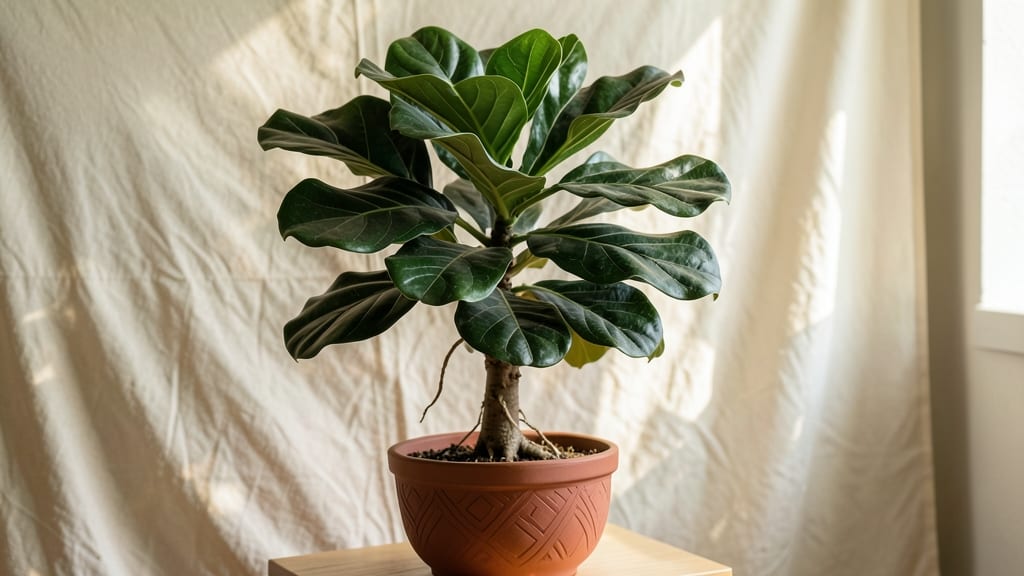
A ficus tree in planter turns any corner into a tropical escape—no yard required. 🌿 I’ve filled my tiny balcony with one, and it’s become the centerpiece that makes my space feel like a lush retreat. The key?
Choosing the right container and placement to keep it thriving while making it look intentional. Start with a planter at least 12-18 inches deep—ficus roots need room to stretch, and shallow pots stunt growth. Glazed ceramic or weather-resistant plastic both work, but drainage holes are non-negotiable.
Place it where it gets bright, indirect light (south or east-facing windows are ideal), and you’ll see that signature glossy foliage stay vibrant all year.
The magic happens when you style it: pair the planter with trailing plants like pothos or ferns to soften the edges, or add a decorative tray underneath to catch water runoff.
With the right care—watering when the top inch of soil dries and occasional misting—your ficus will grow 3-5 feet tall in a planter, creating a statement without sacrificing space. Outdoor spaces? Move it to a shaded patio in summer, then bring it inside before the first frost.
The same care rules apply, and the contrast of indoor-outdoor living makes it even more rewarding. Let’s make that planter pop!
📚 In This Guide
- What you need
- Instructions
- Tips and common mistakes
- Wrapping up and next steps
What you need
- ● Ficus Tree: Choose a dwarf or small variety (e.g., Ficus elastica 'Robusta' or Ficus benjamina) suited for planters (1–3 feet tall).
- ● Planter: Size: 12–18 inches in diameter (minimum) with drainage holes.
- ● Material: Terracotta, ceramic, or fabric grow bags (avoid plastic without drainage).
- ● Potting Mix: Well-draining, airy blend (60% peat/coir + 30% perlite/pumice + 10% compost). 1–2 gallons per tree.
- ● Drainage Layer: 1–2 inches of gravel, pebbles, or broken pottery (prevents root rot).
- ● Pruning Tools: Sharp bypass pruners (for clean cuts).
- ● Sterilized scissors (for fine trimming).
- ○ Support (Optional but Helpful): Small tree stake or bamboo pole (for young, top-heavy trees).
- ● Moss or coco coir (to wrap stakes gently).
- ● Slow-Release Fertilizer: Balanced 10-10-10 or organic options (apply every 2–3 months).
- ● Mulch: Orchid bark or shredded leaves (retains moisture, adds aesthetics).
- ● Spray Bottle: For light misting (ficus loves humidity!).
- ● Decorative Planter Liner: Coconut fiber or landscape fabric (if using a decorative outer pot).
Step-by-step guide to thriving ficus trees in planters
Here's how I keep my ficus trees lush and healthy in containers—perfect for small spaces.
🪴 Step 1: Select the Right Planter and Drainage
Choose a planter at least 12 inches deep with drainage holes—ficus roots need room to spread and hate soggy feet. I like ceramic or terracotta because they breathe better than plastic. If your pot lacks drainage, drill holes yourself or place it in a saucer with pebbles to catch excess water.
Size matters: For a 4-foot ficus, a 16-inch diameter pot works well. Larger pots mean less frequent watering but also slower growth. Use a lightweight potting mix with perlite or orchid bark to prevent compaction. Fill the pot 2/3 full before adding the plant.
🌱 Step 2: Plant and Position for Light
Remove the ficus from its nursery pot and gently loosen the roots if they're circling. Place it in the center of the new planter, then fill around the roots with potting mix, pressing lightly to eliminate air pockets. Leave 1 inch between the soil surface and the pot rim for watering.
Ficus trees thrive in bright, indirect light—think east or west-facing windows. A south window works if filtered (like through sheer curtains). Avoid harsh afternoon sun, which scorches leaves. If your space is dim, supplement with a grow light kept 12-18 inches away for 12-14 hours daily. You'll know it's right when new leaves emerge dark green and glossy.
💧 Step 3: Water Deeply and Establish a Routine
Water thoroughly until it drains from the bottom, then empty the saucer after 15 minutes. Ficus trees prefer slightly dry soil—wait until the top 2 inches feel dry before watering again. Overwatering causes root rot, which smells foul and turns leaves yellow.
In summer, I water every 5-7 days; in winter, every 10-14 days. Check soil moisture by sticking your finger in—if it's damp past the first inch, wait longer. Mist leaves weekly in dry climates to mimic humidity, but avoid soggy soil.
✂️ Step 4: Prune and Fertilize for Fullness
Prune leggy stems in early spring to encourage bushier growth. Cut just above a leaf node at a 45-degree angle to prevent water pooling. Remove any yellow or brown leaves immediately—they drain energy. I also trim back overly long branches to maintain balance in the planter.
Feed with a balanced liquid fertilizer (10-10-10) every 4-6 weeks during spring and summer. Dilute to half-strength to avoid burning roots. In fall and winter, reduce to monthly or skip entirely. Yellowing leaves often mean over-fertilizing—flush the soil with water if this happens.
☀️ Step 5: Monitor and Adjust for Year-Round Health
Watch for pests like spider mites (tiny webs on undersides of leaves) or scale (brown bumps on stems). Wipe leaves with a damp cloth monthly to remove dust and deter pests. If infested, treat with neem oil or insecticidal soap, following label instructions.
Rotate the planter quarter-turn weekly so the tree grows evenly toward the light. In winter, keep temperatures above 55°F—cold drafts cause leaf drop. If leaves yellow and drop, it’s often underwatering or low humidity. Adjust your routine until you see steady, dark green new growth.
Tips & tricks for perfect ficus tree care in planters
Took me a while to figure these out, so here goes—small details make all the difference with container ficus trees.
Pot Selection: When choosing a planter, prioritize material over aesthetics—terracotta pots actually help regulate soil moisture by wicking away excess water through their porous walls. If you love the look of plastic but worry about drainage, opt for a pot with a built-in saucer tray and always empty it after 15 minutes of watering to prevent root suffocation.
Lighting Strategy: That 12-14 hour grow light recommendation isn't just about duration—position matters too. Place the light so it covers the entire canopy evenly, and angle it slightly downward to prevent leaf burn. I notice my ficus grows most vigorously when the light source is about 14 inches away, creating that perfect balance between growth stimulation and gentle illumination.
Watering Wisdom: The "top 2 inches dry" rule is your best friend, but don't rely solely on finger tests. Use a moisture meter for accuracy, especially in winter when evaporation slows dramatically. I've learned the hard way that even well-draining soil can stay damp longer than expected during cooler months—always double-check before watering.
Fertilizer Timing: That half-strength dilution for spring/summer feeding is crucial, but timing matters just as much. I apply fertilizer right after watering to prevent root burn, and always follow up with a thorough watering to rinse away any excess salts. In fall, I switch to a lower-nitrogen formula (like 5-10-10) to encourage root development rather than leafy growth.
Pro Tips for Ficus Tree In Planter
- Took me a while to figure these out, so here goes—small details make all the difference with container ficus trees.
- Pot Selection: When choosing a planter, prioritize material over aesthetics—terracotta pots actually help regulate soil moisture by wicking away excess water through their porous walls.
- Lighting Strategy: That 12-14 hour grow light recommendation isn't just about duration—position matters too.
Frequently asked questions
Got questions about keeping your ficus tree thriving in a planter? You’re not alone! Here are answers to the most common concerns—from pruning to placement—so you can enjoy a lush, happy plant year-round.
How often should I prune my ficus tree in a planter?
Prune your ficus lightly 2–3 times a year to encourage bushier growth. Focus on removing dead leaves, overgrown branches, or leggy stems in late spring or early summer. Avoid heavy pruning in winter, as it can stress the plant. Use clean, sharp shears and sterilize them with rubbing alcohol to prevent disease.
Can a ficus tree outgrow a planter?
Yes! Ficus trees can outgrow planters quickly, especially if they’re root-bound. Choose a planter with drainage holes and repot every 2–3 years (or when roots circle the bottom). Opt for a container 2–4 inches larger in diameter each time. If repotting isn’t an option, trim roots gently during pruning to manage growth.
Why are the leaves on my ficus tree turning yellow or dropping?
Yellowing or dropping leaves often signal overwatering, underwatering, or stress. Check the soil—it should be slightly dry 1–2 inches down before watering. Ensure the planter has drainage, and avoid letting the tree sit in soggy soil. Low humidity or drafts (like AC vents) can also cause leaf drop. Mist leaves occasionally or place a pebble tray under the planter to boost moisture.
What’s the best spot for a ficus tree in a planter?
Ficus trees love bright, indirect light—think near a north or east-facing window. Avoid harsh afternoon sun, which can scorch leaves. If natural light is limited, supplement with a grow light 12–14 hours daily. Rotate the planter occasionally so the tree grows evenly. Keep it away from cold drafts or heating vents, which can shock the plant.
Can I grow a ficus tree in a planter outdoors?
Many ficus varieties (like the Weeping Fig or Rubber Plant) thrive outdoors in USDA Zones 10–12 year-round. In cooler climates, bring potted ficus indoors before temperatures drop below 50°F (10°C). If leaving it outside, choose a sheltered spot (like a covered patio) and protect it from wind. Harden off the plant gradually if moving it between indoor/outdoor spaces.
Wrapping up and next steps
Growing a ficus tree in a planter is a rewarding way to bring nature indoors—even in cozy corners! With the right care, pruning, and attention to light and water, your tree will thrive as a stunning, low-maintenance centerpiece. Remember: patience and consistency are key!
Now that you’re armed with expert tips, why not take the next step? 🌱 Start with a small trim or adjust your planter setup this weekend. Your ficus will thank you with lush, vibrant growth!