
Pruning
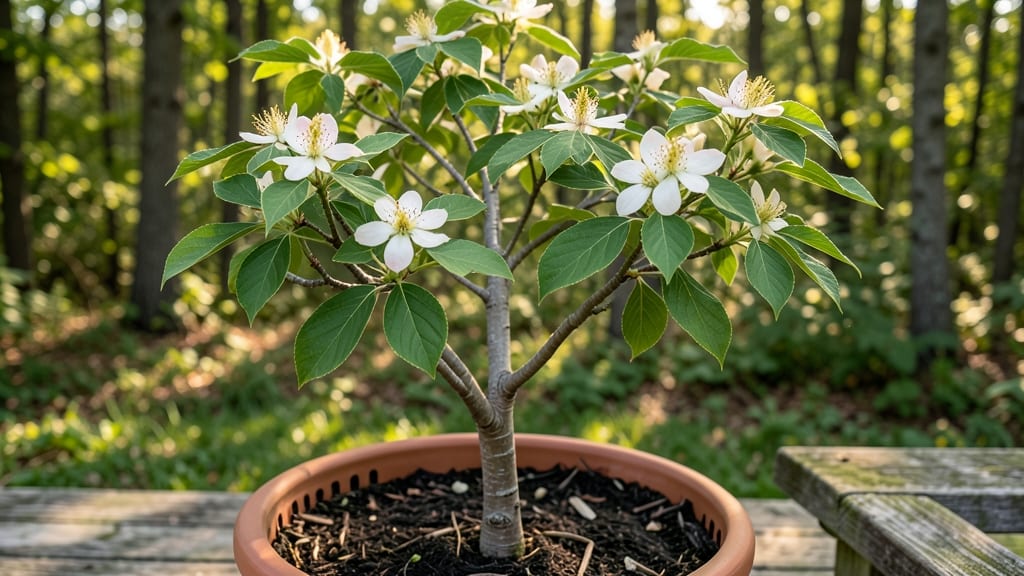
Growing a dogwood tree in a pot transforms your patio into a springtime showpiece with delicate blooms and glossy leaves. ✨ I’ve nurtured mine for three years, and the secret lies in mimicking its woodland roots—well-draining soil, a pot just big enough to avoid root circling, and winter protection that keeps it thriving through cold snaps.
The right setup means your dogwood stays compact and healthy: choose a 15-20 gallon container with drainage holes, a mix of 50% potting soil and 50% perlite, and a spot with morning sun and afternoon shade.
Overwatering is the silent killer—let the top inch dry before watering again, and always use room-temperature water to avoid shocking the roots. By summer, you’ll see clusters of white or pink blooms (depending on variety) followed by vibrant red berries, all without the tree outgrowing its space.
The key is annual repotting in early spring to refresh the soil and prevent root binding, which keeps the tree happy for decades. This method works for both Cornus florida (flowering dogwood) and Cornus kousa (Kousa dogwood), though the latter handles heat better.
The trade-off? You’ll need to prune lightly after flowering to maintain shape—worth it for that neighborhood-stopping display every spring.
📚 In This Guide
- What you need
- Instructions
- Tips and common mistakes
- Wrapping up and next steps
What you need
- ● Pot: A container with drainage holes (minimum 12–18 inches in diameter for dwarf varieties like Cornus florida ‘Cherokee Brave’; larger for standard dogwoods).
- ● Potting Soil: A well-draining mix of 60% peat/coir, 20% perlite, and 20% compost (or a high-quality acidic potting blend). 1–2 gallons per pot size.
- ● Dogwood Tree: A container-grown sapling (1–3 years old) from a nursery. Choose a dwarf or semi-dwarf variety for pots (e.g., Cornus florida ‘Rubra’).
- ● Pruning Tools: Bypass pruners (for clean cuts on <1-inch stems)
- ● Loppers (for thicker branches, if needed)
- ● Sharp pruning saw (for stubborn wood)
- ● Mulch: 2–3 inches of organic mulch (e.g., pine bark or shredded leaves) to retain moisture.
- ● Fertilizer: Slow-release acid-loving plant fertilizer (e.g., 10-10-10 or 8-3-9) or organic options like fish emulsion.
- ● Root stimulator (for transplant shock prevention)
- ● Slow-release moisture beads (to reduce watering frequency)
- ● Support stake or tree tie kit (if your dogwood grows tall in the pot)
- ● pH test kit (to ensure soil stays acidic (5.5–6.5))
- ● Decorative pot saucer (to catch runoff)
Step-by-step guide to growing a dogwood tree in a pot
Here's how to cultivate a stunning flowering dogwood in containers—perfect for patios, balconies, or small yards.
🪴 Step 1: Select the Right Container and Drainage
Choose a large, sturdy pot with a diameter of at least 18-24 inches and depth of 12-18 inches to accommodate the tree's root system. Dogwoods need room to grow, so avoid small containers that will restrict roots. Ensure the pot has multiple drainage holes at the bottom—waterlogged roots will cause root rot and kill your tree.
I recommend using unglazed terra cotta for better breathability, but plastic or resin pots work too. If your pot lacks drainage, drill ¼-inch holes along the bottom edge. Place a 2-inch layer of gravel or broken pottery in the bottom to elevate the root ball and improve airflow.
🌱 Step 2: Prepare the Soil Mix for Optimal Growth
Dogwoods thrive in well-draining, slightly acidic soil with a pH between 5.0 and 6.5. Mix 2 parts high-quality potting soil with 1 part perlite or coarse sand and 1 part peat moss or coconut coir to improve aeration and moisture retention. Avoid garden soil—it compacts in containers and suffocates roots.
Fill the pot ⅓ full with your prepared mix, then tap the sides gently to settle the soil. This ensures even distribution and prevents air pockets that could hinder root development. Leave 2-3 inches of space between the soil surface and the pot’s rim—this allows room for watering and future mulch.
☀️ Step 3: Plant the Dogwood and Ensure Proper Support
Gently remove the dogwood from its nursery pot and loosen the roots if they’re circling. Place the tree in the center of your container, ensuring the root flare (where the roots meet the trunk) sits just above the soil line. This prevents the trunk from sinking too deep, which can lead to rot.
Fill the remaining space with soil, pressing lightly to eliminate air pockets. Water deeply until it drains from the bottom holes, then add a 1-inch layer of mulch (like pine bark or shredded leaves) to retain moisture and regulate soil temperature. Install a small stake near the trunk and secure the tree with a soft tie to prevent wind damage.
💧 Step 4: Water and Fertilize for Healthy Growth
Water the dogwood deeply every 2-3 days during the first 2 weeks to help roots establish. After that, water when the top 1-2 inches of soil feel dry to the touch. Dogwoods in pots dry out faster than in-ground trees, so monitor moisture closely—overwatering is just as harmful as underwatering.
Fertilize once in early spring with a balanced, slow-release fertilizer (10-10-10 or 20-20-20) mixed into the soil. Avoid high-nitrogen fertilizers—they encourage leafy growth at the expense of flowers. In late summer, apply a low-phosphorus fertilizer (like 5-10-5) to support next year’s blooms.
✂️ Step 5: Prune and Maintain for Long-Term Health
Prune your dogwood immediately after flowering (late spring to early summer) to shape the tree and remove any dead, diseased, or crossing branches. Use clean, sharp pruners to make cuts just above a bud or branch collar. Avoid heavy pruning—dogwoods bloom on old wood, so aggressive cuts reduce next year’s flowers.
Move the pot to a sunny location with at least 6 hours of direct sunlight daily, but protect it from hot afternoon sun in summer. If your dogwood develops yellow leaves, it may need more iron—apply a chelated iron supplement to the soil. Repot every 2-3 years in spring if roots emerge from the drainage holes.
Tips & tricks for perfect dogwood tree cultivation in pots
Here's what I've learned from years of growing dogwoods in containers—these tricks will help you avoid common pitfalls and give your tree the best chance to thrive.
Container Size Matters: The 18-24 inch diameter recommendation isn't arbitrary—dogwood roots spread wider than you might expect. If you're working with a slightly smaller pot, consider planting a dwarf variety like 'Little Prince' or 'Cherokee Brave' that naturally stays more compact. Remember, roots need room to establish before they'll support that beautiful canopy of blooms.
Soil pH is Non-Negotiable: Dogwoods are particular about their soil pH range of 5.0-6.5. Test your soil mix before planting—many potting soils are neutral or alkaline. If your mix tests higher than 6.5, amend with peat moss or sulfur to lower the pH gradually. I've seen trees struggle for years because their soil was too alkaline, and it's completely preventable with this simple test.
Watering Wisdom: Those first two weeks are critical for root establishment, but don't fall into the trap of thinking "more water is better." Check moisture by sticking your finger 1-2 inches into the soil—if it feels dry at that depth, it's time to water. Overwatering in containers is just as deadly as underwatering, and dogwoods are particularly vulnerable to root rot once established.
Pruning Precision: When pruning immediately after flowering, focus on removing only dead, diseased, or crossing branches. Dogwoods bloom on old wood, so every cut you make now affects next year's flowers. I recommend making your cuts just above a bud or branch collar where you can see it—this ensures proper healing and prevents unsightly stubs that can harbor disease.
Pro Tips for Dogwood Tree In Pot
- Here's what I've learned from years of growing dogwoods in containers—these tricks will help you avoid common pitfalls and give your tree the best chance to thrive.
- Container Size Matters: The 18-24 inch diameter recommendation isn't arbitrary—dogwood roots spread wider than you might expect.
- Soil pH is Non-Negotiable: Dogwoods are particular about their soil pH range of 5.0-6.5.
Frequently asked questions
Got questions about growing a dogwood tree in a pot?
You’re not alone! Here are answers to the most common concerns—from care tips to troubleshooting—so you can keep your potted dogwood thriving in small spaces.
What’s the best pot size for a dogwood tree?
A young dogwood needs a pot at least 12–18 inches wide and deep, with drainage holes. As it grows, upgrade to a container 2–3 inches larger in diameter every 2–3 years. Avoid oversized pots—they trap moisture and stunt root growth. For dwarf varieties, a 10–12 inch pot may suffice initially.
How often should I repot a dogwood tree in a container?
Repot every 2–3 years or when roots circle the pot (check by gently removing the top layer of soil). Spring is the ideal time—avoid repotting in late summer or fall, as the tree focuses on establishing roots. Use fresh, well-draining potting mix with 10–20% perlite or sand to prevent compaction.
Why are my dogwood leaves turning yellow in a pot?
Yellow leaves often signal overwatering or poor drainage. Let the top 1–2 inches of soil dry out between waterings, and ensure your pot has drainage holes. Yellowing can also mean nutrient deficiency—fertilize lightly in spring with a balanced, slow-release formula (10-10-10). Check for root rot if leaves wilt or soil smells sour.
Can I grow a flowering dogwood in a pot long-term?
Yes, but expect smaller blooms and slower growth than in-ground trees. Dwarf varieties (like ‘Flame Dance’ or ‘Purple Pillar’) thrive in pots for years. For standard dogwoods, prune aggressively to control size and replace the topsoil annually to replenish nutrients. Move pots to partial shade in summer to prevent leaf scorch.
What’s a good alternative if my dogwood isn’t thriving in a pot?
Try these container-friendly alternatives with similar beauty:
- Japanese maple (‘Bloodgood’ or ‘Shishigashira’) – Compact, colorful foliage.
- Dwarf crape myrtle (‘Tonto’) – Vibrant summer blooms.
- Ornamental cherry (‘Snow Fountain’) – Delicate spring flowers.
- Boxwood shrubs – Evergreen and low-maintenance.
Wrapping up and next steps
Growing a dogwood tree in a pot is a rewarding way to enjoy its stunning blooms and compact charm—even in small spaces! With the right container, soil, and care, you’ll create a thriving focal point for your patio or balcony.
Remember, regular pruning and seasonal adjustments are key to keeping it healthy and vibrant.
Ready to transform your space? Start by choosing your pot and follow the steps above—your dogwood’s beauty is just a few weeks away! 🌸✨