
Pruning
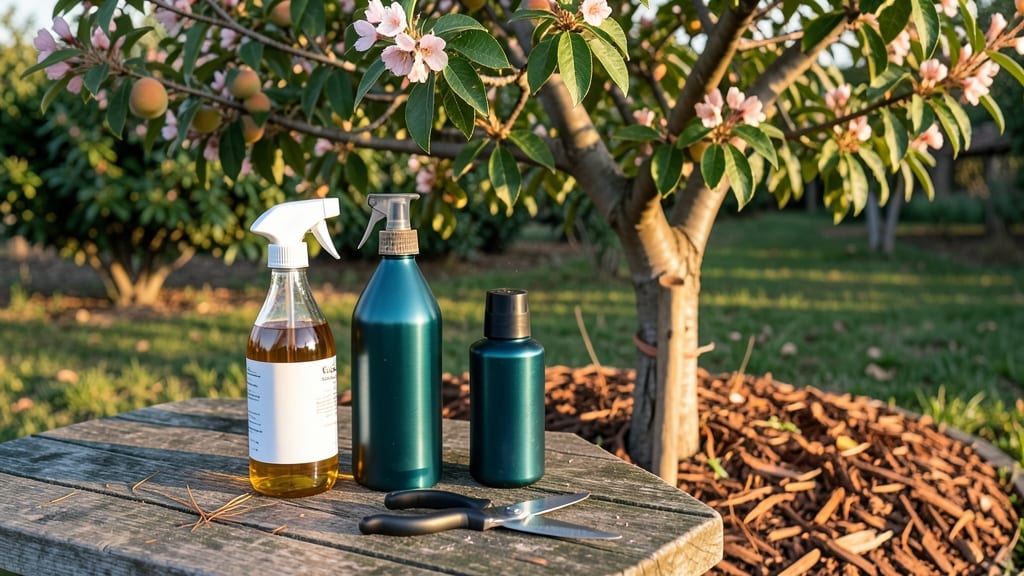
My peach tree treatment journey started with a single branch—rotting, oozing, and covered in black spots that made me want to pull the whole tree out. 🌳 That was my wake-up call: peach trees need more than just water and sunlight to thrive, especially when fungal diseases like brown rot or peach leaf curl move in.
The good news? Strategic pruning and a few targeted treatments can turn a struggling tree into a productive, healthy fruit powerhouse.
Most problems begin with poor air circulation or overcrowded branches, which create the perfect damp, shaded conditions for fungi to take hold. I learned the hard way that pruning isn’t just about shaping—it’s about removing diseased wood, thinning the canopy, and letting sunlight dry out the tree’s core.
Combine that with a 3-step treatment plan (copper fungicide in winter, horticultural oil in spring, and regular monitoring), and you’ll see a noticeable difference by next season’s harvest.
What you’ll end up with is a tree that produces sweeter, juicier peaches while resisting common pests like aphids and borers. The key is acting early—once brown rot sets in, it spreads faster than you can say "canned peaches."
With the right tools and timing, you’ll save your tree and enjoy homegrown fruit for years.
This works for backyard peach trees in zones 5-9, whether you’re dealing with a young sapling or a mature tree that’s seen better days. Let’s get your tree back on track—before next year’s crop is at risk.
Root Causes Behind Tree Stress
Peach trees are resilient, but when they struggle, it’s often due to a mix of environmental, biological, or human-induced factors. Understanding these root causes helps you address the problem at its source—before it affects fruit yield or tree health.
Let’s break down the most common reasons peach trees decline, wither, or fail to thrive.
Peach trees are sensitive to sudden temperature swings, especially during bloom and fruit set stages. Here’s why:
- Late Spring Frosts 🌬️🍃: Peach blossoms are highly vulnerable to frost damage. Even a light freeze (below 28°F/-2°C) can kill petals and young fruit buds, leading to poor pollination and reduced harvests.
The tree’s energy is wasted trying to regrow damaged tissue instead of developing fruit. - Heat Stress 🌡️🔥: Prolonged heatwaves (above 95°F/35°C) cause sunscald on bark and fruit drop due to dehydration.
High temperatures also disrupt pollinator activity, reducing fruit set. - Winter Chill Hours Deficit ❄️⏱️: Peach trees require 300–1,000 chill hours (below 45°F/7°C) to break dormancy. Without enough cold exposure, buds fail to open properly, leading to sparse or deformed fruit.
Actionable Fix:
- Use frost cloths or smoke generators to protect blossoms during late frosts.
- Mulch heavily in winter to regulate soil temps.
- Choose low-chill varieties (e.g., ‘Redhaven’ or ‘Elberta’) if your region has mild winters.
Peach trees are prone to pathogen attacks, which thrive in moist, warm conditions. The most damaging culprits include:
| Disease | Cause | Symptoms | Trigger Conditions |
|---|---|---|---|
| Brown Rot 🍄 | Monilinia fructicola (fungus) | Mummified fruit, cankers, leaf spots | Wet springs, high humidity |
| Peach Leaf Curl 🍃💦 | Taphrina deformans (fungus) | Thickened, curled leaves; stunted growth | Rainy winters + warm springs |
| Bacterial Leaf Spot 🌿🔴 | Xanthomonas bacteria | Water-soaked spots → brown lesions | Overhead irrigation, poor airflow |
| Root Rot 🌱💀 | Phytophthora (water mold) | Wilting, yellowing leaves, soft roots | Overwatered, compacted, or flooded soil |
Actionable Fix:
- Prevent fungal spread with copper fungicides (e.g., Bordeaux mixture) before bloom.
- Remove infected fruit/leaves immediately and dispose of them (do not compost).
- Improve airflow by pruning dense branches and spacing trees 15–20 ft apart.
- Avoid overhead watering—use drip irrigation instead.
Pests don’t just damage fruit—they sap nutrients and transmit diseases. Common offenders:
- Peach Tree Borers 🪲💥: Larvae tunnel under bark, disrupting water/nutrient flow.
Weakened trees become susceptible to fungal infections. - Aphids & Scale Insects 🐜🍓: These sap-suckers excrete honeydew, fostering sooty mold and stunting growth. - Nematodes 🐛🌱: Microscopic worms in the soil pierce roots, reducing water uptake and causing yellowing leaves.
Actionable Fix:
- Handpick borers (look for sawdust-like frass near cracks) and treat with beneficial nematodes (Steinernema carpocapsae).
- Spray horticultural oil (e.g., Neem oil) to smother soft-bodied pests like aphids.
- Test soil for nematodes and rotate crops if possible (though peach trees are long-lived).
Peach trees are heavy feeders and demand balanced nutrition. Deficiencies or excesses trigger stress:
- Nitrogen Deficiency 🍃❌: Leads to yellowing lower leaves (chlorosis) and small, sparse fruit.
Too much nitrogen causes excessive foliage but poor fruit quality. - Potassium Deficiency 🍑⚡: Causes weak stems, poor fruit firmness, and increased disease susceptibility. - Calcium Deficiency 🧀🚫: Results in blossom end rot (brown, leathery spots on fruit) and poor cell wall structure. - Compacted or Waterlogged Soil 💦🚫: Roots suffocate, leading to root rot and nutrient starvation.
Actionable Fix:
- Test soil pH (ideal: 6.0–6.5) and amend with lime (to raise pH) or sulfur (to lower it).
- Apply balanced fertilizer (e.g., 10-10-10) in early spring and after harvest.
- Aerate soil with gypsum or deep tilling to prevent compaction.
- Mulch with wood chips (2–4 inches) to retain moisture and regulate temperature.
Pruning is essential, but mistakes accelerate stress:
- Over-Pruning ❌🪓: Removing >25% of canopy in one season shocks the tree, reducing energy for fruit production.
- Wrong Timing ⏰🚫: Pruning too late (after June) encourages new growth that’s vulnerable to frost.
- Poor Cut Technique ⚔️🔴: Tearing bark or leaving stubs invites bacterial cankers and fungal infections.
- Removing Too Many Fruit Spurs 🍑🚫: These are next year’s fruit buds—pruning them too aggressively reduces harvests.
Actionable Fix:
- Prune in late winter/early spring (before buds swell).
- Use sharp, clean tools and make 45° cuts just above a bud or branch collar.
- Follow the 1/3 rule: Never remove more than 1/3 of the canopy in a single year.
- Prioritize airflow—remove crossing branches and suckers at the base.
Fixing Common Peach Tree Ailments
Revitalizing your peach tree starts with identifying the root of the problem—whether it’s pests, disease, or poor growth habits. Below are practical, step-by-step solutions tailored to the most frequent issues, along with proactive prevention tips to keep your tree thriving for years to come.
Cause: Aphids, peach tree borers, or spider mites can sap your tree’s energy, leading to stunted growth, leaf curl, or even tree death if left unchecked.
🔥 How to Treat It
- Handpick or Blast Off Aphids - Use a strong stream of water from a hose to dislodge clusters of aphids from leaves and branches.
Repeat every 3–4 days until they’re gone. - Pro Tip: 💡 Introduce ladybugs or lacewings—natural predators that feast on aphids without harming your tree.
- Combat Borers with Barrier Treatments - Prune and burn infested branches (especially during dormant season) to remove eggs and larvae. - Apply dormant oil in late winter (before buds swell) to suffocate overwintering borers.
Mix 1–2% oil with water and spray thoroughly. - For severe infestations, use systemic insecticides like imidacloprid (follow label instructions carefully).
- Spider Mite Control
- Neem oil spray (1–2% solution) disrupts their life cycle. Spray early in the morning or evening to avoid harming bees.
- Increase humidity around the tree by watering deeply and mulching—mites thrive in dry conditions.
🌱 Prevention Tips
- Monitor regularly with a magnifying glass for early signs (sticky residue = aphids; tiny webs = mites).
- Encourage biodiversity—plant marigolds or basil nearby to repel pests naturally.
- Avoid over-fertilizing with nitrogen, which attracts soft-bodied pests like aphids.
Cause: Fungal diseases like peach leaf curl, brown rot, or powdery mildew thrive in damp, humid conditions, causing leaf distortion, fruit rot, or defoliation.
🍳 How to Treat It
- Dormant Season Sprays (Best Defense!)
- In late winter (before buds swell), spray a copper fungicide (e.g., copper sulfate) or lime-sulfur mix to prevent leaf curl and other fungi.
- Pro Tip: 🌡️ Time it right—apply when temperatures are above 40°F (4°C) to avoid damaging buds.
- Mid-Season Fungicide Applications
- For brown rot (common in spring), use myclobutanil or potassium bicarbonate spray every 10–14 days during bloom and fruit set.
- Remove and destroy infected fruit immediately to stop spore spread.
- Improve Airflow & Sanitation
- Thin out dense branches during pruning to reduce humidity buildup.
- Rake and dispose of fallen leaves (don’t compost them!) to eliminate fungal spores.
🎯 Prevention Tips
- Water at the base (avoid overhead sprinkling) to keep foliage dry.
- Choose resistant varieties like ‘Redhaven’ or ‘Elberta’ if fungal diseases are rampant in your area.
- Apply mulch (2–3 inches of wood chips) to regulate soil moisture and temperature.
Cause: Over-pruning, improper training, or nutrient deficiencies can lead to weak wood, excessive suckers, or sparse fruiting.
⏰ How to Treat It
- Structural Pruning for Strength
- Remove “water sprouts” (fast-growing vertical shoots) and suckers (shoots from the base) to redirect energy to fruit production.
- Open the canopy by thinning branches to allow sunlight to reach the center—this reduces disease risk and improves fruit quality.
- Nutrient Boost for Recovery
- Soil test first to identify deficiencies (common issues: zinc, iron, or nitrogen).
- Apply a balanced fertilizer (e.g., 10-10-10) in early spring and a potassium-rich fertilizer (e.g., 0-0-50) before harvest.
- Avoid over-fertilizing—peach trees prefer leaner soil to avoid excessive vegetative growth over fruit.
- Revitalize Mature Trees
- Renovate old trees by cutting back 1/3 of the oldest wood in stages over 2–3 years to stimulate new growth.
- Graft new scions if the tree is declining—this can rejuvenate productivity.
✨ Prevention Tips
- Prune in late winter (while the tree is dormant) to minimize stress.
- Train young trees with a central leader or open-center shape for better airflow.
- Avoid heavy pruning in summer—it stresses the tree and attracts borers.
If your peach tree shows sudden wilting, oozing sap, or large dieback, act fast: - Check for borers—split open affected branches to look for larvae.
Treat with soil drenches of imidacloprid or borer-specific baits. - Replenish moisture—deep-water the tree if drought stress is suspected. - Consult a local extension service for soil tests and disease diagnosis if unsure.
Final Reminder: 🌟 Prevention is the best cure! Regular inspections, proper pruning, and seasonal treatments will keep your peach tree healthy and productive. Start small—focus on one issue at a time to avoid overwhelming your tree (or yourself!).
Frequently asked questions about peach tree care
When is the best time to prune my peach tree?
Prune your peach tree during late winter or early spring, just before buds begin to swell. This timing minimizes stress and allows the tree to heal before the growing season. Avoid pruning after June—new growth may not harden off before fall frost. Focus on removing dead, diseased, or crossing branches first to improve airflow.
How do I know if my peach tree has brown rot?
Look for mummified fruit still clinging to branches, black cankers on twigs, and dark spots on leaves. Brown rot thrives in wet springs, so remove all infected fruit immediately and dispose of it (don’t compost). Apply copper fungicide before bloom to prevent spread. Early detection is key—this disease spreads rapidly!
Can I use neem oil on my peach tree?
Yes! Neem oil is excellent for aphids, spider mites, and fungal diseases like peach leaf curl. Mix 1–2 tablespoons per gallon of water and spray in early morning or evening to avoid harming bees. Reapply every 7–14 days during active pest seasons. For best results, use it as a preventive treatment in spring and fall.
Why are my peach tree leaves curling?
Curling leaves could signal peach leaf curl fungus, aphid infestation, or nutrient deficiency. Start by checking for thickened, puckered leaves (fungus) or sticky residue (aphids). Treat fungal issues with copper fungicide in dormant season, and blast aphids off with water. If leaves are yellowing between veins, your tree may need iron or zinc.
How often should I water my peach tree?
Water deeply 1–2 times per week during the first growing season to establish roots, then reduce to once weekly once established (unless in extreme heat). Aim for 1–1.5 inches of water per week, delivered at the base of the tree (avoid wetting foliage). Mulch with 2–4 inches of wood chips to retain moisture and regulate soil temperature.