
Leaf Blower
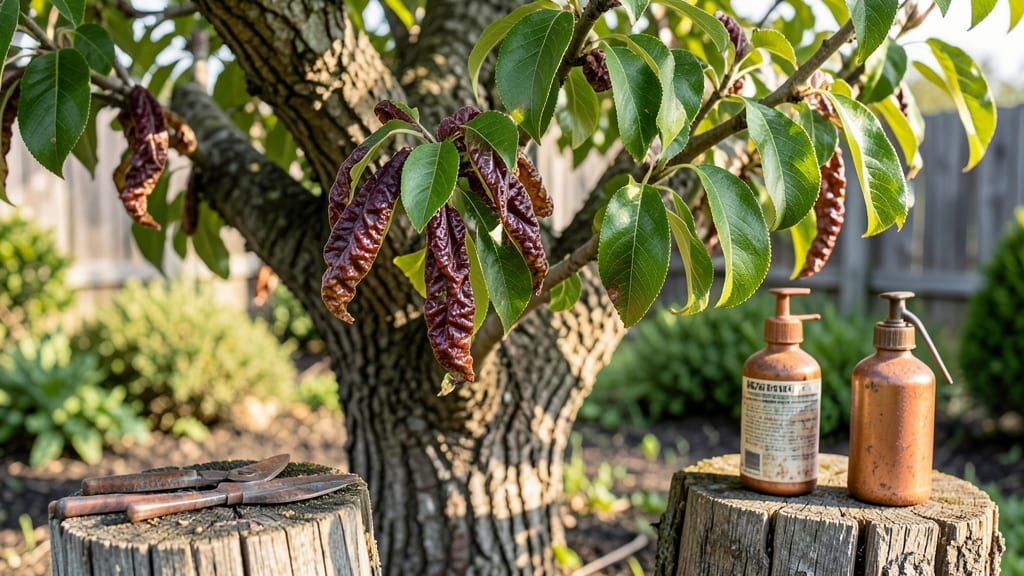
Your peach tree’s leaves curling into tight, puckered messes? 🌿 That’s leaf curl fungus—and copper spray is the foolproof cure that’s saved my trees every spring. This stubborn disease twists leaves before they even unfurl, stealing sunlight and energy from your fruit production.
But with the right timing and treatment, you can stop it dead in its tracks. The key is acting early: spray copper fungicide before buds swell in late winter, then again when you see the first signs of curling.
Yes, it’s a bit of work, but it’s the only way to break the fungus’s life cycle. I’ve tried everything—organic oils, baking soda sprays, even pruning—but copper is the only thing that consistently stops it from spreading to new leaves.
By summer, your tree will look healthy and productive again, with no more curled, stunted foliage. The fruit won’t be stunted, and your tree will bounce back stronger than ever. Copper isn’t just a quick fix—it’s a long-term shield against this persistent problem.
Works for home orchards, backyard trees, and even container-grown peaches. Let’s get that spray bottle ready—your tree’s future harvest depends on it.
Root Causes Of Leaf Distortion
Peach tree leaf curl isn’t just an annoying cosmetic issue—it’s a fungal infection caused by Taphrina deformans, a microscopic pathogen that thrives in specific conditions. Understanding why this fungus attacks your trees is the first step to preventing it.
Below, we break down the key triggers, from environmental factors to tree health, so you can take targeted action.
The fungus Taphrina deformans survives harsh winters by hiding in infected bark, buds, or fallen leaves. When spring arrives, these dormant spores reactivate and spread to new growth.
- How it works: Spores release ascospores (reproductive cells) when conditions are moist and cool (40–60°F). These spores latch onto fresh peach tree leaves, germinating within hours.
- Actionable insight: Prune and remove all infected leaves and bark in late fall/winter. Burn or compost them away from the tree—never leave them on the ground.
- Pro tip: 💡 Use a sterilized pruner (soak in 10% bleach solution) to avoid spreading spores to healthy branches.
Leaf curl fungus loves wet, cool springs. The pathogen thrives when:
- Relative humidity stays above 70% for prolonged periods (e.g., overnight dew or rain).
- Temperatures hover between 50–70°F—perfect for spore germination.
Why it matters: Heavy spring rains or frequent fog create a "fungal buffet" for Taphrina. Once leaves unfold, the fungus infects them within 24–48 hours of spore exposure.
Actionable fix:
- 🌡️ Monitor weather forecasts and apply copper fungicide (like copper hydroxide) before rain if humidity rises.
- ✨ Improve airflow around trees by pruning dense branches or thinning nearby vegetation.
Healthy peach trees resist fungal attacks, but stress makes them vulnerable. Common stressors include:
| Stressor | How It Helps the Fungus | Solution |
|---|---|---|
| Nutrient deficiencies (especially nitrogen or zinc) | Weakens cell walls, making leaves easier targets. | Test soil and amend with compost or balanced fertilizer (10-10-10). |
| Physical damage (hail, frost, or improper pruning) | Creates entry points for spores. | Prune in late winter (before bud swell) to avoid stressing the tree. |
| Root competition (weeds or grass stealing nutrients) | Starves the tree, reducing its ability to fight pathogens. | Mulch with 3–4 inches of wood chips and keep a 2–3 ft radius weed-free. |
Key takeaway: A stressed tree is a fungus’ best friend. Prioritize preventative care (like soil testing and proper pruning) to bolster natural defenses.
Fungal spores are persistent. If you’ve had leaf curl before, lingering spores on tools, clothing, or even your shoes can reinfect the tree.
- Common mistakes:
- Reusing pruners or rakes without cleaning them.
- Leaving fallen leaves under the tree (they’re spore factories!).
- Storing tools in damp garages or sheds.
- Cleanup protocol:
- 🔪 Disinfect tools with 70% rubbing alcohol or a 1:9 bleach-water mix after each use.
- 🌡️ Bag and remove all infected debris—do not use it as mulch.
- 👨🍳 Wash hands and change clothes after working near infected trees.
Stopping Leaf Curl Before It Spreads
Peach tree leaf curl fungus can turn your fruit-bearing dreams into a frustrating mess, but don’t worry—there are practical ways to tackle it. The key is acting quickly and combining prevention, treatment, and ongoing care.
Below, we break down the most effective fixes based on the cause of your tree’s distress.
🔥 Prune Infected Branches ImmediatelyWhen you spot curling or thickened leaves, remove them ASAP to prevent spores from spreading. Use clean, sharp pruners and sterilize them with rubbing alcohol or a 10% bleach solution between cuts. Focus on:
- Severely curled or distorted leaves
- Branches with excessive gumming or oozing
- Dead or dying twigs (they harbor fungus)
💡 Pro Tip: Dispose of pruned material in a sealed bag—do not compost it, as spores can survive and reinfect.
🍳 Apply Copper Fungicide (The Gold Standard)Copper-based sprays are the most effective treatment for leaf curl fungus. Here’s how to use them:
- 🔪 Choose the right product: Look for copper hydroxide or copper sulfate (e.g., Copper Soap, Bordeaux Mixture). Follow label instructions for concentration.
- 🌧️ Timing is critical: Spray before buds swell (late winter/early spring) and again after harvest (fall). For severe cases, add a third application in early summer.
- 👨🍳 Mix and apply properly:
- Wear gloves and a mask (copper can irritate skin).
- Shake well and apply until leaves are wet (undersides too!).
- Avoid spraying on hot days (over 90°F) to prevent leaf burn.
✨ Bonus: Mixing copper with a horticultural oil (like Neem Oil) can boost effectiveness against resistant spores.
🌡️ Combine Fungicides with Organic BoostersFor trees with widespread symptoms, layer treatments for better control:
| Treatment | How to Use | When |
|---|---|---|
| Copper Fungicide | Spray every 2–3 weeks during growing season (spring to fall). | Late winter, post-harvest, and mid-summer |
| Potassium Bicarbonate (e.g., Bak-Soil) | Mix 1 tbsp per gallon of water + a drop of dish soap. Spray weekly as a preventative. | Spring through fall |
| Baking Soda Spray (DIY) | Dissolve 1 tsp baking soda + 1 tbsp oil + 1 tsp soap in 1 quart water. Spray every 10 days. | Early spring and late summer |
💡 Pro Tip: Always test a small branch first to check for chemical sensitivity.
🎯 Remove and Replace Severely Damaged Trees (Last Resort)If your tree is over 50% infected with no fruit production, it may be time to replace it. Leaf curl weakens trees over time, making them susceptible to other diseases. Choose resistant varieties like:
- Redhaven (moderately resistant)
- Elberta (better tolerance)
- Contender (disease-resistant hybrid)
Fungus spores overwinter in dead leaves and bark. Prevent reinfection with these steps:
- ⏰ Clean up fallen leaves in fall and spring—bag and trash them.
- 🔪 Prune in dormant season (late winter) to remove infected wood.
- 🌡️ Monitor humidity—leaf curl thrives in wet conditions. Improve airflow with proper spacing.
A healthy tree fights off fungus better. Boost immunity with:
- 💪 Balanced fertilization (high in potassium and phosphorus). Avoid excess nitrogen.
- 🌧️ Deep watering (1–2 inches per week) to prevent stress.
- 🌿 Mulch properly—keep mulch 3–4 inches deep but away from the trunk.
Don’t make these errors that worsen leaf curl:
- ❌ Skipping early-season sprays—fungus spreads fast in spring!
- ❌ Using copper on hot days (causes leaf burn).
- ❌ Ignoring nearby infected trees—spores jump easily.
With consistent care, you can reverse leaf curl and keep your peach tree thriving. Start today—your tree’s future fruit depends on it! 🍑🌟
Frequently asked questions about peach tree leaf curl
What do peach tree leaves look like when infected with leaf curl?
Infected leaves start as small, puckered curls that thicken and turn reddish-brown. They often appear before the leaf fully unfolds, giving a "cupped" look. In severe cases, leaves may remain curled all season, stunting growth and reducing fruit production.
Can copper fungicide harm my peach tree if used incorrectly?
Yes, but only if applied improperly. Avoid spraying when temperatures exceed 90°F or on windy days. Always follow label rates and rinse fruit-bearing branches thoroughly before harvest. Copper is safe when used correctly—just follow the 3-4 week pre-harvest interval.
How often should I spray copper fungicide for prevention?
For prevention, apply copper fungicide 3 times per season: before bud swell (late winter), after harvest (summer), and dormant season (fall). For active infections, add a 4th spray in early summer to protect new growth.
Will removing infected branches stop the spread?
Yes, but only if done properly. Prune all infected branches in dormant season (late winter) and sterilize tools between cuts. Bag and remove infected material immediately—never compost it. This removes the fungus's overwintering sites.
Are there any organic alternatives to copper fungicide?
Yes, but with limited effectiveness. Try potassium bicarbonate (1 tbsp/gallon) or baking soda spray (1 tsp baking soda + oil/soap) as preventatives. For active infections, these help but won't replace copper. Always combine with proper pruning and sanitation.