
Pruning
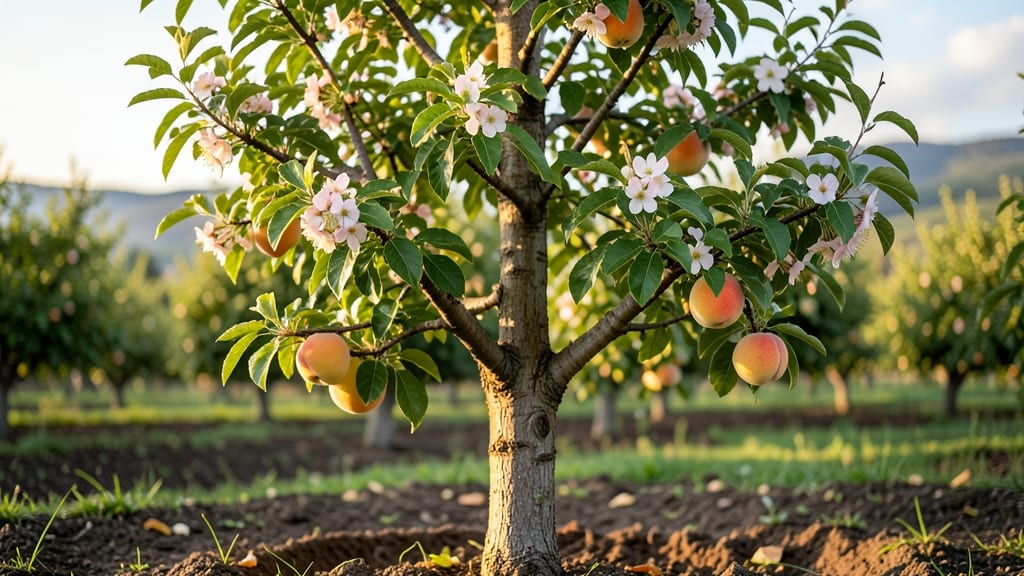
Peach trees grow exceptionally well in Missouri's climate, especially with frost-resistant varieties like ‘Reliance,’ ‘Redhaven,’ and ‘Elberta,’ which excel in USDA Zones 5-7. Opt for early-blooming types to minimize frost damage and use disease-resistant rootstocks such as ‘Lovell’ or ‘Halford’ for healthier trees.
Missouri’s variable climate—with its hot summers and unpredictable frost patterns—makes selecting the right peach tree variety critical. 🌳 The key is choosing trees that bloom after the last frost (typically mid-April) while still maturing fruit before fall’s chill sets in.
For instance, ‘Contender’ thrives in Zone 5 and produces sweet, yellow-fleshed fruit, while ‘Redhaven’ (a Zone 6-7 favorite) offers a classic red-blush appearance and balanced sugar-acid ratio. These varieties aren’t just about survival; they’re about delivering consistent, high-quality harvests year after year.
What sets Missouri-grown peaches apart is the region’s humid summers, which demand extra attention to disease prevention. Brown rot, a common fungal issue, can devastate crops if left unchecked. I’ve found that proper spacing (15-20 feet between trees) and regular pruning to improve airflow work wonders.
Plus, planting in well-draining soil and mulching heavily in winter can make all the difference between a thriving orchard and a struggling one.
💡 In This Article
- Missouri’s Best Peach Tree Varieties by Cold Hardiness
- Planting and Care Tips for Missouri Peach Trees
Missouri’s best peach tree varieties by cold hardiness
Missouri’s climate—with its sharp temperature swings and late spring frosts—demands peach varieties that balance cold tolerance with fruit maturity timing. The ‘Contender’ stands out as a top performer in Zone 5, where winter temperatures can drop below -15°F.
This variety’s secret lies in its delayed bloom cycle, which typically begins in late April, after the average last frost date in Missouri’s northern regions. The result?
Fewer lost blossoms and more consistent fruit set. 🌟 Its flesh is notably sweet (measuring 18-20° Brix at peak ripeness) with a creamy texture that’s less prone to the mealiness some other cold-hardy varieties develop.
For Zones 6-7, ‘Redhaven’ remains a classic choice, prized for its red-blushed skin and balanced flavor profile (sugar content around 16-18° Brix). What makes it thrive in Missouri is its moderate chilling requirement of 500-600 hours below 45°F, perfectly aligning with the state’s winter patterns.
However, its earlier bloom (mid-April) means growers must monitor frost forecasts closely—just a 24-hour warning can mean the difference between a full harvest and significant blossom loss.
The ‘Elberta’ variety, another Zone 6-7 favorite, offers a sweeter profile (20° Brix) but requires slightly more winter protection due to its thinner bark.
The choice of rootstock plays an equally critical role in Missouri’s climate. ‘Lovell’ rootstock, for instance, provides excellent cold hardiness (Zone 5 tolerance) while promoting dwarf growth—ideal for home orchards with limited space. It also exhibits resistance to nematodes, a common soil pest in Missouri’s humid climate.
When grafted onto this rootstock, varieties like ‘Contender’ develop stronger root systems that can better withstand the state’s heavy clay soils in some regions, which can lead to poor drainage if not amended properly.
Seasonal timing is another critical factor. Early-ripening varieties like ‘Redskin’ (Zone 5-6) mature in 85-90 days after bloom, allowing fruit to develop before Missouri’s first fall frosts typically arrive in late September. Late-season varieties, however, may struggle—even ‘Redhaven’ can experience reduced sugar levels if harvest extends past mid-October.
This is why many Missouri growers plant a mix of early, mid, and late varieties to spread out the harvest window and maximize fruit quality.
What most gardeners overlook is how microclimates within Missouri create ideal conditions for specific varieties. For example, the Ozark Mountains region (Zone 6) often sees 10-15°F warmer winters than northern Missouri (Zone 5), allowing varieties like ‘Redhaven’ to thrive where ‘Contender’ might struggle.
Conversely, the bootheel area (Zone 7) can experience earlier springs, making late-blooming varieties like ‘Elberta’ a safer bet. Understanding these local variations can mean the difference between a 50% yield loss and a bumper crop.
Consider these key factors when selecting varieties for your Missouri orchard:
- Chilling hours: Match your variety’s requirement (e.g., 500-600 hours for ‘Redhaven’) with your local winter patterns
- Bloom timing: Prioritize late-April bloomers to avoid spring frosts (check your local USDA frost date)
- Rootstock compatibility: Use ‘Lovell’ for cold tolerance or ‘Halford’ for disease resistance in humid areas
- Soil preparation: Amend heavy clay soils with compost or sand to improve drainage
For those new to peach growing, starting with one cold-hardy variety (like ‘Contender’) and one classic (like ‘Redhaven’) provides a good balance of resilience and flavor. This approach lets you learn the nuances of Missouri’s climate while building experience with different ripening times. 🌱