
How To
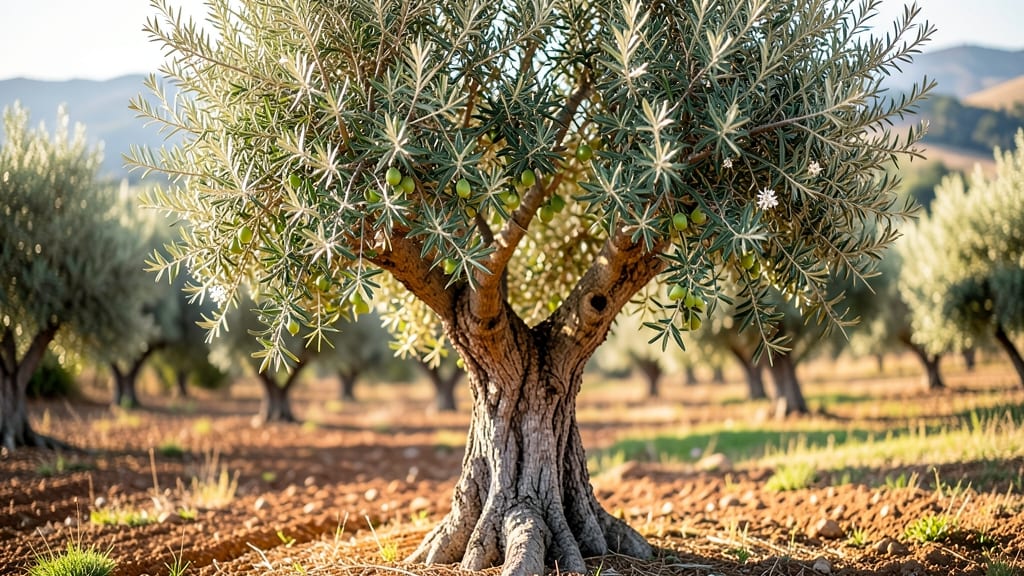
Understanding how tall does an olive tree grow is essential—its mature height can range from a compact 8-foot dwarf to a towering 50-foot giant, depending on the variety and care you provide.
Picture this: your tiny sapling today could one day shade your patio—or require a ladder just to pick olives. The difference? Variety, pruning, and growing conditions. Without the right approach, even a dwarf tree can outgrow its space, while a standard type might stay surprisingly manageable with consistent trimming.
Here’s the key: dwarf varieties like Arbequina max out around 10 feet, while standard types like Mission can reach 30+ feet if left unchecked. Container-grown trees stay smaller, but in-ground plants stretch toward the sky—unless you intervene with pruning.
Below, I break down the heights by variety, how to control growth, and the pruning secrets that keep your olive tree at your desired size—without sacrificing health or fruit production.


Olive tree height by variety: dwarf to giant sizes explained
Choosing an olive tree variety is one of the first decisions that determines how much space it will occupy in your landscape. Dwarf varieties like 'Little Ollie' stay under 10 feet tall, while standard types like 'Mission' can reach 40+ feet in ideal conditions.
Even the smallest olive trees need room to spread, so understanding these height differences helps you plan for long-term growth and maintenance.
Olive trees grow at different rates depending on their genetics, but most varieties follow a predictable growth pattern. Dwarf and semi-dwarf types mature faster, often reaching their full height within 5-7 years, while standard varieties may take 10-15 years to reach maturity.
This growth timeline is crucial for gardeners with limited space or those looking to harvest olives sooner rather than later.
Here’s a quick comparison of how different olive tree varieties stack up in height, along with their ideal spacing requirements to prevent overcrowding and ensure healthy growth.
The 'Little Ollie' olive tree is my top recommendation for urban gardeners or those with limited space. This dwarf variety tops out at just 6-10 feet and thrives in containers, making it perfect for patios or small balconies.
Its compact size also means it requires less aggressive pruning, saving you time and effort in the long run.
For homeowners with a bit more room, the 'Arbequina' variety is an excellent choice. Known for its high oil production, this tree grows to 8-12 feet tall and spreads 8-10 feet wide, making it ideal for both culinary and ornamental use.
Plant it 10-12 feet away from structures or other trees to allow for proper airflow and
How growing conditions affect olive tree height (and how to control it)
Your olive tree’s height isn’t just about genetics—it’s a dance between nature and your gardening choices. Climate, soil quality, sunlight exposure, and pruning habits can turn a 15-foot dwarf variety into a 40-foot giant or keep it neatly contained.
Understanding these factors lets you shape your tree’s growth, whether you want a container-friendly shrub or a landscape statement.
For example, olive trees in Mediterranean climates grow faster and taller due to ideal warm days and cool nights. In container gardens, root restriction naturally limits height, while overwatering or poor drainage can stunt growth or encourage weak, leggy branches.
Even sunlight hours play a role—6+ hours of direct sun fuels vertical growth, while partial shade keeps trees shorter and bushier.
- 🌡️ Climate: Mediterranean zones (6-10) produce taller, faster-growing trees. Cooler zones (6-8) slow growth, keeping trees compact.
- 🪴 Container vs. Ground: Potted olives max out at 8-12 ft due to root restriction. In-ground trees reach 20-50 ft without pruning.
- ☀️ Sunlight: Full sun (6-8+ hours) = taller, leggier growth. Partial shade = bushier, shorter habit.
- 💧 Watering: Overwatering causes weak, stretched growth. Drought stress triggers compact, sturdy branches.
- ✂️ Pruning: Annual pruning keeps trees 30-50% smaller than unpruned. Topping limits height but may reduce fruit yield.
Soil type is another silent height controller. Olive trees thrive in well-draining, slightly alkaline soil (pH 6.0-8.0). Clay-heavy or waterlogged soil restricts root growth, leading to shorter, stunted trees. Amend your soil with sand or gravel to encourage deeper roots and taller, stronger growth.
In container gardening, use a fast-draining mix with perlite or pumice to mimic ideal conditions.
If you’re growing olives in containers or small spaces, pruning is your best friend. Focus on structural pruning in late winter (before new growth) to shape the tree. Remove suckers and water sprouts regularly to redirect energy into horizontal branching rather than vertical height.
For landscape trees, selective pruning—cutting back 1/3 of the tallest branches annually—can keep a 25-foot tree at a manageable 15 feet.
Pro tip: Olive trees respond well to "heading back"—cutting branches just above a leaf bud. This encourages bushier growth and prevents ladder-like elongation. Pair this with regular mulching (2-3 inches of organic mulch) to suppress weeds and retain moisture, which supports steady, controlled growth.
Remember, patience is key. Olive trees grow slowly (6-12 inches per year), so dramatic height changes take years.
But with the right climate adjustments, soil prep, and pruning schedule, you’ll steer your olive tree toward your ideal height—whether that’s a tabletop-sized container tree or a pruned landscape beauty. 🌿