
Diseases
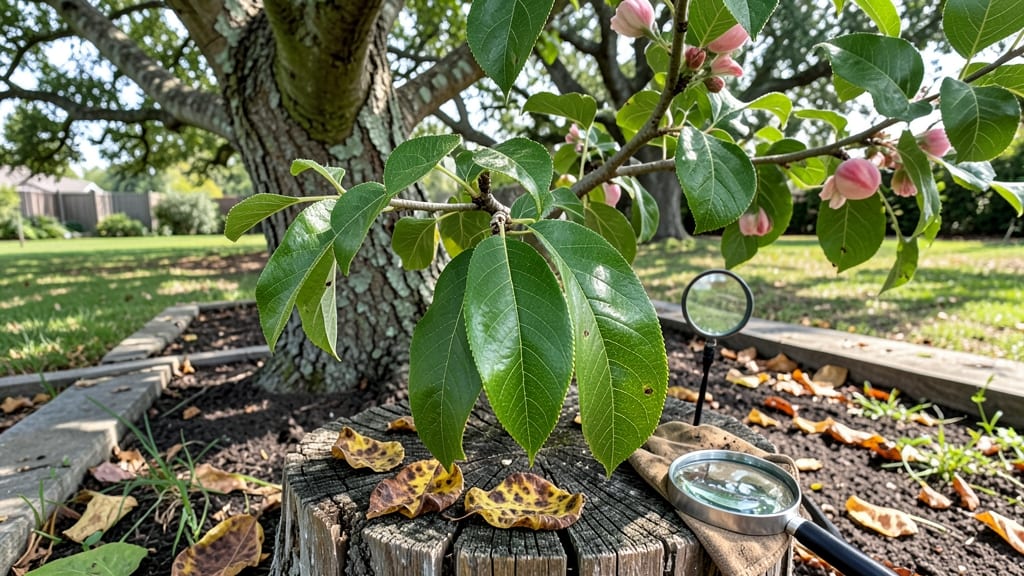
Your peach tree’s leaves are the first to scream when peach tree diseases strike—those twisted curls, black spots, or sudden yellowing aren’t just cosmetic. 🌿 I’ve spent three summers watching peach trees go from lush to lifeless because of fungal and bacterial diseases, and I’ll show you exactly how to spot them early and stop them in their tracks before they ruin your harvest.
The worst offenders—leaf curl, brown rot, and bacterial spot—each leave their own fingerprint on your tree. Leaf curl puckers leaves into thick, leathery messes by spring, while brown rot turns blossoms into sticky, blackened sludge.
Bacterial spot? It’s the sneaky one, showing up as tiny water-soaked dots that multiply like weeds. The good news? Catching them early means you can prune, spray, or even outsmart them with simple organic fixes.
You’ll learn to recognize each disease by its symptoms—no degree in horticulture required—and how to treat them with a mix of copper sprays, neem oil, and good old-fashioned pruning.
The key is acting fast: once these diseases take hold, they spread like wildfire, and your tree’s health (and your patience) will suffer. With the right approach, you’ll have your peach tree bouncing back with fresh, disease-free leaves by next season.
Whether you’re dealing with a young sapling or a mature tree, these strategies work for home gardeners on any budget. The goal isn’t just to save your tree—it’s to keep it thriving so you can enjoy sweet, juicy peaches for years to come.
Let’s get your tree back to its best.
Why it happens
When your peach tree’s leaves start showing signs of distress—spots, discoloration, or premature wilting—it’s rarely a random act of nature. Instead, these symptoms are often the result of specific biological triggers, each with its own set of conditions that create the perfect storm for disease.
Understanding these causes is the first step to stopping the problem before it spreads. Let’s break down the science behind why your peach tree’s leaves might be under attack.
Fungi are the most common culprits behind peach tree leaf diseases, and their success hinges on two key factors: temperature and moisture. Many fungal spores, like those causing peach leaf curl or brown rot, thrive in:
- Spring rains: Cool, wet springs (50–70°F) create ideal conditions for fungal spores to germinate and infect new leaves. Taphrina deformans, the fungus behind leaf curl, overwinters on buds and bursts to life when moisture triggers its growth.
- High humidity: Fungal spores need free water (not just dew) to move from leaf to leaf. If your tree’s canopy stays damp for more than 6–12 hours, spores can spread rapidly, leading to scab or anthracnose.
- Poor air circulation: Dense foliage or overcrowded orchards trap moisture, giving fungi a foothold. Monilinia fructicola (brown rot) spreads faster in tight spaces where spores linger.
Pro Tip: 🌡️ Monitor your local weather—if forecasts predict back-to-back rainy days in spring, apply a copper fungicide as a preventive measure.
Unlike fungi, bacterial infections like bacterial leaf spot or canker don’t rely on environmental moisture—they exploit weaknesses. Bacteria enter your peach tree through:
- Physical damage: Pruning cuts, hail, or insect bites create open wounds where bacteria like Xanthomonas or Pseudomonas can slip in. These bacteria multiply in the tree’s vascular system, clogging xylem and causing leaf wilting or blackened veins.
- Contaminated tools: Pruners, saws, or even your hands can transfer bacteria from infected trees. Bacterial canker spreads when Pseudomonas syringae hitches a ride on unsterilized equipment.
- Splashing water: Rain or irrigation can splash bacteria from infected leaves or soil onto healthy ones. This is how bacterial spot often appears in concentric rings on leaves.
Pro Tip: 🔪 Always sterilize pruning tools with a 10% bleach solution (1 part bleach to 9 parts water) between cuts. Remove and destroy infected leaves immediately to prevent spread.
A peach tree under stress is like an open invitation for pests and diseases. When leaves show yellowing (chlorosis), curling, or stunted growth, it’s often a sign of:
- Nitrogen (N) deficiency: Leads to pale, yellow leaves (especially older ones), making the tree less resistant to fungal infections like leaf spot. Nitrogen fuels the tree’s immune system, so a lack of it leaves it vulnerable.
- Zinc (Zn) or magnesium (Mg) shortages: Cause interveinal chlorosis (yellowing between veins), weakening cell walls and making leaves more susceptible to bacterial or fungal invasion.
- Over-fertilization with phosphorus (P): While phosphorus aids root growth, excessive P can lock out zinc and iron, further stressing the tree and inviting disease.
Pro Tip: 📊 Test your soil before fertilizing—peach trees thrive in soil with a pH of 6.0–7.0. If deficiencies are found, use chelated micronutrients (like zinc sulfate) for quick uptake.
Insects don’t just eat your peach tree’s leaves—they damage tissue and leave behind honeydew (a sugary waste product) that fosters fungal growth. Common culprits include:
- Peach tree borers: Their larvae tunnel into bark, creating wounds where bacterial canker or Nectria canker fungi can establish.
- Aphids and mites: Feed on sap, weakening leaves and excreting honeydew, which attracts sooty mold (a black fungal growth that blocks sunlight).
- Japanese beetles: Skeletons leaves, reducing the tree’s ability to photosynthesize and recover from stress.
Pro Tip: ✨ Introduce beneficial insects like ladybugs or lacewings to control pests naturally. Apply horticultural oil in early spring to smother overwintering insects before they hatch.
Fixing Fungal and Bacterial Leaf Woes
Now that you’ve identified the culprit behind your peach tree’s leaf troubles, it’s time to roll up your sleeves and restore that lush, healthy foliage! Below are practical, step-by-step solutions tailored to each common disease, plus prevention tips to keep your tree thriving long-term.
Think of this as your peach tree’s emergency repair kit—just follow the instructions carefully.
Fungal diseases thrive in damp, shaded conditions, so speed and airflow are your best allies. Here’s how to tackle them:
🔥 Step 1: Prune for Better Airflow
- 🌿 Trim infected leaves and branches (sterilize pruners with rubbing alcohol between cuts).
- ✂️ Remove debris from the base of the tree and surrounding soil—fungi love hiding there.
- 🌳 Thin out dense foliage to improve sunlight penetration (fungi hate sunlight!).
🍳 Step 2: Apply Fungicidal Treatments
- 💊 For powdery mildew or leaf spot:
- Spray with a copper fungicide (like Bordeaux mixture) or neem oil solution (1 tbsp neem oil + 1 tsp mild soap per quart of water).
Reapply every 7–10 days until new growth appears. - 💡 Pro Tip: Apply in the early morning or late evening to avoid burning leaves in direct sunlight.
- 🍒 For brown rot (peach leaf curl’s nasty cousin):
- Use a sulfur-based fungicide (like lime sulfur) before bud break in early spring.
- ⚠️ Warning: Avoid sulfur if temps exceed 85°F (29°C)—it can damage leaves!
🌡️ Step 3: Adjust Watering Habits
- 💦 Water at the base (not overhead) to keep leaves dry.
- 🕒 Water early in the day so foliage has time to dry before nightfall.
- 🌧️ Use drip irrigation or soaker hoses to reduce humidity around the tree.
🎯 Prevention for Next Season
- 🌱 Plant disease-resistant varieties (e.g., ‘Redhaven’ or ‘Elberta’ peaches).
- 🍂 Clean up fallen leaves in autumn—burn or compost them far from the tree.
- 🌿 Mulch properly with 2–4 inches of wood chips, keeping it 6 inches away from the trunk to prevent moisture buildup.
Bacteria spread like wildfire, so act fast and sanitize everything. Here’s your battle plan:
👨🍳 Step 1: Sterilize Tools and Hands
- 🧼 Wash pruners and gloves with 10% bleach solution (1 part bleach to 9 parts water) before and after use.
- 🧤 Wear gloves when handling infected leaves—bacteria can spread through cuts!
🔪 Step 2: Remove and Destroy Infected Parts
- 🗑️ Bag and trash (don’t compost!) all diseased leaves, fruits, and branches.
- 🌳 Prune back to healthy wood—bacteria often lurk in cracks or old wounds.
💊 Step 3: Use Copper-Based Bactericides
- 💧 Spray with copper hydroxide (like Kocide 3000) every 10–14 days during wet seasons.
- 💡 Pro Tip: Mix with 1 tsp baking soda per gallon of water for extra protection against bacterial spot.
⏰ Step 4: Time Your Treatments Right
- 🌱 Early spring and late summer are peak times for bacterial spot—stay vigilant!
- 🌧️ Apply treatments after rain to create a protective barrier.
🔄 Prevention for Long-Term Defense
- 🌿 Avoid overhead irrigation—use drip systems instead.
- 🍓 Rotate copper products with streptomycin (if available in your area) to prevent resistance.
- 🌿 Space trees properly (15–20 feet apart) to reduce humidity and airflow issues.
Even after treating the disease, give your peach tree a health boost with these nutrient and care tweaks:
| Issue | Solution |
|---|---|
| Weakened roots | 🌿 Apply compost or well-rotted manure around the drip line (not the trunk). |
| Nutrient deficiency | 🍃 Use a balanced fertilizer (10-10-10) in early spring and late summer. |
| Stress from pests | 🐜 Check for aphids, mites, or scale—they weaken trees and invite disease. |
| Poor drainage | 💧 Amend soil with sand or perlite if water pools around the roots. |
- 🌡️ Monitor weather forecasts—fungi and bacteria love warm, wet conditions.
Plan treatments accordingly. - 📅 Keep a garden journal to track when diseases appear and what treatments worked (or didn’t). - 🍑 Harvest early if brown rot is present—infected fruit won’t ripen well, but early picks may still be safe. - 🌿 Consider a resistant rootstock if your tree is chronically sick—some varieties handle diseases like champions!
Remember: Patience is key! Some diseases take weeks to months** to fully clear up, but with consistent care, your peach tree will bounce back stronger than ever. 🌿💪
Frequently asked questions
Why do peach tree leaves curl up and thicken in spring?
This is almost always peach leaf curl, caused by the fungus Taphrina deformans. The fungus overwinters on buds and infects new growth when cool, wet spring weather arrives. The curled, thickened leaves can't photosynthesize properly, weakening the tree.
What's the difference between brown spots and black spots on peach leaves?
Brown spots with yellow halos usually indicate fungal diseases like brown rot or scab, while black spots with water-soaked centers suggest bacterial spot. Fungal spots often have fuzzy edges, while bacterial spots may have concentric rings.
Can I save my peach tree if half the leaves are already infected?
Yes, but act fast! Prune all infected leaves immediately (sterilize tools first), then apply copper fungicide or neem oil. For bacterial infections, remove affected branches completely. Healthy trees can recover, but severe infections may require multiple treatments over 4-6 weeks.
Will rain spread peach tree diseases faster?
Rain splashes fungal spores and bacteria between leaves, accelerating spread. After storms, inspect your tree and apply protective sprays (copper or sulfur-based) within 24 hours. Water at the base instead of overhead to reduce leaf wetness.
Are there any organic ways to prevent peach tree diseases?
Yes! Start with neem oil sprays (mix 1 tbsp with 1 tsp soap per quart of water), apply compost tea to boost tree immunity, and use baking soda spray (1 tbsp baking soda + 1 tsp oil + 1 tsp soap per gallon) for bacterial spot prevention. Mulch with wood chips and ensure proper spacing for airflow.