
Pests and Diseases
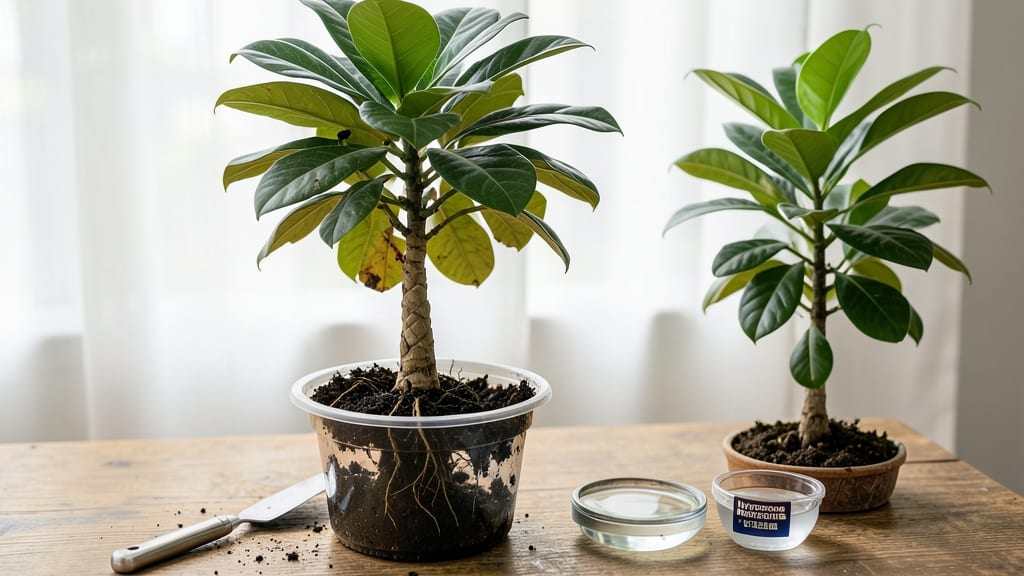
Your overwatered money tree root rot doesn’t mean it’s a lost cause—this is the rescue plan. 🌱 I’ve nursed back more root-rot victims than I’d like to admit, and the key is acting fast before the fungus spreads.
The first sign? Yellowing leaves and that unmistakable sour smell when you lift the pot.
Root rot starts when soggy soil cuts off oxygen, and those white, mushy roots are your plant’s SOS signal. The good news? You can trim the damage, refresh the soil, and reset watering habits in just 3 simple steps.
No fancy tools—just scissors, fresh potting mix, and a little patience.
By the end of this process, you’ll have a Money Tree with firm, healthy roots that bounce back stronger. The leaves will perk up within days, and with adjusted care, your plant will grow faster than ever—no more guesswork about watering.
Works for any Money Tree, whether it’s a new plant or a neglected veteran. Let’s get those roots breathing again—your plant’s survival depends on it.
Root Rot’s Hidden Triggers
Root rot in your money tree (Pachira aquatica) doesn’t strike out of nowhere—it’s usually the result of a few sneaky but preventable factors. Understanding these causes is the first step to saving your plant. Let’s break down the science behind why roots drown in overwatered soil.
Money trees thrive in well-draining soil, but when you water them too frequently—or let them sit in soggy conditions—the roots suffocate. Here’s why:
- Oxygen Deprivation: Roots need oxygen to respire (yes, they "breathe"!). When soil stays waterlogged, oxygen gets displaced by water, starving the roots. Without oxygen, cells can’t produce energy, leading to anaerobic conditions—a toxic environment for roots.
- Pore Space Collapse: Sandy or loamy soils have air pockets that allow excess water to drain. But if you water before the top 1–2 inches of soil dry out, these pores fill with water, cutting off airflow. Pro tip: Stick your finger in the soil—if it’s damp at 1 inch deep, wait 1–2 more days.
- Fungal Feast: Stagnant water creates the perfect breeding ground for Phytophthora and Pythium fungi, which invade root tissues. These pathogens thrive in moisture above 60% soil saturation.
Even if you’re watering "correctly," a container without drainage holes traps excess moisture like a sponge. Here’s the breakdown:
| Problem | Why It Matters |
|---|---|
| No drainage holes | Water pools at the bottom, submerging roots in a hydroponic-like (but deadly) environment. Roots can’t escape the waterlogged zone, leading to anaerobic decay. |
| Compacted or heavy soil | Clay or dense potting mixes slow water evaporation and prevent roots from spreading. This forces roots to grow in a restricted, water-clogged area. |
| Overpotting without fresh soil | Old soil breaks down, losing its structure and drainage over time. Repotting with fresh, chunky mix (like cactus/succulent blend + perlite) revives airflow. |
💡 Fix it: If your pot lacks holes, elevate it on a cascade tray or repot into a container with drainage. Add orchid bark or perlite (20–30%) to lighten heavy soil.
Your money tree’s roots are sensitive to extreme environments. When humidity or temps swing wildly, the soil’s moisture dynamics go haywire:
- Cold Roots: Below 60°F (15°C), root metabolism slows. Combined with overwatering, this creates a perfect storm for rot. Cold soil holds moisture longer, delaying evaporation.
- High Humidity: If your home’s humidity stays above 70%, the soil stays damp for days. Roots can’t dry out between waterings, mimicking a tropical rainforest—but without the sunlight to balance it.
- Drafty Spots: Near AC vents or windows, soil can dry unevenly. While the top layer may look dry, the roots below stay soggy. ✨ Solution: Move your plant to a spot with consistent 65–75°F (18–24°C) and 40–50% humidity.
A crowded root system can’t absorb water efficiently, leading to localized waterlogging. Here’s how it happens:
- Circular Root Growth: Roots grow in tight circles when pot-bound, creating a root ball that traps moisture. This restricts water flow, so even light waterings can drown sections.
- Reduced Oxygen Flow: Dense roots compete for oxygen, increasing the risk of anaerobic pockets where rot bacteria thrive.
🔥 Quick test: Gently squeeze the root ball. If roots are circling tightly or growing out of drainage holes, it’s time to repot into a 1–2 inch larger container with fresh soil.
Revive Your Money Tree in 3 Steps
Now that you know the signs and causes of overwatered money tree root rot, it’s time to take action! The good news?
With the right steps, you can nurse your plant back to health—even if the roots look like they’ve been through a mudslide. 🌱💦 Let’s tackle this problem head-on with a clear, step-by-step plan.
First things first—halt the watering immediately. Overwatering is the root (pun intended) cause of root rot, so cutting off the moisture is critical to prevent further damage.
- Let the soil dry out – If the top 1–2 inches of soil are damp, resist the urge to water. Place your plant in a spot with bright, indirect light (no direct sun yet—it’ll stress the plant further).
- Inspect the roots – Gently remove the plant from its pot and examine the roots. Healthy roots are firm and white or light tan. Rotten roots will be: - Dark brown or black - Mushy or slimy to the touch - Smelling foul (like a swamp or decay)
| Healthy Root | Rotten Root |
|---|---|
| ✅ Firm, white/tan | ❌ Soft, dark, mushy |
Pro Tip: 💡 If more than 30% of the roots are rotten, your plant may not recover—but don’t give up yet! Some money trees are resilient.
Once you’ve identified the bad roots, it’s time for a root makeover.
- Trim the rotten roots – Use sterilized scissors or pruning shears (wipe them with rubbing alcohol first!).
Cut away only the mushy, blackened sections, leaving the healthy white roots intact. - How much to cut? Aim to remove all the bad parts but keep as much healthy root as possible.
- Rinse the roots (optional but helpful) – If your soil is super gritty or salty, give the roots a gentle rinse in lukewarm water to remove debris. Let them air-dry for 10–15 minutes before repotting.
- Choose the right pot and soil – - Pot: Pick a clean container with drainage holes (if it doesn’t have them, drill some!).
The pot should be only slightly larger than the root ball—too much space = more moisture retention = more rot risk. - Soil: Ditch the old, soggy mix.
Use a well-draining potting mix designed for dracaenas (money trees) or create your own blend: - 50% peat-free potting soil - 30% perlite or pumice (for aeration) - 20% orchid bark or coconut coir (for chunkiness)
Pro Tip: 🌡️ If your home is humid or cool, add extra perlite (up to 40%) to improve drainage.
Now that your money tree is back in a fresh pot, it’s time to change your watering habits to keep rot at bay.
- Water only when the top 2–3 inches of soil are dry – Stick your finger in the soil. If it’s damp, wait.
If it’s bone-dry, it’s time to water—but don’t drown it. - How to water properly: - Water slowly until it drains from the bottom. - Empty the saucer 10 minutes later—never let the plant sit in standing water.
- Improve drainage – - If your pot lacks holes, never water from the top. Instead, bottom-water by placing the pot in a tray of water for 10–15 minutes, then let it drain. - Elevate the pot on feet or pebbles to encourage airflow.
- Light and humidity tweaks – - Light: Bright, indirect light (east or north-facing windows are ideal). Avoid harsh afternoon sun. - Humidity: Money trees like moderate humidity (40–50%).
If your air is dry (like in winter), use a humidifier or place the pot on a pebble tray with water.
Pro Tip: ✨ Mist lightly 1–2 times a week (but avoid wetting the leaves if humidity is already high).
- Fertilizer break: Wait 4–6 weeks before fertilizing—rotten roots can’t handle nutrients yet. - Rooting hormone (optional): If your money tree has very few healthy roots, dip the remaining roots in rooting hormone gel before repotting for a boost. - Patience is key: Recovery can take 4–8 weeks.
Keep an eye on new growth—yellow leaves may drop, but new green leaves mean it’s healing!
- ✅ Use the "finger test" before watering—if the soil feels damp, skip it.
- ✅ Avoid glass containers—they trap moisture and encourage rot.
- ✅ Rotate your plant every few weeks for even light exposure (prevents weak, waterlogged spots).
- ✅ Clean your pot before repotting—old soil can harbor fungus.
Your money tree can bounce back—but only if you act fast and adjust its care. Follow these steps, and you’ll have a thriving, rot-free plant in no time! 🌟💚
Frequently asked questions
How do I know if my money tree has root rot?
Check for these telltale signs: dark brown or black, mushy roots that smell foul (like a swamp). Above ground, you’ll see yellowing leaves that start at the bottom, wilting even when the soil feels dry. If the pot feels unusually heavy due to waterlogged soil, that’s another red flag. Gently remove the plant to inspect—healthy roots should be firm and white.
Can I save a money tree with 50% rotten roots?
It depends! If over 50% of roots are healthy, your plant has a good chance with proper care. Trim all mushy roots, repot in fresh, well-draining mix, and adjust watering habits. If most roots are rotten, recovery is unlikely—but you can try propagating healthy stem cuttings to grow new plants. Patience is key—new growth may take 4–8 weeks.
What’s the best soil mix to prevent future rot?
Use a chunky, airy blend like 50% peat-free potting soil, 30% perlite/pumice, and 20% orchid bark. This prevents compaction and improves drainage. For extra insurance, add 10% activated charcoal to deter fungi. Avoid heavy garden soil—it holds too much moisture. Pro tip: Test your mix by squeezing it—it should crumble easily, not stay clumped.
How often should I water a money tree after root rot treatment?
Wait until the top 2–3 inches of soil are completely dry—this could be every 7–10 days in summer or every 2–3 weeks in winter. Use the finger test: stick your finger in the soil. If it’s damp, wait. Water thoroughly until it drains from the bottom, then empty the saucer. Overwatering is the #1 cause of recurrence!
Will my money tree grow new roots after treatment?
Yes! Healthy roots will regrow from the remaining white root tips within 4–6 weeks. You’ll notice new green leaves emerging as the plant recovers. To encourage growth, keep it in bright, indirect light and avoid fertilizing for 4–6 weeks. If no new roots form after 8 weeks, the plant may not survive—but try propagating stems in water or soil.