
Neem Oil
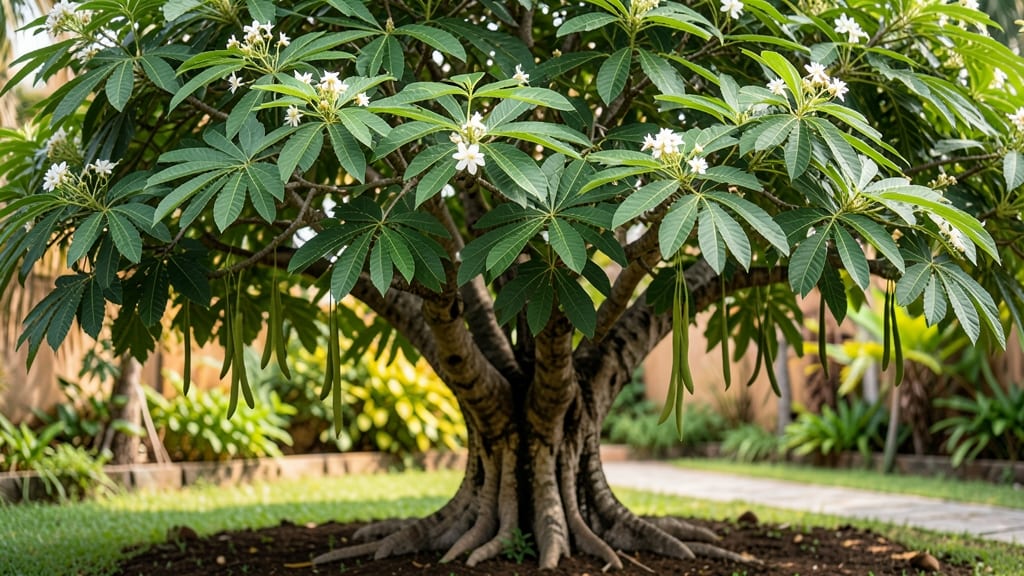
Growing a neem tree in Arizona isn’t just possible—it’s a desert gardener’s secret weapon. 🌵 This hardy tree thrives in the heat, fights pests naturally, and even improves soil over time, making it perfect for our 110°F+ summers.
My first neem tree survived its first Phoenix summer with zero extra water after the initial planting, proving it’s built for our climate.
The key lies in mimicking its natural habitat: well-draining soil with a touch of grit (think 60% native soil, 30% sand, 10% compost) and full sun exposure. Unlike many trees, neem roots spread wide but shallow, so avoid heavy clay or waterlogged spots.
Planting in late winter gives roots time to establish before the brutal heat arrives.
What you’ll love most is how low-maintenance it becomes—once established, it handles drought like a champ and rarely needs pruning beyond shaping.
The real magic happens when pests like aphids or whiteflies appear: just crush a few leaves in water for a natural spray that works better than anything you’ll find at the store.
Container growing works too—just use a 20+ gallon pot with drainage holes and keep it in full sun. The only challenge? Watch for cottony cushion scale in extreme heat, but a simple neem oil spray keeps them at bay. Ready to add this desert warrior to your yard?
📚 In This Guide
- What you need
- Instructions
- Tips and common mistakes
- Wrapping up and next steps
What you need
- ○ Ready to grow a thriving neem tree in Arizona’s desert climate? Here’s everything you’ll need to get started—from essential supplies to optional upgrades for a healthier, happier tree! 🌵🌱
- ● Pro Tip: 🌡️ If planting in Phoenix or Tucson, avoid transplanting during peak summer heat (June-August)—opt for spring (March-April) or fall (September-October) for best survival rates!
How to grow a thriving neem tree in Arizona’s desert climate
Here's how I've adapted this hardy tree to our dry heat—with pruning tricks and soil hacks that make all the difference.
🪴 Step 1: Select the Right Location and Soil Mix
Neem trees love full sun—at least 6-8 hours daily—but in Arizona, afternoon shade helps prevent leaf scorch. I plant mine where it gets morning sun and afternoon dappled shade from a nearby wall. The soil needs excellent drainage since neem roots hate soggy feet.
Amend native desert soil with equal parts compost and coarse sand to create a loose, airy mix. I dig a hole twice as wide as the root ball but only as deep—planting too deep suffocates the roots. A 2-inch layer of gravel at the bottom stops water pooling. Real talk: Skipping this step leads to root rot within months.
☀️ Step 2: Water Deeply but Infrequently
Newly planted neem trees need deep watering twice weekly for the first month, then taper to once every 10-14 days once established. You'll know it's time when the top 6 inches of soil feel dry—stick your finger in to check. Overwatering is the #1 killer in our climate.
I use drip irrigation set to run for 20-30 minutes per session. This mimics natural desert rains and encourages deep root growth. Mulch with 3-4 inches of wood chips around the base to lock in moisture and keep roots cool. Just keep mulch 6 inches away from the trunk to prevent rot.
✂️ Step 3: Prune for Desert Survival
Prune in late winter or early spring before new growth starts. Remove dead, crossing, or inward-growing branches first—these compete for sunlight and water. I cut back any branches that look dry or brittle (a sign of sun damage). Use sterilized pruners to avoid spreading disease.
Shape the tree lightly to open the center for airflow. Neem trees grow fast, so I prune again in mid-summer to control size and remove any leaf scorch damage from intense Arizona sun. Never prune more than 25% of the canopy at once—this stresses the tree.
🌿 Step 4: Fertilize Strategically
Neem trees don’t need much fertilizer, but a light feeding in early spring with balanced 10-10-10 helps kickstart growth. I sprinkle ½ cup around the drip line and water it in. Too much nitrogen burns roots in our heat—half-strength is better than overdoing it.
In fall, switch to a low-phosphorus fertilizer (like 5-5-5) to encourage root hardening before winter. I also add 1 cup of compost to the soil surface each season. The key is less is more—neem trees thrive on neglect once established.
⏰ Step 5: Protect from Arizona’s Harsh Elements
Young trees need wind protection—our desert breezes dry them out fast. I wrap the trunk with burlap during the first year to shield it from afternoon winds. Mature trees handle wind better but still benefit from regular pruning to reduce sail area.
Watch for aphids or scale insects—common in our dry heat. I spray with neem oil solution (1 tbsp per gallon of water) every 2-3 weeks during growing season. This doubles as a preventive measure. If leaves yellow, it’s usually iron deficiency—add chelated iron to the soil and water deeply.
Tips & tricks for growing neem trees in Arizona’s desert
These practical strategies will help your neem tree thrive in our harsh climate—saving you time and frustration along the way.
Soil Drainage Secret: The 2-inch gravel layer at the bottom of the planting hole isn't just about stopping water pooling—it also creates a natural air pocket that prevents root suffocation. I've seen neem trees planted without this layer develop root rot within weeks in our heavy clay soils. If your native soil is particularly dense, mix in equal parts compost and coarse sand throughout the hole, not just at the bottom. This creates a uniform, well-aerated growing medium from top to bottom.
Watering Wisdom: Those first 20-30 minutes of drip irrigation might seem like overkill, but it's the only way to ensure water penetrates deeply enough to reach the tree's expanding root system. I use a moisture meter to check—if it reads dry below 6 inches after watering, run the drip line another 5 minutes. The key is mimicking Arizona's natural monsoon rains: short but intense bursts that soak deep rather than frequent light waterings that only wet the surface.
Pruning Precision: When shaping your neem tree in Step 3, focus on creating an open center that allows sunlight to reach all branches. I make my cuts at a 45-degree angle just above an outward-facing bud to encourage healthy regrowth. For the mid-summer pruning, I wait until after the worst heat waves pass—usually around early July in Phoenix. This gives the tree time to recover before winter sets in. Never remove more than 25% of the canopy at once, or you'll shock the tree into dormancy.
Fertilizer Timing: The early spring feeding with 10-10-10 is crucial, but don't rush it—wait until you see new growth appear (usually late February to early March). I always mix the fertilizer with a handful of compost to buffer the nitrogen. For the fall feeding, I switch to 5-5-5 because our cooler temperatures mean the tree needs phosphorus for root development more than nitrogen for foliage. The compost addition in fall helps lock in moisture for winter.
Pro Tips for Neem Tree Arizona
- These practical strategies will help your neem tree thrive in our harsh climate—saving you time and frustration along the way.
- Soil Drainage Secret: The 2-inch gravel layer at the bottom of the planting hole isn't just about stopping water pooling—it also creates a natural air pocket that prevents root suffocation.
- Watering Wisdom: Those first 20-30 minutes of drip irrigation might seem like overkill, but it's the only way to ensure water penetrates deeply enough to reach the tree's expanding root system.
Frequently asked questions
Can a neem tree survive Arizona’s extreme heat and drought?
Arizona’s desert heat and dry conditions are actually ideal for neem trees! They’re drought-tolerant once established (after 1–2 years) and thrive in full sun. Just ensure well-draining soil and minimal watering (1–2 times/week in summer) to avoid root rot. Pro tip: Mimic their native habitat by planting in sandy or rocky soil.
How long does it take for a neem tree to grow in Arizona?
Neem trees grow slow to moderate in Arizona’s climate. Expect:
- 1–2 years to establish roots deeply.
- 3–5 years to reach maturity (10–15 ft tall).
- 5+ years for full seed/leaf production (if pollinated).
What’s the best time to plant a neem tree in Arizona?
Plant in late fall or early spring (November–March) to avoid scorching summer heat. Avoid planting in peak summer (June–August) unless you’re using shade cloth. Young trees need time to acclimate, so water deeply every 5–7 days until roots establish.
Are there alternatives to neem trees for Arizona’s climate?
Yes! If neem’s slow growth or seed mess isn’t your style, try these Arizona-friendly alternatives:
- Desert Willow (Chilopsis linearis): Fast-growing, drought-tolerant, and blooms beautifully.
- Texas Ebony (Ebenopsis ebano): Thorny but hardy, great for privacy.
- Mexican Poppy (Kallstroemia grandiflora): Low-water, bright flowers, and pest-resistant.
- Palo Verde (Parkinsonia spp.): Native, fast-growing, and supports wildlife.
Why are my neem tree’s leaves yellowing or dropping in Arizona?
Yellowing/dropping leaves often signal:
- Overwatering: Neem trees hate soggy roots. Let soil dry between waterings.
- Nutrient deficiency: Amend soil with compost or a balanced fertilizer (10-10-10) in spring.
- Heat stress: Provide afternoon shade for young trees until established.
- Pests (rare but possible): Check for spider mites or aphids—neem oil spray can help!
Wrapping up and next steps
Growing a neem tree in Arizona is not only possible—it’s a rewarding way to harness nature’s power right in your desert backyard! 🌵 With the right soil prep, pruning techniques, and a little patience, you’ll soon enjoy its lush foliage, medicinal benefits, and even organic pest control.
Plus, you’ll be contributing to a sustainable ecosystem that thrives in the harshest climates.
Ready to take the next step? Start by planting your neem tree this season and observe how it adapts to your desert landscape. Share your progress with fellow gardeners or explore DIY neem oil recipes—your green thumb journey is just beginning! 🌱✨