
Pruning
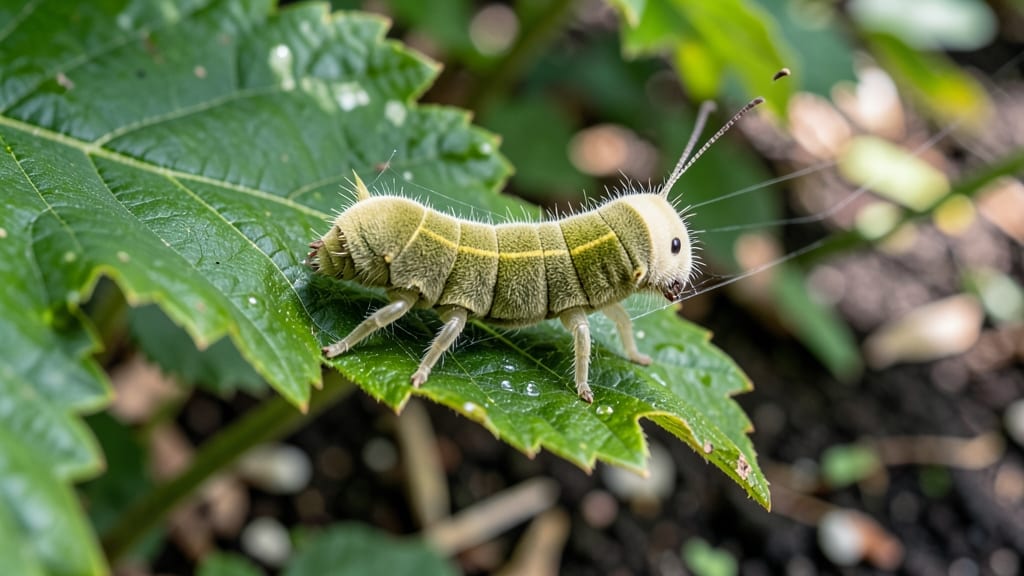
Mulberry tree insects can turn your lush foliage into a skeleton in weeks—especially the sneaky mulberry pyralid and stubborn scale insects. 🌿 I’ve battled these pests in my own yard, and the key is acting fast before they strip every leaf.
These critters don’t just weaken your tree; they spread fast, making organic control your best bet to save next year’s harvest.
The damage tells the story: chewed leaves, sticky sap, or fine webbing mean it’s time to intervene. Mulberry pyralids roll leaves into nests, while scale insects smother branches with waxy bumps.
The good news? Natural predators like ladybugs and lacewings can handle small outbreaks—but when infestations hit, you’ll need targeted sprays or pruning to break their cycle.
By combining neem oil sprays, beneficial insect releases, and strategic pruning, you’ll reclaim your tree’s health in just a few weeks. The leaves will unfurl vibrant again, and your tree will bounce back stronger than before. This method works for both young saplings and mature trees, no matter the season.
Prevention is the real game-changer: plant companion flowers like alyssum to attract predators, and prune out damaged branches before pests spread. Once you master these steps, your mulberry will thrive year after year—without the panic of sudden defoliation.
Root Causes Of Mulberry Tree Pests
Understanding why insects target mulberry trees starts with recognizing their natural behaviors and environmental triggers. Mulberry trees (Morus spp.) are particularly vulnerable due to their lush foliage and sweet sap—both of which attract a variety of pests.
Below are the key reasons these critters invade your tree, broken down into actionable insights.
Mulberry trees produce tender, nutrient-rich leaves that act like an all-you-can-eat buffet for insects.
When leaves are young and soft, they’re especially appealing to: - Mulberry silkworm moths (Dichocrocis punctiferalis), which lay eggs on fresh growth. - Japanese beetles (Popillia japonica), drawn to the tree’s high nitrogen content. - Aphids (Aphis gossypii), which thrive on sap and excrete sticky honeydew.
Why it happens: Mulberry trees grow rapidly in spring and summer, producing a constant supply of new leaves. Insects time their life cycles to coincide with this peak growth, ensuring their larvae have an abundant food source. Overwatering or excessive fertilization can also make leaves even more palatable by increasing their sugar content.
Mulberry trees flourish in warm, humid conditions—ideal for many insect species.
When temperatures rise: - Eggs hatch faster, leading to multiple generations per season. - Adult insects become more active, increasing mating and feeding rates. - Fungal diseases (like powdery mildew) weaken trees, making them easier targets for pests.
Why it happens: In regions with mild winters (Zones 5–10), pests like the mulberry pyralid moth (Euzophera bigella) can complete 2–3 generations annually. Heat also reduces natural predator populations (like ladybugs or parasitic wasps), giving insects free rein.
Stressed mulberry trees—whether from drought, root damage, or disease—emit chemical signals that attract pests. Common stressors include:
- Root rot (from overwatering or compacted soil).
- Bacterial or fungal infections (e.g., anthracnose).
- Physical damage (e.g., from hail or improper pruning).
Why it happens: Weak trees produce less defensive compounds (like tannins or resins), making them easier prey. Insects like the mulberry leaf roller (Archips rosana) target stressed branches first, tunneling into leaves to feed and shelter.
While mulberry trees have some built-in defenses (e.g., trichomes on leaves), they rely on beneficial insects to keep pest populations in check. When these helpers are missing:
- Ladybugs (eat aphids).
- Parasitic wasps (lay eggs in caterpillar larvae).
- Birds (feed on beetle grubs).
Why it happens: Urban landscapes often lack biodiversity, reducing natural predator habitats. Pesticide use (even broad-spectrum sprays) can also wipe out helpful insects faster than pests, creating a pest explosion.
Mulberry trees planted too closely together create microclimates that trap heat and humidity—perfect for insect breeding. Overgrown branches also:
- Block airflow, increasing leaf moisture (aphids love this).
- Create shaded, damp areas where fungal pests thrive.
- Limit sunlight, weakening the tree’s immune response.
Why it happens: Insects like mulberry scale (Pulvinaria vitis) spread rapidly in dense plantings because they hitch rides on wind-blown debris or crawling nymphs. Proper spacing (15–20 feet apart) reduces these risks.
Rising temperatures and erratic weather patterns are pushing insect ranges northward. For mulberry trees, this means:
- Longer growing seasons = more time for pests to feed.
- Milder winters = fewer insect die-offs.
- Heavy rains = ideal conditions for soft-bodied pests (e.g., mealybugs).
Why it happens: Species like the mulberry longhorn beetle (Anoplophora glabripennis*) are expanding into new areas as winters become shorter. Without traditional cold snaps to cull populations, infestations persist year-round in some regions.
Key Takeaway: Mulberry tree pests aren’t random—they’re drawn by food, warmth, stress, and habitat. Addressing these root causes (through pruning, water management, and biodiversity) is the first step in natural pest control. 🌿✨
Practical fixes for mulberry tree pests
Now that you understand the common culprits behind mulberry tree leaf damage, it’s time to roll up your sleeves and tackle the problem! The good news? Many solutions are natural, budget-friendly, and effective—no harsh chemicals required.
Below, we’ve mapped out targeted fixes based on the most likely pests, along with preventive tips to keep your tree thriving long-term.
Signs: Ragged, skeletonized leaves; green or brown caterpillars hiding on the undersides. How to Fix It:
1. 🔥 Handpick & Destroy (Best for Small Infestations)
- When: Early morning or evening (pests are sluggish).
- How:
- Wear gloves and inspect leaves for caterpillars.
- Drop them into a bucket of soapy water (1 tbsp dish soap per gallon) to kill them instantly.
- For large trees, use a drop cloth to shake them onto the ground, then dispose of them far from the tree.
2. 🍳 Neem Oil Spray (Organic & Effective)
- Why: Disrupts caterpillar feeding and growth hormones.
- How to Mix:
- 1 tbsp neem oil + 1 tsp mild soap (as an emulsifier) + 1 quart water.
- Spray undersides of leaves thoroughly, focusing on new growth.
- Reapply every 5–7 days until pests disappear.
3. 👨🍳 Bacillus Thuringiensis (BT) (Safe for Beneficial Insects)
- Why: A natural bacteria that targets caterpillars but harms no other insects.
- How:
- Mix 1 tsp BT powder with 1 quart water.
- Spray evenly on leaves, especially where larvae hide.
- Best applied at dusk to avoid harming bees.
4. 🥘 Physical Barriers (Preventative)
- For young trees: Wrap the trunk with floating row covers (lightweight fabric) to block moths from laying eggs.
- Pro Tip: 💡 Shake trees gently 2–3 times a week to dislodge eggs before they hatch.
Signs: Chewed leaves with saw-toothed edges; white or brown larvae in rolled leaves. How to Fix It:
1. 🔪 Prune & Remove Damaged Leaves
- When: Late winter or early spring (before moths emerge).
- How:
- Cut off heavily infested branches and rolled leaves (where larvae hide).
- Burn or bag them (do not compost) to prevent reinfestation.
2. 🌡️ Encourage Natural Predators
- Who helps? Birds, parasitic wasps, and ladybugs love eating pyralid larvae.
- How to Attract Them:
- Plant native flowering shrubs (like dill or fennel) near your mulberry tree.
- Install a birdhouse or bat box to boost predator populations.
3. 🎯 Kaolin Clay Spray (Confuses Pests)
- Why: Creates a physical barrier that pests avoid.
- How to Use:
- Mix 2 lbs kaolin clay with 5 gallons water + 1 tsp soap.
- Spray evenly on leaves (avoid flowering plants if bees are active).
- Reapply after rain or every 2 weeks.
Signs: Sticky residue ("honeydew"), curled leaves, or tiny white/brown bumps on branches. How to Fix It:
1. 🚰 Strong Water Spray (Mechanical Control)
- Why: Aphids hate water pressure—it knocks them off leaves.
- How:
- Use a hose with a nozzle to blast infested areas for 10–15 seconds.
- Best in early morning so leaves dry quickly (prevents fungal growth).
2. 🧼 Soap Spray (Quick & Easy)
- Recipe:
- 1 tbsp castile soap + 1 quart water.
- Spray directly on pests (avoid overspraying flowers).
- Reapply every 3–4 days until gone.
3. 🐝 Introduce Ladybugs (Biological Control)
- Why: Ladybugs devour aphids—order them online or attract them naturally.
- How to Attract:
- Plant aphid-friendly herbs (like yarrow or marigolds).
- Avoid pesticides (even organic ones) to keep ladybugs around.
4. 🔥 Horticultural Oil (For Scale Insects)
- Why: Smothers scale insects and their eggs.
- How to Use:
- Apply dormant oil in late winter/early spring (before buds swell).
- Reapply every 2 weeks until infestation clears.
Once you’ve tackled the current infestation, stop future problems with these long-term strategies:
| Tip | How to Do It | Best Time |
|---|---|---|
| 🌱 Healthy Soil = Strong Trees | Test soil pH (ideal: 6.0–7.0) and amend with compost. | Fall or spring |
| 🌿 Prune for Airflow | Remove dead/diseased branches to reduce hiding spots. | Late winter |
| 🕊️ Install Birdhouses | Attract pest-eating birds like chickadees or wrens. | Early spring |
| 🌿 Companion Planting | Grow garlic, chives, or mint near the tree (repels many pests). | Spring planting |
| 🌧️ Rain Barrel Setup | Collect rainwater for DIY pest sprays (cheaper & eco-friendly). | Year-round |
Final Reminder: 🌟 Consistency is key! Check your mulberry tree weekly during growing season, and act at the first sign of trouble. Most pests can be eliminated without chemicals—just stay vigilant and use these natural, effective methods. Your tree (and your sanity) will thank you!
Frequently asked questions
What are the most destructive insects attacking mulberry trees?
The worst offenders include mulberry pyralid moths (caterpillars that roll leaves), scale insects (waxy bumps on branches), and Japanese beetles (chewing saw-toothed edges). These pests strip leaves quickly, so early action is critical—especially during peak growing seasons when trees are most vulnerable.
How do I tell if my mulberry tree has a serious infestation?
Look for 50%+ leaf damage, sticky honeydew (aphid sign), or visible larvae/nests. If you see chewed leaves, curled foliage, or webbing, it’s time to intervene. Check undersides of leaves at dawn when pests are sluggish—this is when you’ll spot them most easily.
Can I use store-bought pesticides safely on mulberry trees?
Chemical pesticides work but risk harming beneficial insects like ladybugs and parasitic wasps. For organic control, try neem oil or horticultural oil first. If you must use chemicals, opt for targeted sprays (like pyrethrin) and apply in early evening to protect pollinators.
Will pruning help control mulberry tree pests?
Prune in late winter to remove infested branches and improve airflow. Focus on deadwood and dense growth—these hide pests. Dispose of clippings in sealed bags (not compost) to prevent reinfestation. Thin canopies also let sunlight reach lower leaves, making them less appealing to insects.
How often should I check my mulberry tree for pests?
Inspect weekly during spring/summer and monthly in fall/winter. Use a hand lens to spot early signs like egg clusters or tiny larvae. Early detection lets you act before pests spread—most infestations start small and grow rapidly if ignored.