
Pruning
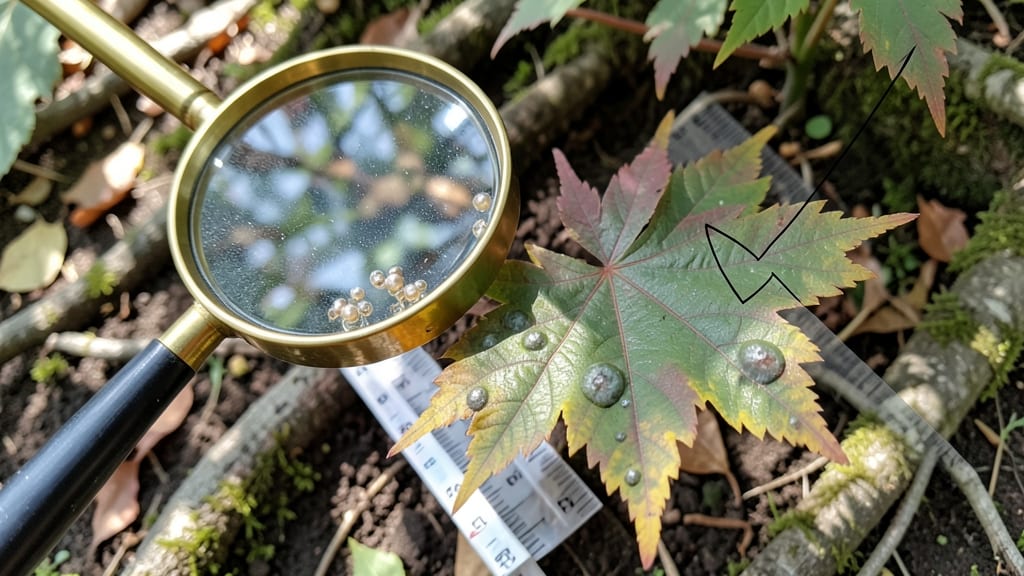
Your maple tree’s leaf bumps aren’t just unsightly—they’re a cry for help. 🌿 Whether it’s aphids, mites, fungal spots, or even environmental stress, those little bumps mean your tree is fighting something.
The good news? Pruning the right way can turn things around and restore smooth, vibrant foliage before fall colors arrive.
Most bumps start small—tiny raised spots that turn yellow, brown, or even ooze sap if you ignore them. I’ve seen aphids cluster like cotton on undersides, mites webbing between leaves, and anthracnose turning edges crispy.
The key? Catch it early. Prune affected branches 6-12 inches below the bumps, sterilize your tools with rubbing alcohol, and bag the clippings to stop the spread.
Once you’ve cut out the worst, focus on prevention: water at the base (not overhead), mulch to keep roots cool, and spray neem oil or insecticidal soap for pests. A healthy tree fights off bumps better—so feed it with compost in spring and avoid compacted soil around the trunk.
This works for both sugar and red maples, whether you’re dealing with a single branch or the whole canopy. The sooner you act, the sooner your tree will bounce back with smooth, glossy leaves that make your yard the envy of the neighborhood. Let’s get those branches looking sharp again.
Leaf Bumps Explained
Understanding why your maple tree leaves develop bumps is the first step to restoring their smooth, vibrant appearance. These irregularities often stem from environmental stress, pest activity, or disease—each leaving distinct clues.
Below, we break down the three primary causes behind those pesky bumps, along with the science behind them and what you can do to address them.
Maple trees are hardy, but extreme or sudden temperature shifts—especially late spring frosts or heatwaves—can trigger abnormal cell growth. When leaves form in fluctuating conditions, the meristematic cells (growth cells) may develop unevenly, leading to bumpy textures.
Key Triggers:
- Cold snaps during budding season (April–May) disrupt normal leaf expansion.
- Drought stress causes leaves to thicken as a survival mechanism, creating a rough, bumpy surface.
- High humidity + heat can promote fungal spores (like Taphrina species), which distort leaf surfaces.
Actionable Fix: ✅ Mulch properly (3–4 inches of organic mulch) to stabilize soil temperature. ✅ Water deeply during dry spells (1–1.5 inches per week) to prevent drought stress. ✅ Use shade cloth in early spring if frost warnings are issued.
Certain insects pierce leaves to feed on sap, leaving behind raised bumps, blisters, or gall-like deformities.
The most common culprits on maples include: - Maple Leaf Curl Gall Midge (Dasineura spp.): Causes thickened, curled leaves with warty bumps. - Scale Insects (e.g., Lecanium spp.): Secrete honeydew, leading to sooty mold and distorted growth. - Japanese Beetles: Feed in groups, creating irregular, skeletonized patches with raised edges.
How to Spot Them:
| Pest | Leaf Damage Signs | Other Clues |
|---|---|---|
| Midge Larvae | Yellow-green, curled leaves with bumps | Found in late spring/early summer |
| Scale Insects | Sticky residue (honeydew) + black mold | White cottony masses on stems |
| Japanese Beetles | Jagged, chewed edges + raised feeding scars | Adult beetles visible on foliage |
Actionable Fix: 🔥 Prune and destroy heavily infested leaves (bag and discard). 🍳 Apply horticultural oil (in early spring) to smother eggs/larvae. 👨🍳 Handpick beetles (drop into soapy water) or use neem oil as a deterrent.
Fungi like anthracnose (Elsinoë spp.) or leaf curl (Taphrina spp.) thrive in moist, shaded conditions, causing leaves to develop blister-like bumps, cracks, or scabby lesions. These pathogens often appear after prolonged rain or overhead watering.
Red Flags:
- Yellow-brown spots that darken into bumpy, velvety patches.
- Premature leaf drop (leaves curl and fall early).
- Black, tar-like streaks on stems (sign of Taphrina).
Actionable Fix: 💡 Improve air circulation by thinning dense branches. 🌡️ Water at the base (avoid wetting foliage) and remove fallen leaves (burn or compost them). ✨ Apply copper fungicide (early spring) as a preventive measure.
Pro Tip: 🎯 If bumps appear only on new growth, environmental stress or pests are likely. If old and new leaves are affected, fungal disease may be the culprit. Act fast—early intervention prevents spread!
Quick Fixes for Bumpy Maple Leaves
If your maple tree’s leaves are developing unsightly bumps, don’t panic—most causes have simple, effective solutions. Below, we’ll map the most common triggers to practical fixes, along with tips to keep your tree thriving long-term.
Cause: Dense foliage traps moisture, promoting fungal growth (like anthracnose) that causes leaf bumps. Fix: 🔥 🌳 Step 1: Trim Back Thick Areas Use sharp, sterilized pruning shears to remove 10–20% of the thickest branches. Focus on:
- Crossing branches (rubbing against each other)
- Dead or dying limbs (snapped or brown)
- Suckers at the base (non-productive growth)
👨🍳 🌿 Step 2: Thin Out the Canopy Aim for an "open vase" shape—this improves sunlight penetration and airflow. Prune in late winter or early spring (before buds swell) for best results.
🔪 ⏰ Step 3: Clean Up Debris Rake fallen leaves and pruned branches away from the tree’s base to reduce fungal spores.
💡 Pro Tip: Prune on a dry, sunny day to help wounds dry faster and prevent infection.
Cause: Fungi like Marssonina (tar spot) or Rhytisma (leaf spot) create raised, crusty bumps. Fix: 🌡️ 💧 Step 1: Reduce Moisture
- Water trees at the base (not overhead) to avoid wetting leaves.
- Improve drainage by amending soil with compost or sand if it’s clay-heavy.
🎯 🛡️ Step 2: Apply Fungicide Use a copper-based fungicide (like copper sulfate) or a neem oil spray (1 tsp neem oil + 1 quart water + a drop of dish soap). Spray every 7–10 days during wet seasons.
✨ 🌱 Step 3: Boost Tree Health Fertilize with a balanced, slow-release fertilizer (10-10-10) in early spring to strengthen the tree’s defenses.
💡 Pro Tip: Avoid over-fertilizing with nitrogen—it encourages soft, fungus-prone growth.
Cause: Sap-sucking insects (like aphids or scale) or leaf-mining larvae create blisters or raised trails. Fix: 🔥 🐜 Step 1: Identify the Culprit
- Aphids: Tiny green/black bugs clustered on undersides of leaves.
- Scale: Brown bumps stuck to branches (like barnacles).
- Leaf miners: Serpentine trails inside leaves.
🍳 🚿 Step 2: Blast Off Pests
- Hose them off with a strong stream of water (disrupts their life cycle).
- Spray insecticidal soap (1.5 tbsp soap + 1 quart water) or horticultural oil (1 tbsp oil + 1 quart water).
🔪 🌿 Step 3: Introduce Beneficial Predators Ladybugs, lacewings, and parasitic wasps eat pests naturally. Buy them online or attract them with native plants (like dill or yarrow).
💡 Pro Tip: Check leaves daily during outbreaks—early action prevents severe damage.
Cause: Lack of zinc, magnesium, or iron can cause leaf malformations, including bumps. Fix: 📊 🌱 Step 1: Test Your Soil Use a DIY soil test kit (or send a sample to a local extension office) to check pH and nutrient levels.
💪 🥗 Step 2: Apply Targeted Fertilizers
- Zinc deficiency? Use zinc sulfate (1 tbsp per gallon of water, spray on leaves).
- Magnesium deficiency? Work Epsom salt (1 tbsp per foot of tree height) into the soil in spring.
- Iron deficiency? Use chelated iron (follow package rates).
🍎 🌿 Step 3: Mulch Properly Spread 2–4 inches of organic mulch (wood chips, shredded bark) around the base (but not touching the trunk) to retain moisture and nutrients.
💡 Pro Tip: Over-fertilizing can burn roots—always follow package instructions!
🌟 Prevention Checklist for Smooth Leaves ✅ Prune annually to improve airflow. ✅ Monitor for pests weekly during growing season. ✅ Water deeply but infrequently (1–2 inches per week). ✅ Avoid overhead irrigation to prevent fungal spores. ✅ Fertilize in early spring (not fall) for balanced growth.
By tackling the root cause—whether it’s overcrowding, fungi, pests, or poor nutrition—your maple tree’s leaves will bounce back smoother and healthier than ever! 🌿✨
Frequently asked questions about maple tree leaf bumps
Are maple leaf bumps always a sign of disease?
Not necessarily! While fungal infections like anthracnose often cause bumps, environmental stress (like sudden temperature swings) or pest activity (such as aphids or mites) can also create similar symptoms. Always check the leaf undersides for tiny insects or sticky residue before assuming disease.
How do I tell if my maple tree has a fungal infection?
Look for yellow-brown spots that darken into velvety patches, often with black streaks on stems. Fungal bumps usually appear on both old and new leaves, while pest-related bumps often show up first on new growth with visible insects nearby.
Can I prune my maple tree to fix leaf bumps?
Pruning removes infected or infested branches, but do it correctly: cut 6-12 inches below the bumps, sterilize tools with rubbing alcohol, and bag the clippings immediately. Thin the canopy to improve airflow—this helps prevent future fungal issues.
What's the fastest way to get rid of leaf bumps caused by pests?
For immediate relief, blast pests off with a strong water spray, then apply insecticidal soap (1.5 tbsp per quart of water). Repeat every 3-5 days until new growth appears smooth. Introducing ladybugs or lacewings also helps control pests naturally over time.
Will my maple tree recover if I treat the bumps early?
Yes! Early intervention (within 2-4 weeks of noticing bumps) gives your tree the best chance to produce smooth, healthy leaves. Focus on removing the cause—whether it's pests, fungi, or poor growing conditions—and your tree should bounce back completely by next season.