
Pruning
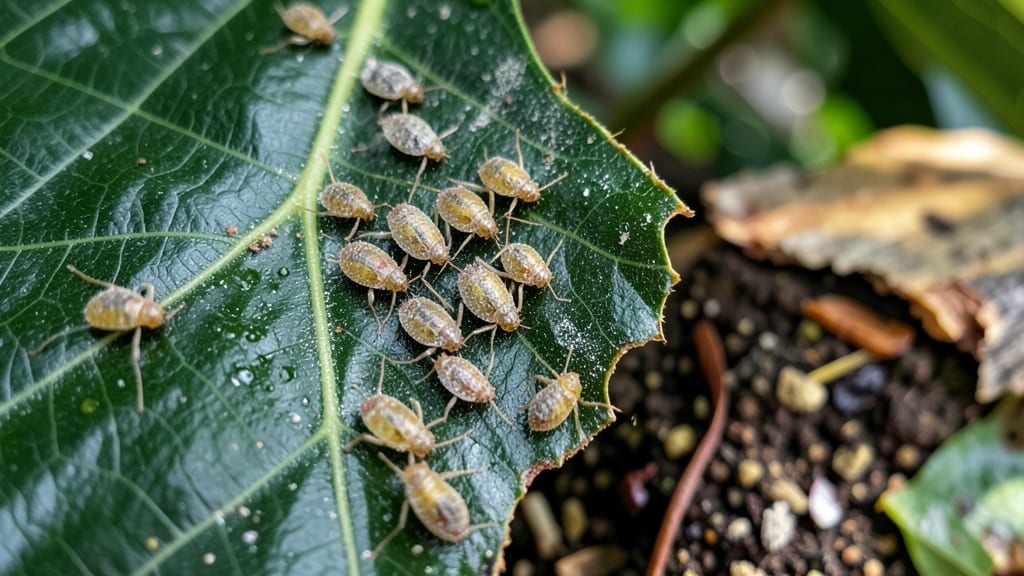
Mango tree insects can turn your lush harvest into a chewed-up mess faster than you can say "tropical fruit." 🌿 I learned that the hard way when my backyard mango tree went from promising to pitiful in just two weeks—tiny holes in the fruit, sticky residue on the leaves, and branches looking like they’d been attacked by a swarm.
The good news? You don’t need harsh chemicals to reclaim your tree. A few targeted sprays and smart prevention can restore those sweet, juicy mangoes in record time—without harming your plants or the pollinators that keep your garden thriving.
Most mango tree pests—like fruit flies, scale insects, and aphids—leave telltale signs: yellowing leaves, sap oozing from stems, or tiny webs clinging to branches. The key to fast relief is acting early and using organic sprays that disrupt their life cycles without poisoning your soil.
Think neem oil for scale, a soapy water mix for aphids, or even introducing ladybugs to mango trees for aphid control. These solutions work quickly because they target the pests’ weaknesses—like their respiratory systems or feeding habits—while being safe for humans and pets once dry.
What you’ll end up with is a tree that looks healthier in days, not weeks. The fruit will firm up, the leaves will regain their glossy sheen, and you’ll start seeing those telltale mango blossoms again—proof the pests are gone for good.
The best part? Once you’ve tackled the infestation, a few simple habits—like pruning damaged branches, spacing trees properly, and encouraging natural predators—keep these bugs from crashing your next harvest.
This method works for home gardeners in USDA zones 10-11, where mango trees thrive, but the principles apply anywhere you’re growing tropical fruit. Whether you’re dealing with a full-blown infestation or just want to prevent one, these sprays and strategies cut through the problem without the guesswork.
Let’s get your tree back to its full, pest-free potential—starting today.
📚 In This Guide
- What you need
- Instructions
- Tips and common mistakes
- Wrapping up and next steps
What you need
- ● Neem oil: 2 tbsp (pure, cold-pressed, organic preferred). Why? It’s a powerhouse insect repellent and growth regulator.
- ● Dish soap (mild, unscented): 1 tbsp. Pro tip: Look for castile soap—it’s gentler on plants!
- ● Water: 1 gallon (3.8 liters). Use rainwater or distilled water if possible to avoid chlorine or minerals.
- ● Spray bottle or garden sprayer: 1-2 quart (0.95-1.9 L) capacity. A handheld pump sprayer works best for even coverage.
- ● Strainer or cheesecloth: 1 piece (to filter out soap residue if needed).
- ● Gloves: 1 pair (nitrile or rubber to protect your skin from neem oil).
- ○ Face mask: 1 (optional, for sensitive skin or large-scale spraying).
- ● Garlic or chili pepper: 2-3 cloves/peppers (blended, for a spicy insect-repelling boost).
- ○ Baking soda: 1 tbsp (optional, for fungal prevention).
- ● Ladder or step stool: 1 (if your tree is taller than 6 feet).
- ● Pruning shears: 1 pair (for trimming heavily infested branches).
Step-by-step instructions for treating mango tree insects naturally
Here’s how to tackle common pests quickly without harsh chemicals.
💧 Step 1: Identify the Pest and Choose Your Spray
First, check your mango tree for common insects like aphids, mealybugs, or fruit flies. Aphids cluster on new growth, mealybugs look like cottony bumps, and fruit flies swarm around ripening fruit. Once you’ve identified the pest, pick a natural spray: neem oil for broad-spectrum control, insecticidal soap for soft-bodied bugs, or a garlic-chili mix for fruit flies.
Neem oil works best when mixed with a drop of dish soap to help it stick. For insecticidal soap, use a mild liquid castile soap (1 tablespoon per quart of water). Garlic-chili sprays require blending 1 chopped garlic bulb, 1 teaspoon chili powder, and 1 quart of water, then straining. Test any spray on a small leaf first to avoid burning the tree.
☀️ Step 2: Apply Spray at the Right Time
Early morning or late afternoon is ideal—spraying in direct sunlight can scorch leaves. Shake the mixture well before applying, then use a handheld sprayer to cover both the tops and undersides of leaves. Focus on new growth, buds, and fruit where pests hide. You’ll see immediate results with neem oil or insecticidal soap within 24-48 hours, but fruit flies may take 3-5 days to fully clear.
Reapply every 5-7 days until the infestation is gone. Consistency is key—missing a treatment window lets pests rebound. If you notice sticky residue (honeydew) on leaves, that’s a sign aphids are still active, so keep spraying until it disappears.
✂️ Step 3: Follow Up with Physical Removal
For stubborn pests, combine sprays with manual removal. Use a damp cloth to wipe off mealybugs or aphid clusters, or prune heavily infested branches and dispose of them in sealed bags. If fruit flies are the issue, hang yellow sticky traps near the tree to catch adults and reduce egg-laying.
Don’t forget to check the soil—some pests like root-knot nematodes thrive underground. If your tree’s leaves yellow or growth stalls, it might need a soil drench of neem oil mixed with water (1 tablespoon per gallon). Water the base thoroughly to reach the roots.
🌱 Step 4: Prevent Future Infestations
Keep your mango tree healthy to deter pests naturally. Mulch around the base with organic material to retain moisture and suppress soil-borne insects. Prune regularly to improve airflow, which reduces humidity and makes the tree less attractive to pests. Also, remove fallen fruit promptly—it’s a breeding ground for fruit flies.
Encourage beneficial insects like ladybugs and lacewings by planting companion flowers like marigolds nearby. These predators eat pests naturally and create a balanced ecosystem. If you see them in your tree, leave them be—they’re your best defense against future outbreaks.
Tips & tricks for fast natural pest control on mango trees
Real talk: The key to fast results with these natural sprays is consistency and attention to detail—here's what nobody tells you.
Timing Secret: Those 24-48 hours for neem oil and insecticidal soap to work are critical—don't rush it! I've seen people reapply too soon and waste their spray. Wait until you actually see pests dying off before adding another round. For fruit flies, the 3-5 days window is when their life cycle gets disrupted, so patience pays off.
Mixing Precision: When making insecticidal soap, the 1 tablespoon per quart ratio is non-negotiable—too much soap can burn leaves. I always mix mine in a separate container rather than directly in the sprayer to avoid clogging. For the garlic-chili mix, straining is essential to prevent clogs in your sprayer nozzle. Test any mixture on a small leaf first; if it turns yellow within 24 hours, you've overdone it.
Targeted Application: The secret to fast results is thorough coverage—pests hide on undersides of leaves and in leaf crevices. I use a handheld sprayer with a fine mist setting and actually shake the tree gently while spraying to dislodge pests. Focus on new growth areas first, as that's where aphids and mealybugs love to set up camp. Don't forget to spray the soil surface lightly—many pests start underground.
Reapplication Strategy: The 5-7 day reapplication window is your best friend, but don't just spray blindly. Check for honeydew residue (that sticky stuff on leaves) as your indicator—if it's still there after a treatment, you need to keep going. I've found that alternating between neem oil and insecticidal soap prevents pests from building resistance, which is crucial for long-term control.
Pro Tips for Mango Tree Insects
- Real talk: The key to fast results with these natural sprays is consistency and attention to detail—here's what nobody tells you.
- Timing Secret: Those 24-48 hours for neem oil and insecticidal soap to work are critical—don't rush it!
- Mixing Precision: When making insecticidal soap, the 1 tablespoon per quart ratio is non-negotiable—too much soap can burn leaves.
Frequently asked questions
Got questions about keeping your mango tree pest-free? Here are some common concerns—and quick answers to help you take action fast!
What are the most common insects that attack mango trees?
The usual troublemakers include fruit flies, aphids, mealybugs, scale insects, and mango hoppers. These pests target leaves, fruits, and sap, causing stunted growth, deformed fruit, or even tree death if untreated. Early identification is key!
When is the best time to spray for mango tree insects?
Spray during early morning or late afternoon when temperatures are mild (avoid midday heat). Focus on spring and summer, when pests are most active. Repeat every 7–14 days until the infestation clears. Pro tip: Always spray undersides of leaves—that’s where pests hide!
Are natural sprays safe for mango fruit?
Yes! Homemade sprays like neem oil, soapy water, or garlic-chili mix are safe for edible fruit if applied 2–3 weeks before harvest. Avoid synthetic pesticides near ripe fruit. Always test a small leaf area first to check for sensitivity.
What should I do if insects keep coming back after spraying?
Persistent pests mean it’s time to rotate treatments. Try alternating neem oil with potassium soap spray or introduce beneficial insects like ladybugs. Also, check for hidden nests in bark crevices or under bark. Pro tip: Prune heavily infested branches to reduce breeding grounds!
Can I prevent mango tree insects without chemicals?
Start with cultural controls:
- Keep the tree well-watered (stress attracts pests).
- Remove fallen fruit/leaves regularly.
- Use mulch to deter crawling insects.
- Install yellow sticky traps for flying pests.
Wrapping up and next steps
Protecting your mango tree from pests doesn’t have to be a battle—just a smart, natural strategy! 🌿 With the right sprays and preventative care, you can keep those pesky insects at bay while nurturing a thriving tree.
Start by monitoring regularly and acting fast at the first sign of trouble.
Ready to take action? Pick one of the homemade sprays from this guide and give your mango tree the TLC it deserves. Your future harvests will thank you! 🍈✨