
Pruning
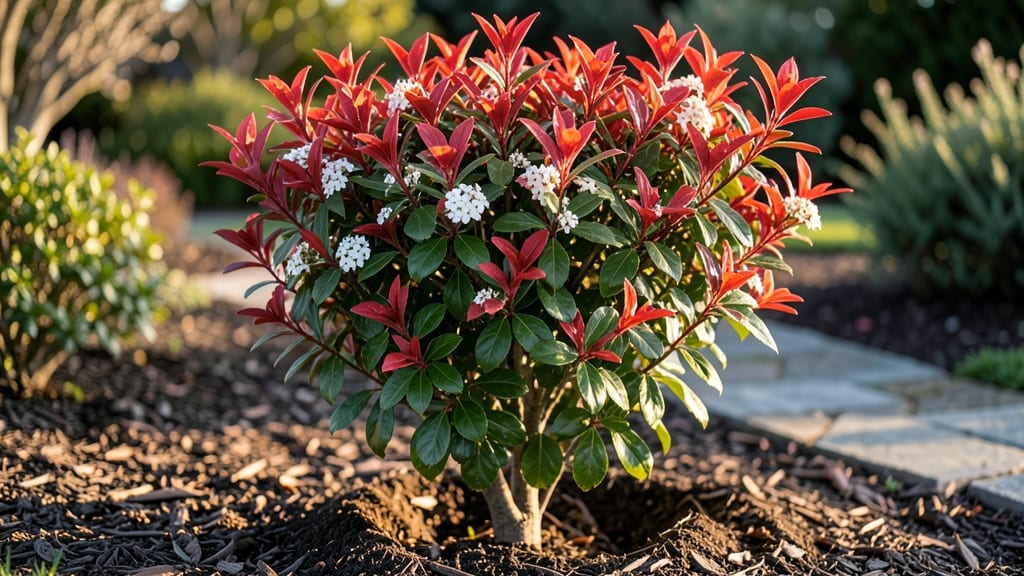
The Red Tip Photinia Tree’s height can soar to 15-20 feet if you let it, but with the right pruning, you can shape it into a manageable, vibrant focal point for your yard.
Picture this: your spring-planted 🌳 shrub shooting up faster than you expected, its glossy red tips now towering over your patio furniture. That’s the classic Red Tip Photinia growth spurt—3-5 feet per year—and without guidance, it’ll dominate your landscape in no time.
Here’s the good news: strategic pruning in spring or early summer can keep it at a 6-12 foot height, perfect for hedges, privacy screens, or even as a standalone statement plant. The key is timing, technique, and knowing how much to trim without stressing the plant.
In this guide, I’ll walk you through 5 simple pruning steps to control its height, plus common mistakes that could stunt growth or leave it looking ragged. Let’s get your Photinia under control—without sacrificing its stunning foliage.

How tall does a Red Tip Photinia grow naturally (and when to prune)
If you're wondering how tall a Red Tip Photinia grows naturally, the answer depends on growing conditions and pruning habits. In ideal settings—full sun and well-draining soil—this shrub can reach 15-20 feet tall within 5-7 years.
However, most gardeners prefer to keep it between 6-12 feet for landscaping purposes, which requires strategic pruning timing and techniques.
The growth rate of a Red Tip Photinia is impressive, with 3-5 feet of vertical growth per year in optimal conditions.
This rapid growth is one reason it's popular for hedges and privacy screens, but it also means height control is essential if you want to maintain a compact shape. Understanding its natural growth patterns helps you plan pruning sessions effectively.
🌱
| Growth Stage | Height Range | Annual Growth | Pruning Window |
|---|---|---|---|
| Year 1 | 2-3 ft | 2-3 ft | Late spring |
| Year 2-3 | 4-6 ft | 3-5 ft/year | Early summer |
| Mature (5+ years) | 15-20 ft | 1-3 ft/year | Spring or early summer |
| Pruned Height (6-12 ft) | 6-12 ft | Controlled growth | Annual pruning |
The best time to prune a Red Tip Photinia for height control is during late spring or early summer, just after the new growth appears. This timing encourages vigorous regrowth and maintains the vibrant red foliage that makes this plant so popular.
Avoid pruning in fall or winter, as this can stress the plant and reduce its cold hardiness.
For gardeners in Zones 7-10, the Red Tip Photinia thrives with minimal winter care, but pruning in late winter (February) can also work if you're preparing for the growing season. Just avoid heavy pruning—stick to light shaping cuts to avoid damaging the plant before it wakes up from dormancy.
If you're aiming for a 6-12 foot height, plan to prune annually in late spring. Use sharp bypass pruners to make clean cuts just above a leaf node or bud.
Never remove more than one-third of the plant's height in a single year, as this can shock the shrub and lead to dieback or weak regrowth.
One common mistake is pruning too late in the season, which can result in soft new growth that won’t harden off before winter. If you live in Zone 7, where winters can be chilly, prune by mid-July to allow enough time for new growth to mature.
In warmer Zones 8-10, you have more flexibility and can prune into early summer.
For a neat, manicured look, consider pruning your Red Tip Photinia twice a year: once in late spring for height control and again in early summer for shaping. This approach keeps the plant dense and bushy while preventing it from becoming leggy.
Always clean your pruning tools with rubbing alcohol between cuts to prevent the spread of bacterial diseases like leaf spot.
🌿
Remember, the Red Tip Photinia is a fast-growing shrub, so regular pruning isn’t just about height control—it’s also about maintaining its health and appearance.
With the right timing and techniques, you can enjoy its stunning red foliage and dense structure while keeping it at your desired height for years to come.
✂️
5 Step-by-step pruning techniques to control Red Tip Photinia height
Controlling your Red Tip Photinia height requires precision—especially if it's already towering at 15 feet. The key is strategic pruning during the right season and using the correct techniques to avoid stressing the plant.
I’ve pruned my own Photinia from a wild 12 feet down to a manageable 8 feet, and the secret lies in gradual adjustments and proper timing.
Never remove more than one-third of the foliage in a single session, or you risk weak regrowth or even dieback. Start by assessing your tree’s structure—look for overcrowded branches or those growing inward, as these are prime candidates for removal.
Gather your tools: sharp bypass pruners for small branches, loppers for thicker stems, and safety gear like gloves and goggles.
- Step 1: Prune in Early Spring – Cut back overgrown branches by 1/3 in March or April, right before new growth begins. This encourages dense, bushy regrowth.
- Step 2: Use the "Third Cut" Rule – Never remove more than one-third of the canopy at once. Spread pruning over 2-3 years for severe reductions.
- Step 3: Target the Top – For height control, focus on the uppermost branches. Cut just above a leaf node or outward-facing bud to promote upward growth.
- Step 4: Thin Out the Interior – Remove 20-30% of inward-growing branches to improve airflow and sunlight penetration. This keeps the center from becoming bare.
- Step 5: Clean Up in Late Summer – Lightly trim new growth in August to shape the tree and prevent leggy branches.
When reducing height drastically—say, from 15 feet to 8 feet—space your cuts over three years. For example, cut back 3 feet in Year 1, 2 feet in Year 2, and 1 foot in Year 3.
This gradual approach prevents shock and allows the tree to recover. Always sterilize your tools with rubbing alcohol between cuts to avoid spreading disease.
After pruning, monitor your Photinia for new growth within 4-6 weeks. If you notice yellowing leaves or sparse regrowth, you may have pruned too aggressively. In that case, reduce future cuts and focus on fertilizing with a balanced 10-10-10 blend to encourage recovery.
For large branches over 1 inch thick, use loppers and make cuts just outside the branch collar. Avoid leaving stubs, as they can invite pests. If your tree is particularly tall, consider using a pole saw for safety and precision.
Always step back and admire your work—your Red Tip Photinia will thank you with lush, vibrant foliage!
Pro tip: Take before-and-after photos to track progress. Over time, you’ll develop an eye for the perfect height while keeping your Photinia healthy and thriving. 🌿✂️🌳