
Companion Plants
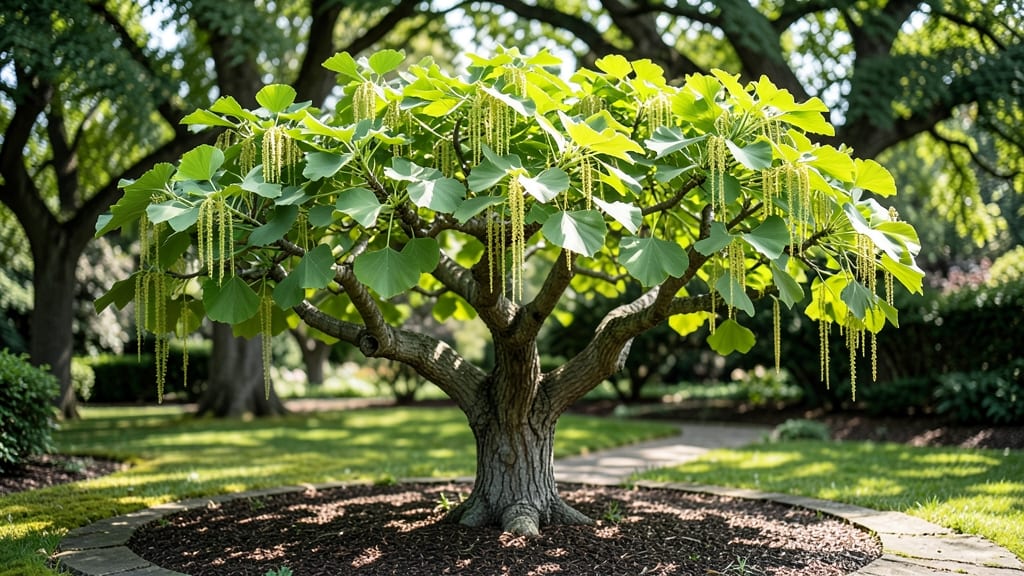
Growing maidenhair trees (Ginkgo biloba) means planting living fossils that thrive where most flowering plants fail. 🌿 Their fan-shaped leaves turn golden in fall, but the real magic happens in spring when tiny, fragrant flowers appear—though they’re often overlooked for the tree’s dramatic foliage.
The secret to their success is patience and the right conditions: full sun, well-draining soil, and space to grow (they can reach 30-50 feet). Unlike many flowering trees, ginkgos tolerate urban pollution, drought, and even salt spray, making them perfect for city landscapes or coastal gardens.
You’ll love how they stay green (or gold) year-round, with minimal pests or diseases. The flowers are subtle but fragrant, and the seeds—though messy—add to the tree’s ancient charm. Just be ready for a long-term commitment; these trees grow slowly but live for centuries.
Whether you’re planting one as a specimen or lining a street, this tree delivers low-maintenance elegance that few flowering plants can match. Here’s how to get started!
📚 In This Guide
- What you need
- Instructions
- Tips and common mistakes
- Wrapping up and next steps
What you need
- ● Maidenhair tree seedling or sapling: 1 male or female plant (or both for pollination if you want fruit)
- ● Age: 1–3 years old (younger plants adapt faster)
- ● Well-draining soil: pH 6.5–7.5 (slightly acidic to neutral)
- ● Mix of loam, sand, and compost (50% soil, 30% compost, 20% perlite/sand)
- ● Sunlight access: Full sun (6+ hours daily) for optimal growth
- ● Watering supplies: Hose or watering can (1–2 gallons per watering for young trees)
- ● Garden tools: Trowel (for planting)
- ● Pruning shears (sterilized, for shaping)
- ● Garden gloves (to protect hands)
- ● Fertilizer: Balanced 10-10-10 or slow-release organic fertilizer (apply in early spring)
- ● Mulch: 2–3 inches of wood chips or shredded bark (to retain moisture)
- ○ Cold protection (optional): Burlap wrap or frost cloth (for young trees in harsh winters)
Step-by-step guide to cultivating maidenhair tree flowering plants
Here's how I grow these stunning cold-hardy beauties—from bare-root planting to winter care.
🌱 Step 1: Select and Prepare the Planting Site
The maidenhair tree (Ginkgo biloba) thrives in well-drained soil with full sun to partial shade—at least 6 hours of sunlight daily. I choose a site with slightly acidic to neutral pH (6.1-7.5) and avoid low spots where water pools after rain. The roots need room to spread, so give young trees 20-30 feet of space for mature growth.
Before planting, I loosen the soil to a depth of 12-18 inches with a garden fork, removing any rocks or debris. Amending the soil with 2-3 inches of compost improves drainage and provides nutrients without overwhelming the tree. Maidenhair trees hate soggy roots, so if your soil is heavy clay, mix in sand or grit to create a looser texture.
🪴 Step 2: Plant Bare-Root or Container-Grown Trees
For bare-root trees, soak the roots in lukewarm water for 1-2 hours before planting to rehydrate them. Dig a hole twice as wide as the root ball but no deeper—planting too deep suffocates the trunk. Position the tree so the root flare (where roots meet trunk) sits 1-2 inches above soil level. This prevents stem rot while allowing roots to access moisture.
For container-grown trees, remove the plant from its pot and gently tease apart any circling roots. Place it in the hole so the top of the root ball aligns with the surrounding soil line. Backfill with native soil mixed with compost, tamping lightly every 4-6 inches to eliminate air pockets. Water deeply to settle the soil and remove any temporary supports immediately—maidenhair trees establish quickly and don’t need staking.
☀️ Step 3: Water and Mulch for Establishment
Water the tree deeply once weekly during the first growing season, providing 1-1.5 gallons per inch of trunk diameter. For example, a 2-inch trunk needs 2-3 gallons. Let the soil dry slightly between waterings—top 3 inches dry to touch—to prevent root rot. Maidenhair trees are drought-tolerant once established, but young plants need consistent moisture.
Apply 2-3 inches of mulch (wood chips or pine straw) around the base, keeping it 3 inches away from the trunk to prevent moisture buildup. Mulch conserves soil moisture and regulates temperature, but avoid piling it against the trunk—this can trap moisture and invite pests. Replenish mulch annually as it decomposes, ensuring the root zone stays cool and moist.
✂️ Step 4: Prune and Fertilize for Healthy Growth
Prune maidenhair trees in late winter or early spring before new growth begins. Remove any dead, diseased, or crossing branches with clean, sharp pruners, cutting just outside the branch collar. Avoid heavy pruning—these trees respond poorly to aggressive cuts. The goal is to maintain an open canopy that allows sunlight to reach all branches, encouraging even flowering.
Fertilize lightly in early spring with a balanced, slow-release fertilizer (10-10-10) at half the recommended rate. Maidenhair trees are not heavy feeders, so overfertilizing leads to weak growth and fewer flowers. Water the tree after applying fertilizer to help nutrients penetrate the soil. Skip fertilization in the fall to allow the tree to harden off for winter.
⏰ Step 5: Prepare for Winter and Long-Term Care
Maidenhair trees are hardy to USDA Zone 3, but young trees benefit from winter protection. Apply a 3-inch layer of mulch in late fall to insulate roots from freezing temperatures. In extreme cold (< -20°F), wrap the trunk with burlap or tree guard to prevent sunscald. Prune any winter damage in early spring, removing only dead wood—healthy branches will regrow quickly.
Once established, maidenhair trees require minimal care. Monitor for ginkgo twig blight (a fungal disease) by inspecting leaves for dark spots. Remove infected branches immediately and sterilize pruners with rubbing alcohol between cuts. With proper spacing, watering, and occasional pruning, these trees will reward you with golden fall foliage and fragrant spring flowers for decades.
Tips & tricks for cultivating thriving maidenhair trees
These insights will help you nurture your maidenhair tree from planting to its stunning maturity—avoiding common pitfalls along the way.
Soil Preparation Secret: When amending heavy clay soil, mix in sand or grit to create a looser texture, but avoid using pure sand alone—it can create drainage issues. I recommend a 50/50 blend of sand and compost for optimal results. The goal is to mimic the tree's native well-drained conditions while providing essential nutrients. This step prevents the dreaded root suffocation that plagues maidenhair trees in compacted soils.
Root Flare Placement: The 1-2 inch elevation of the root flare above soil level is non-negotiable—this prevents stem rot while allowing roots to access moisture. I've seen many gardeners plant too deep, which suffocates the trunk. To check your depth, imagine the tree standing on a small hill rather than buried. This subtle elevation makes all the difference in long-term health.
Watering Wisdom: During the first growing season, those 1-1.5 gallons per inch of trunk diameter should be applied slowly to encourage deep root growth. For example, a 2-inch trunk needs 2-3 gallons delivered over 30 minutes. I use a soaker hose for this to prevent surface runoff. The key is maintaining consistent moisture without waterlogging—the tree should never sit in soggy conditions.
Winter Protection Strategy: For extreme cold (< -20°F), I've found that wrapping the trunk with burlap or tree guard creates an insulating barrier that prevents sunscald. The 3-inch layer of mulch you apply in fall acts as a secondary defense, but the trunk wrap is critical for young trees. This simple protection has saved my maidenhair trees from winter damage in harsh climates.
Pro Tips for Maidenhair Tree Flowering Plants
- These insights will help you nurture your maidenhair tree from planting to its stunning maturity—avoiding common pitfalls along the way.
- Soil Preparation Secret: When amending heavy clay soil, mix in sand or grit to create a looser texture, but avoid using pure sand alone—it can create drainage issues.
- Root Flare Placement: The 1-2 inch elevation of the root flare above soil level is non-negotiable—this prevents stem rot while allowing roots to access moisture.
Frequently asked questions
Got questions about growing and caring for maidenhair trees? You're not alone! Here are some of the most common inquiries—plus straightforward answers to help you nurture these stunning flowering plants with confidence.
Do maidenhair trees bloom every year?
Yes! Maidenhair trees (Ginkgo biloba) are reliable bloomers—though they’re technically gymnosperms (not true flowering plants), they produce catkin-like flowers in early spring before their iconic fan-shaped leaves emerge. Male and female trees exist, but only females produce seeds (which can be messy). For a cleaner look, opt for male cultivars like 'Fastigiata' or 'Saratoga.'
How cold-hardy are maidenhair trees?
One of their biggest perks? Exceptional cold tolerance! Maidenhair trees thrive in USDA Zones 3–9, enduring winter temps as low as -25°F (-32°C). They’re drought-resistant once established but prefer well-drained soil to avoid root rot. In extreme heat, they’ll appreciate morning sun + afternoon shade to prevent leaf scorch.
What’s the fastest way to grow a maidenhair tree?
Start with a 1–2 year-old sapling for quicker results—these trees grow 12–24 inches per year under ideal conditions. For faster growth, plant in spring, water deeply weekly (until established), and fertilize lightly with a balanced 10-10-10 mix in early spring. Avoid over-fertilizing, as maidenhair trees prefer lean soil.
Why aren’t my maidenhair tree leaves turning golden yellow?
Golden fall foliage is a signature trait, but it requires full sun exposure (6+ hours daily) and proper soil drainage. If your leaves stay green, check for:
- Shade stress: Move to a sunnier spot.
- Overwatering: Let soil dry between waterings.
- Nutrient imbalance: Test soil pH (ideal: 6.5–7.5); amend if needed.
Pro tip: Mulch with wood chips to retain moisture without suffocating roots.
Are there non-messy alternatives to female maidenhair trees?
If you love the look but hate the seed pods, try these male-only cultivars or similar cold-hardy trees:
- 'Jade Butterflies': Male cultivar with buttery-yellow fall color.
- 'Princeton Sentry': Narrow, columnar shape (great for small yards).
- Katsura tree (Cercidophyllum japonicum): Fragrant flowers + golden fall leaves (Zone 4–8).
- Hornbeam (Carpinus betulus): Disease-resistant, exfoliating bark (Zone 4–7).
All are low-maintenance and pollinator-friendly!
Wrapping up and next steps
The maidenhair tree (Ginkgo biloba) isn’t just a stunning addition to your garden—it’s a year-round investment in beauty and resilience. With its delicate foliage, golden autumn hues, and even subtle flowering stages, this cold-hardy plant thrives where others struggle.
Whether you’re a seasoned gardener or just starting, its adaptability makes it a must-have for effortless elegance.
Ready to transform your outdoor space? Start small—plant a single maidenhair tree as a statement piece or pair it with complementary plants like hostas or ferns. Watch as your garden becomes a living masterpiece! 🌿✨